3 hr
Johannesburg African Cuisine Walking Tour
- Expert local guide
- Small group
- Skip-the-line access
- Free cancellation
Food Walking Tour Johannesburg — Culinary Heritage & Street Flavors
Taste the city's soul through township kitchens, market stalls, and stories passed down in every spice blend.
Compare fares, pick the fit — all bookings are mobile-voucher and eligible for free cancellation where shown.
3 hr
4 hr
4 hr
Selecting the right food walking tour johannesburg involves choosing between immersive neighborhood exploration or focused cultural-gastronomic experiences. These guided culinary adventures help visitors navigate local markets and historic city landmarks.
| Standard City Tour Guided Group Access |
Top pick Culinary Immersion Tour Full Gastro Experience |
|
|---|---|---|
| Duration | 3 hours | 4 hours |
| Neighborhood Access | CBD and Maboneng | CBD, Maboneng, and Melville |
| Included Tastings | 3-4 local samples | 6-8 authentic dishes |
| Group Size | Up to 15 people | Small group up to 8 |
| Best for | Budget-conscious first-time visitors | Deep culinary enthusiasts |
| See tickets & prices |
Verdict: For the most comprehensive insight into the local scene, the Culinary Immersion Tour provides the best value among these food walking tour johannesburg tickets.
Worth it for culture-focused eaters and curious explorers
Johannesburg culinary walking tours span neighbourhoods like Maboneng, Melville, and Soweto, typically running 3–4 hours with local guides who weave in social history, street art, and township narratives alongside tastings of bunny chow, pap and vleis, koeksisters, and craft beer. You're paying for context as much as food—guides explain apartheid legacy, urban regeneration, and the role of shebeen culture in community life. A food walking tour johannesburg experience works best for travellers who want substance behind the plate and are comfortable navigating informal markets and unpolished eateries. Skip if you're after fine dining or prefer self-guided exploration; the value lies in insider access and storytelling, not Michelin-star meals. Most tours include 5–7 stops, covering transport between districts and all tastings. Soweto itineraries often add a traditional meal with a local family, raising the cultural immersion significantly.
Bottom line: Book a food walking tour johannesburg itinerary if you want the city's flavour told through its streets, not its menus.
Professional tours offer curated safety and historical context, while self-guided Johannesburg food tours provide the freedom to move at your own pace. Most visitors find that a guided food walking tour johannesburg provides deeper insights, whereas independent exploration allows for greater scheduling flexibility.
|
Top pick Guided Tour |
Self-Guided Tour | |
|---|---|---|
| Cultural Context and Safety | Expert guidance and security | Personal responsibility required |
| Cost | Paid per person fees | 0 ZAR (excluding consumption) |
| Flexibility and Pace | Fixed itinerary and timing | Fully adjustable schedule |
| Access to Hidden Culinary Spots | Curated local secrets | Public market areas only |
| Duration | 3–4 hours | Varies by individual |
| Ease of Navigation | Led by local expert | Requires independent planning |
| See tickets & prices |
Verdict: Opt for guided food walking tour johannesburg tickets if you prioritize historical storytelling and local navigation, or choose the self-guided approach to maximize budget and personal time.
Hand-picked experiences loved by thousands of travelers
3 hours
Free Cancellation
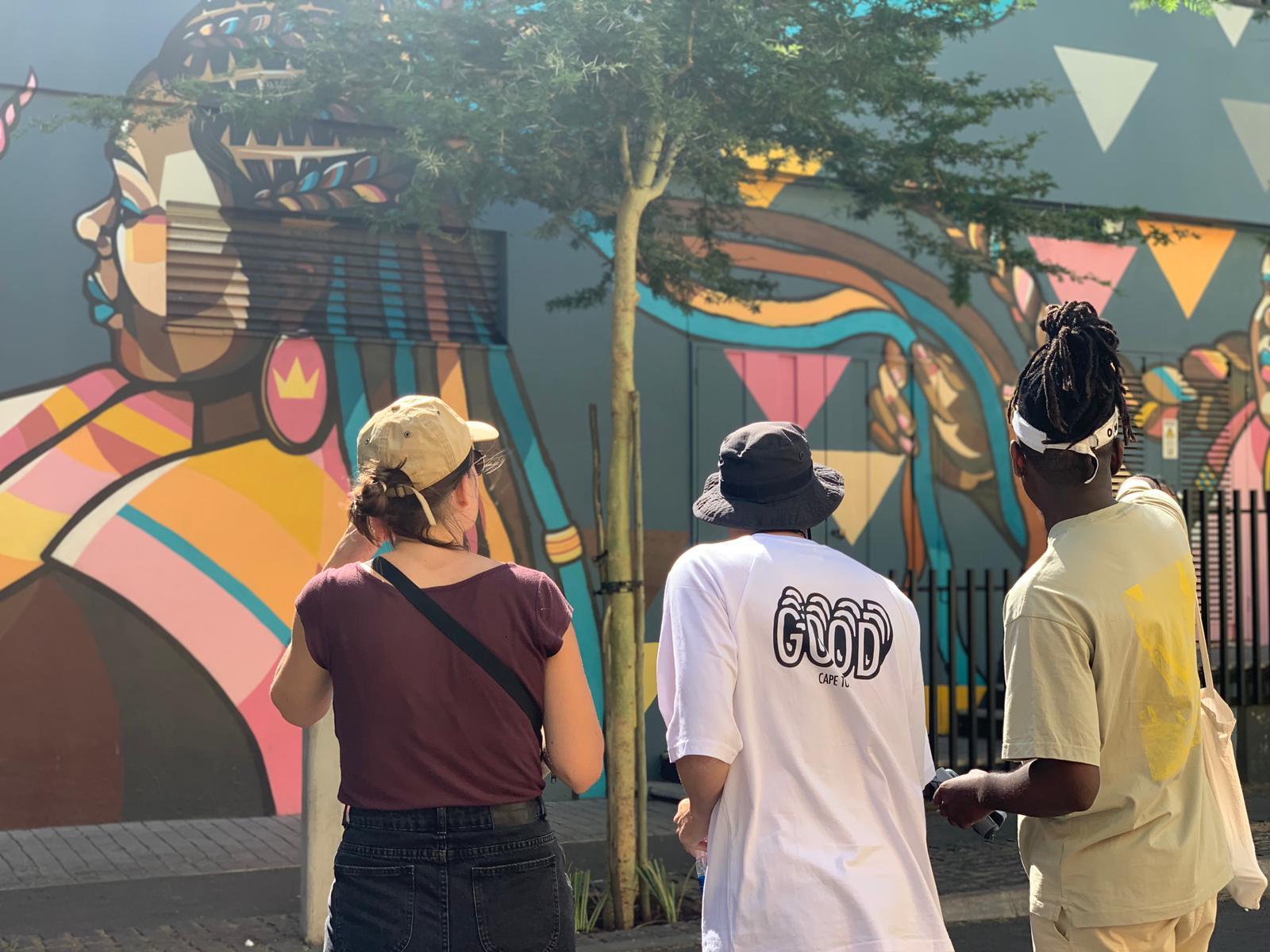
Explore Johannesburg's creative hub through street art, local markets, and authentic cuisine
3 hours
Free Cancellation
Explore the heart of Joburg on foot, from gold rush origins to Mandela's legacy and vibrant creative districts
4 hours
Free Cancellation
Explore one of South Africa's most iconic townships with an expert local guide over four hours
5 hours
Free Cancellation
Explore Mandela's legacy, apartheid history, and vibrant street food on this immersive city experience
8 hours
Free Cancellation
Discover South Africa's journey to democracy through iconic sites, museums, and townships on this full-day guided experience
3 hours
Free Cancellation
Discover Johannesburg's culinary scene through three unique dining stops with insider commentary
4 hours
Free Cancellation
Discover Johannesburg's creative neighborhoods, iconic landmarks, and nightlife scene on this guided evening adventure
5 hours
Free Cancellation
Five-hour after-dark adventure through Jo'burg's creative districts and Soweto's historic streets
Verify booking and meet the guide
Overview of local ingredients
Exploring architectural landmarks
Closing culinary experience
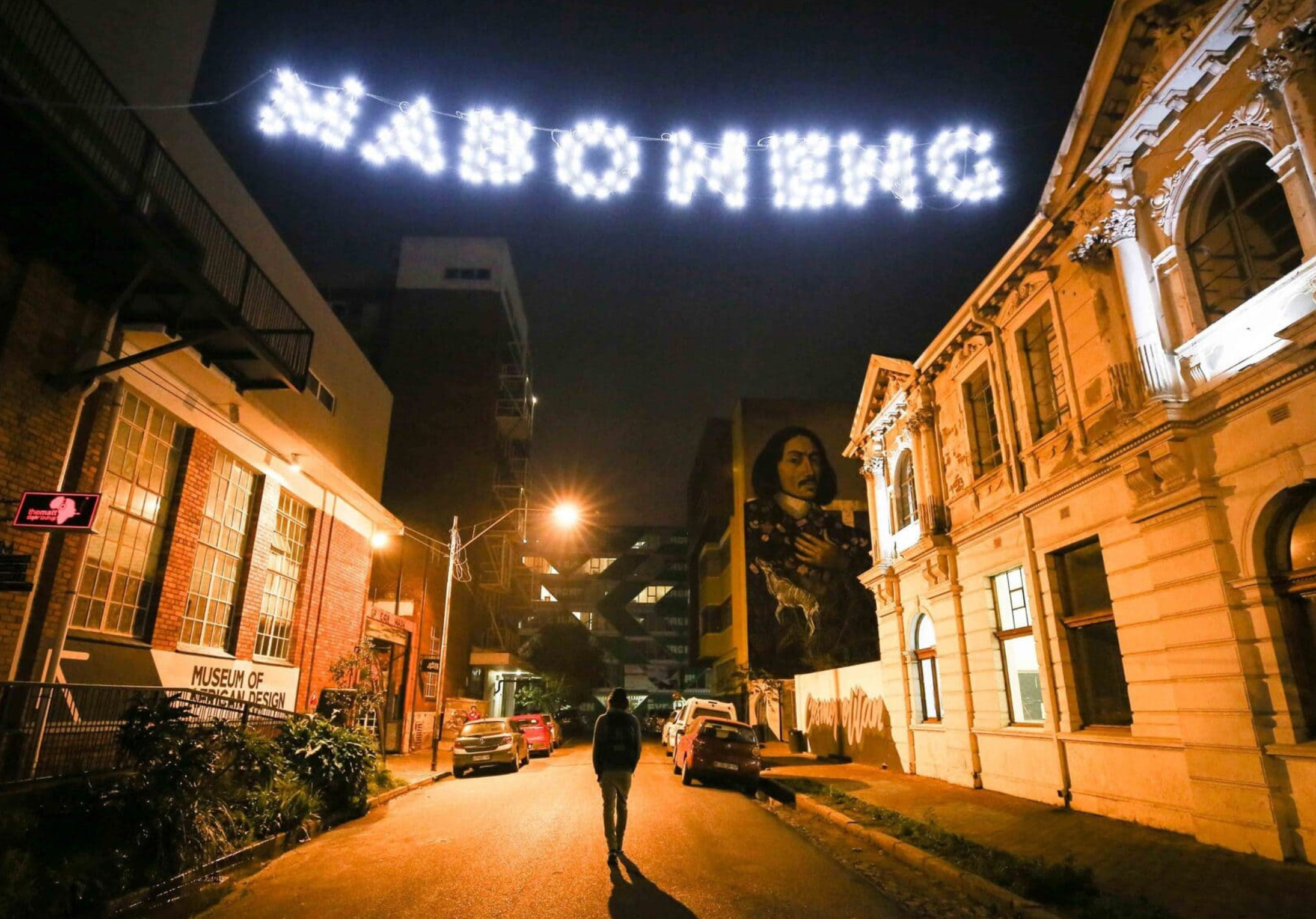
Dynamic district featuring street art, galleries, and diverse culinary stalls. It represents the urban renewal of Johannesburg with 100+ creative businesses.
Charming neighborhood known for its historic homes and vibrant food scene. This area has been a focal point for local dining for over 30 years.
The heart of the city, home to historic architecture and bustling food markets. The city center was established in 1886 following the discovery of gold.
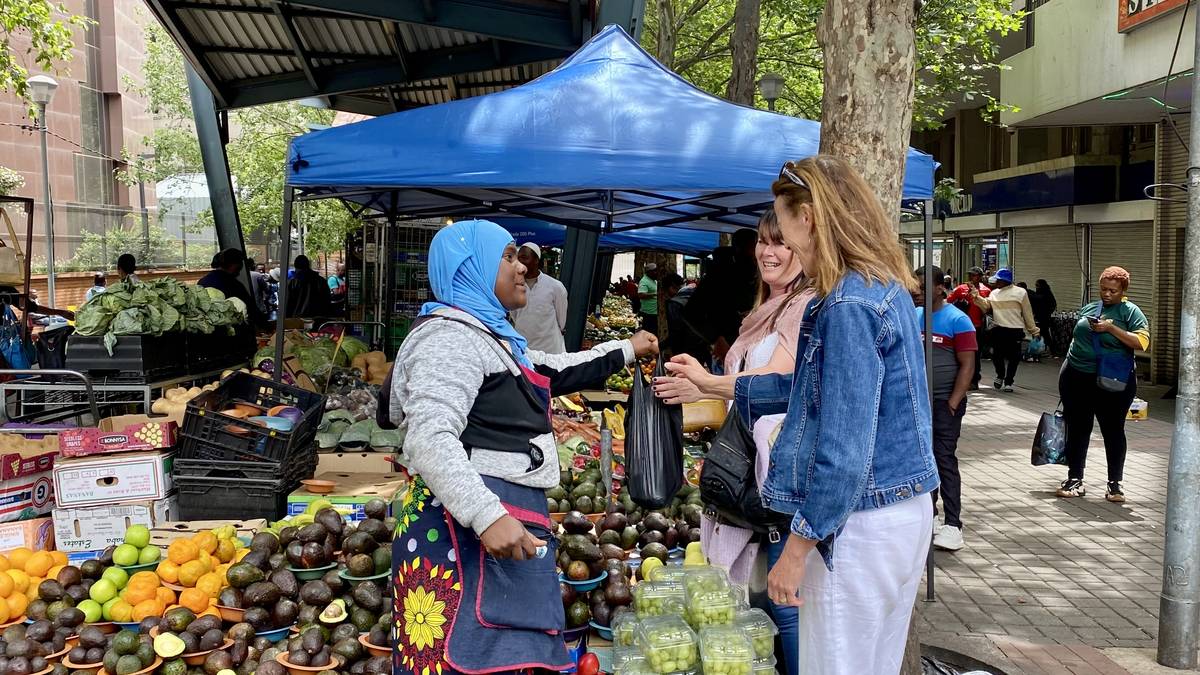
Concentrated spaces offering authentic South African flavors like bunny chow and biltong. These markets support local producers and small-scale culinary artisans.
Popular gathering spot for foodies showcasing diverse local and fusion cuisine. It is a cornerstone for those seeking a food walking tour johannesburg experience.
You meet your guide at 9:00 AM in Maboneng's Arts on Main precinct, where the morning light slants through industrial skylights onto vendors arranging wild rosemary and morogo greens.
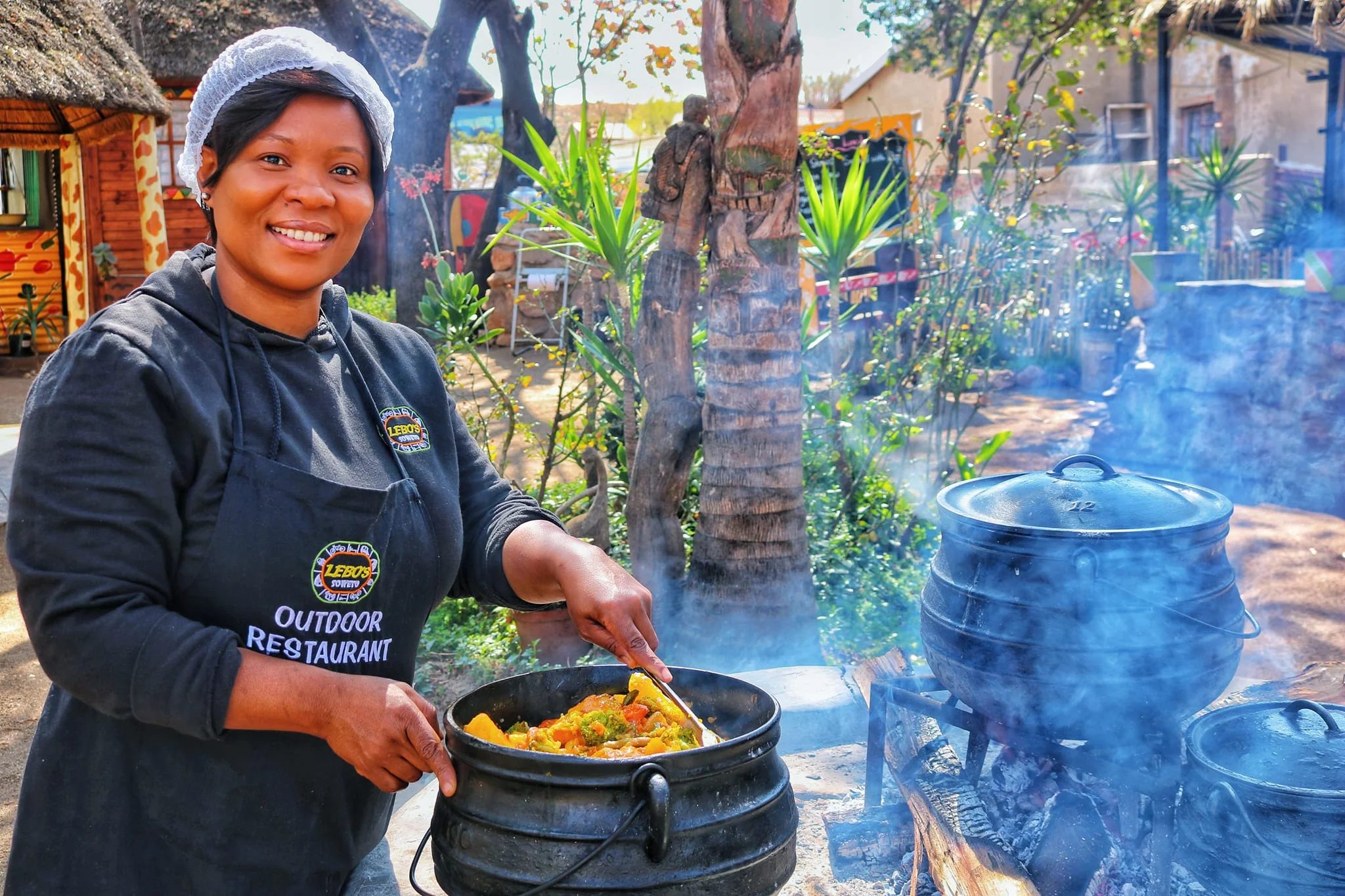
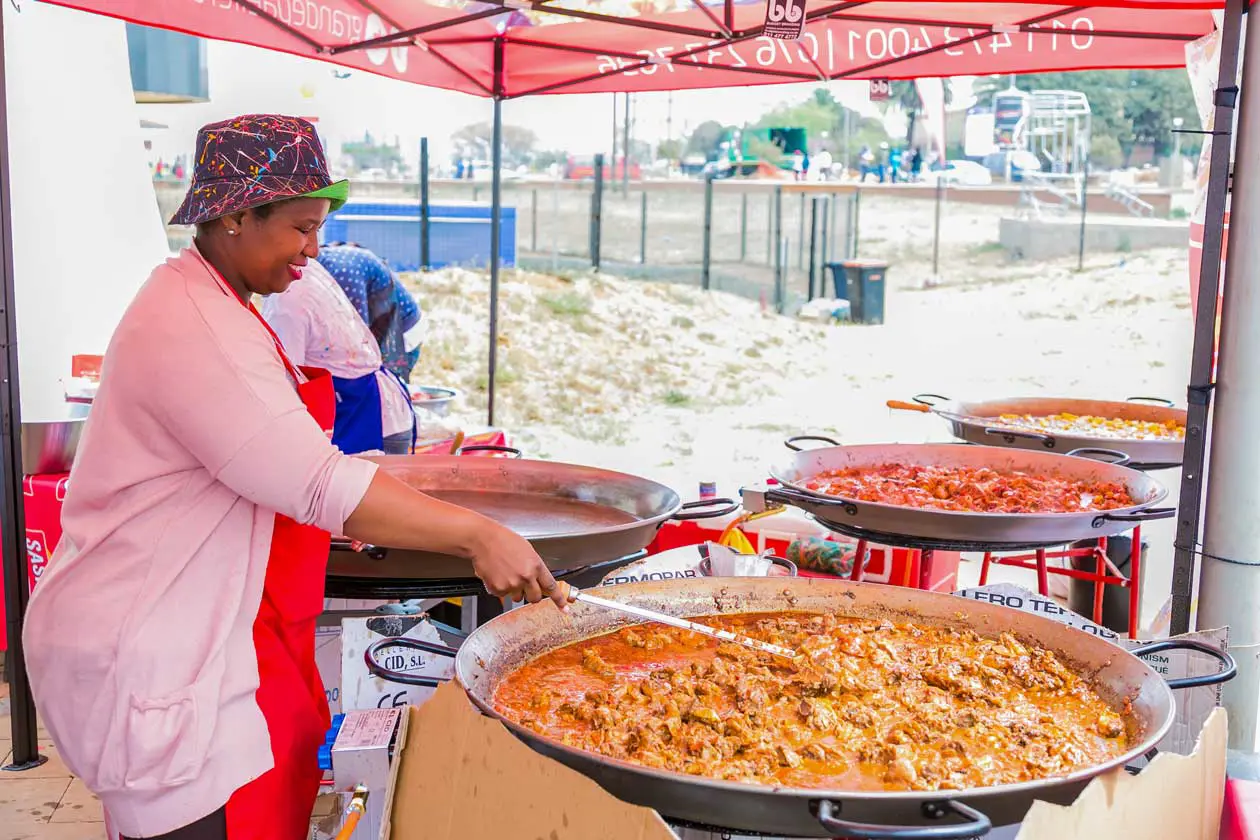
Your first stop is a third-generation spice merchant who grinds masala blends to order; you taste curry powder formulated for Durban-style bunny chow, its turmeric and fenugreek ratios calibrated over decades. From there, you walk fifteen minutes west to Newtown, pausing at a corner stall where a woman fries vetkoek in a cast-iron pot balanced on a propane burner. You eat one filled with curried mince, the dough still crackling.
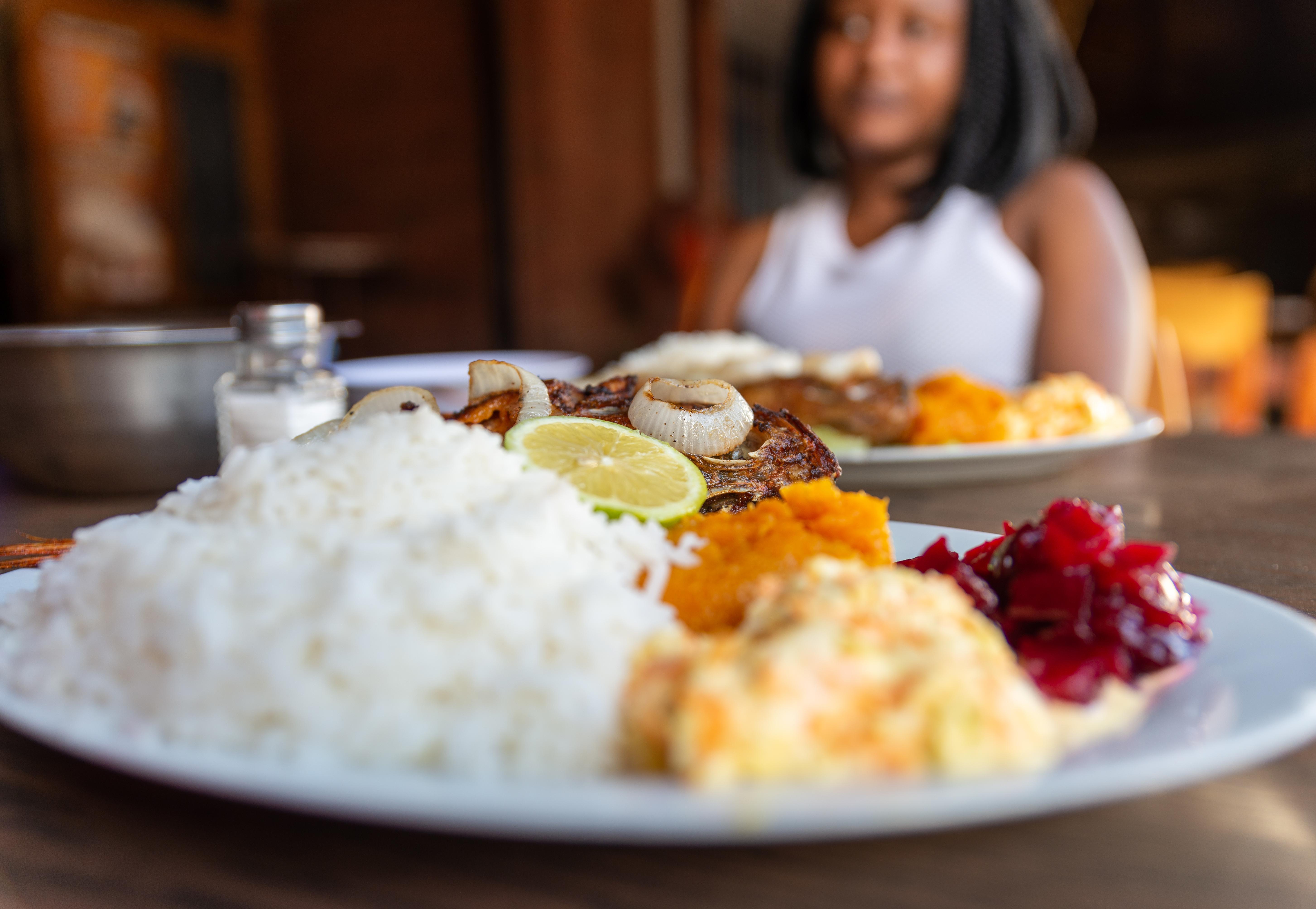
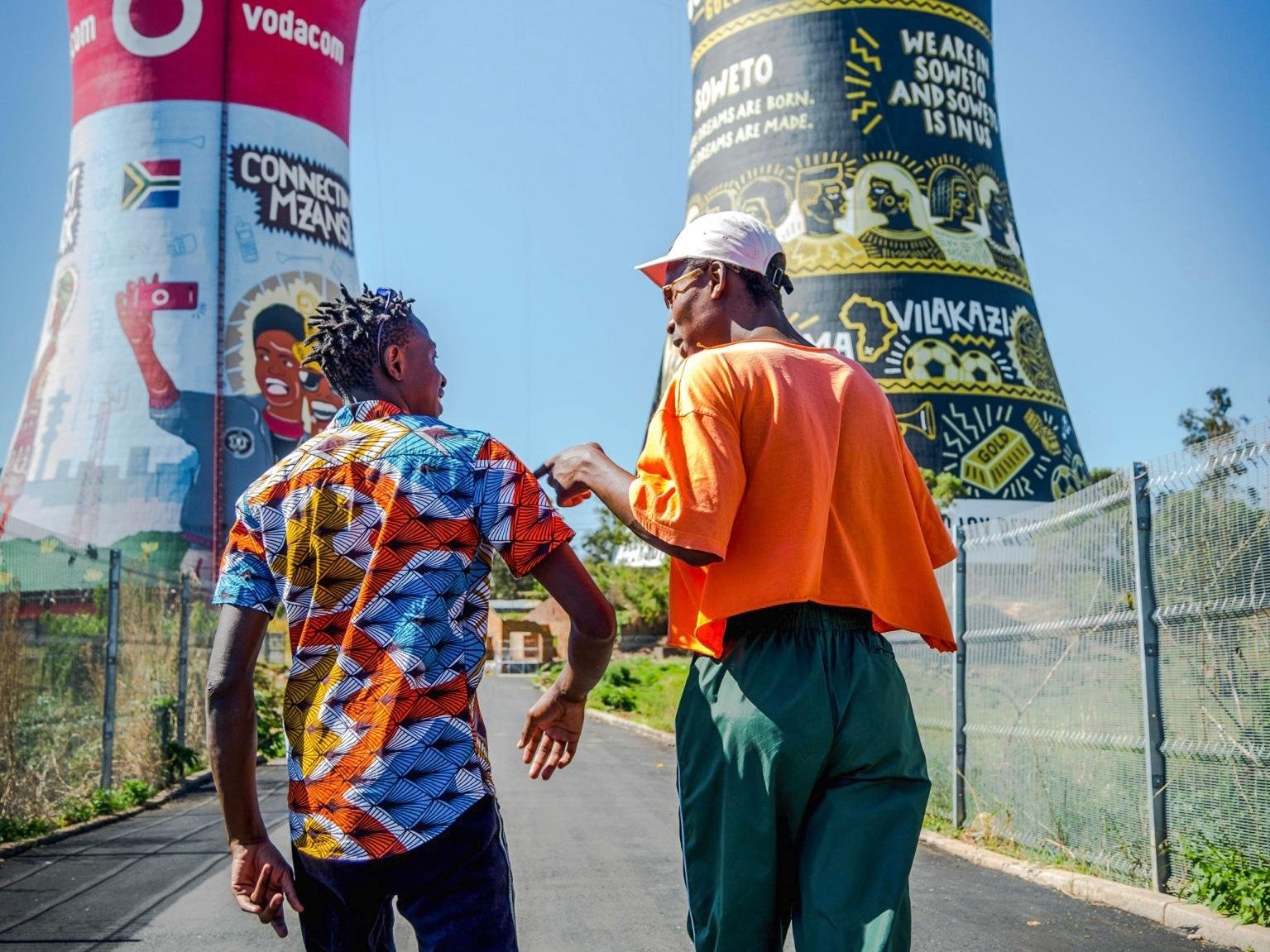
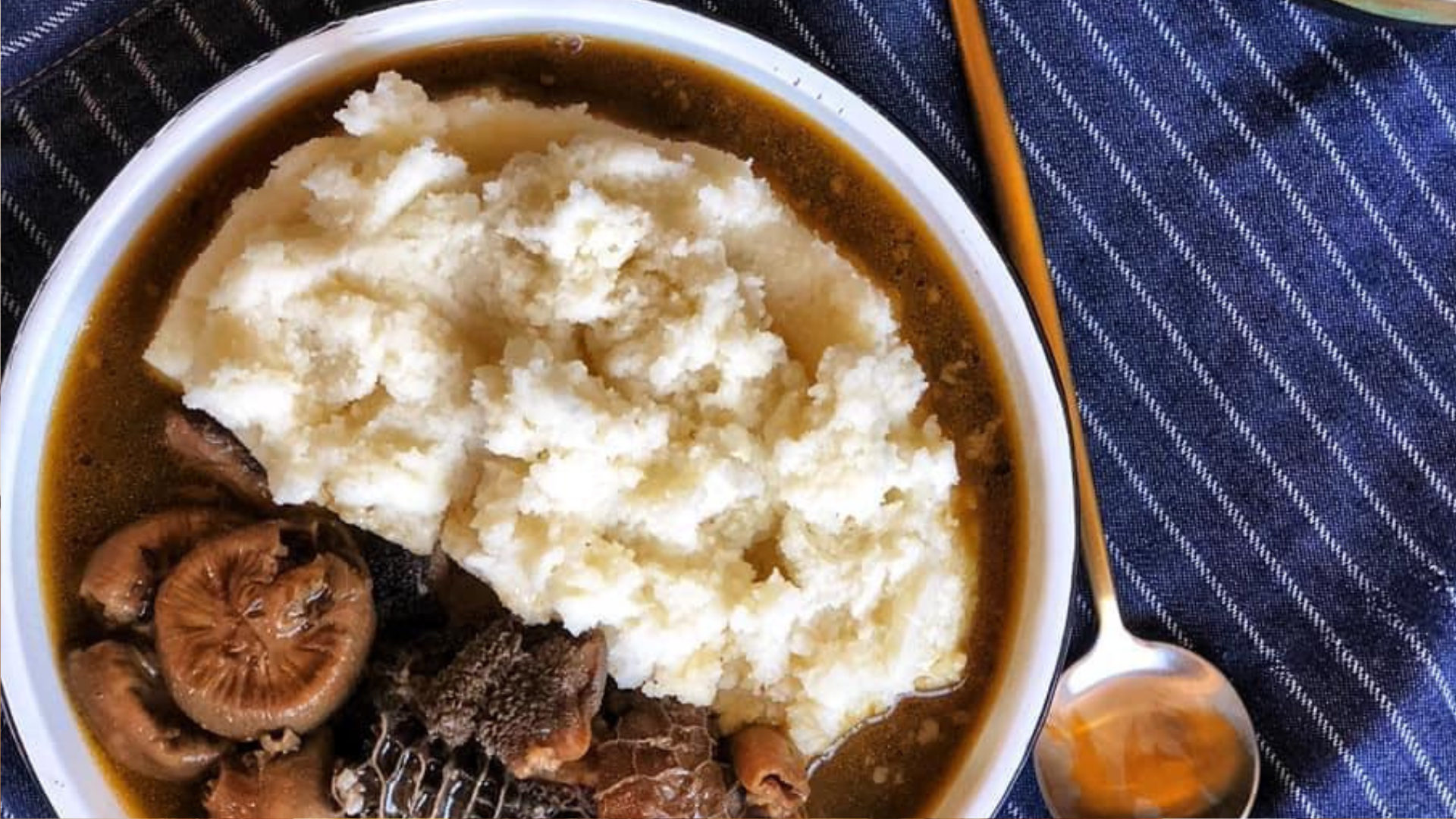
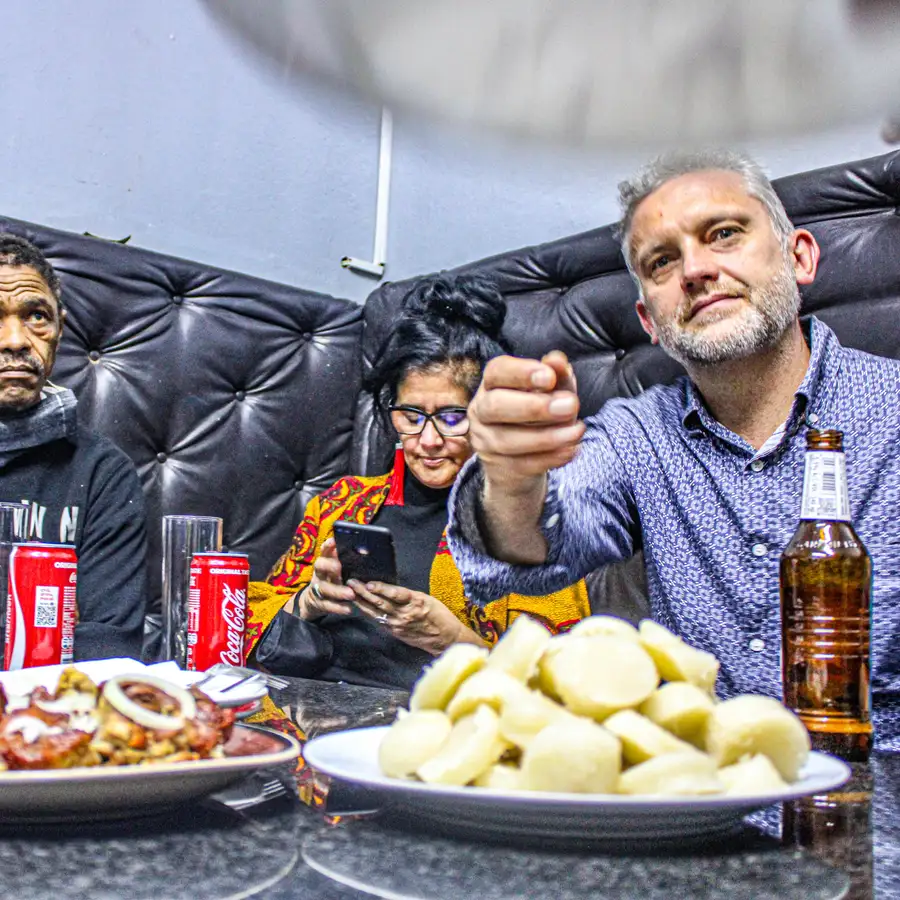
By mid-morning, you're in Soweto, standing outside a shebeen on Vilakazi Street. Inside, your guide orders mogodu—tripe stewed with onions and chili—and explains how this dish sustained miners working sixteen-hour shifts underground. You try it with pap, the maize porridge that appears at every meal here, its texture somewhere between polenta and mashed potatoes. The final stop is a family-run kitchen in Orlando West, where a grandmother demonstrates how to brew umqombothi, the sorghum beer served at weddings and funerals. You taste a sip from a communal calabash, sour and effervescent, and she tells you her mother taught her this recipe in 1964, the year Mandela went to prison.
All the details about your upcoming adventure in one place
Johannesburg's culinary identity was forged in the migrant labor compounds of the early twentieth century, where men from across southern Africa pooled ingredients and cooking techniques in communal kitchens.
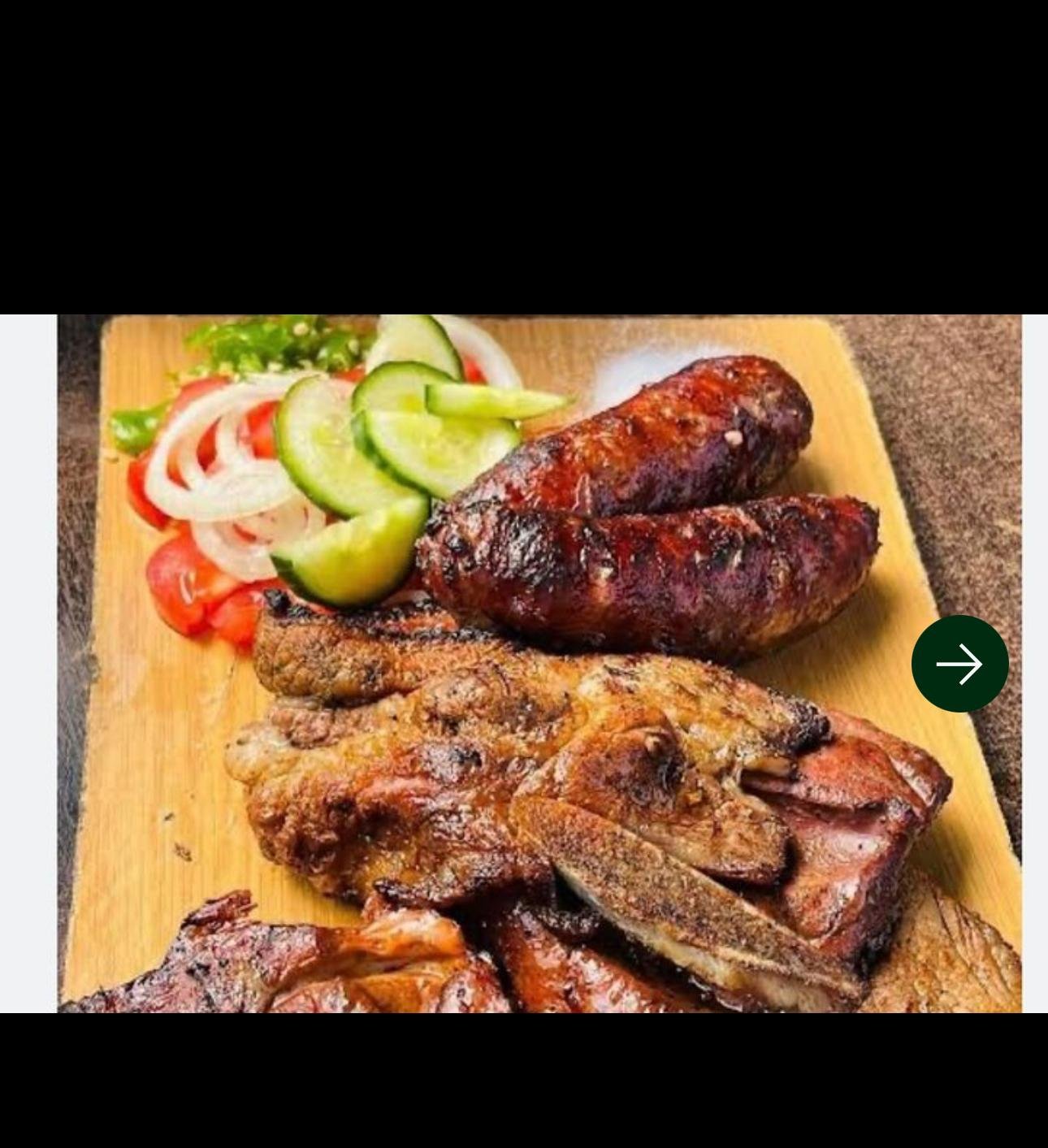
What emerged was not a single cuisine but a layered vernacular: Zulu beer bread baked in three-legged pots, Mozambican peri-peri marinades, Basotho stews thickened with samp, and Indian bunny chow repurposed from Durban's dockside canteens. By the 1950s, Sophiatown's shebeens had become informal culinary academies, and township women sold vetkoek and boerewors rolls from street corners, building micro-economies around food that apartheid's Group Areas Act could not erase.
Today, Johannesburg's food culture operates on parallel tracks. In Maboneng, adaptive reuse warehouses host vendors selling heritage grains and wild spinach sourced from rural cooperatives, while Melville's 7th Street remains a testing ground for pan-African fusion. Soweto's Vilakazi Street, once home to Nelson Mandela and Desmond Tutu, now anchors a culinary corridor where traditional healers' herb stalls stand beside restaurants serving oxtail prepared in cast-iron pots over open flame. The city's food walking tour Johannesburg offerings document this continuity, tracing ingredient journeys from Alexandra's spaza shops to Newtown's Market Theatre precinct, where the same maize varieties sold in the 1970s still anchor township diets.
The architecture of eating here is inseparable from political geography. Orlando West's matchbox houses, built in the 1940s to standardized plans, now hold multi-generational kitchens where grandmothers teach urban-born grandchildren to ferment mageu and roast mopane worms. In the Central Business District, the Mai Mai Market's corrugated-iron stalls have operated since 1906, their layout unchanged despite gentrification pressures. Culinary walking tours through these districts function as oral history projects, with guides—many of them second- or third-generation residents—narrating how recipes survived forced removals and economic collapse. A food walking tour Johannesburg experience is not entertainment but ethnography, each tasting stop a data point in the city's unfinished project of self-definition.

Each tasting stop is a data point in the city's unfinished project of self-definition.

Wear comfortable walking shoes and weather-appropriate clothing. Johannesburg temperatures can fluctuate significantly during the day.
Keep belongings minimal and secure at all times. Large backpacks are generally discouraged on a crowded food walking tour johannesburg experience.
Photography is encouraged in public spaces. Always ask permission before capturing images of local vendors or patrons during your city gastronomy tour.
These excursions are generally suitable for older children. Ensure the walking pace and content align with your family's needs before booking your food walking tour johannesburg tickets.
Some urban areas in the city center have uneven pavement. Contact your specific food walking tour johannesburg operator to confirm if your selected route is wheelchair accessible.
The tour includes multiple tastings at various establishments. Avoid consuming large meals immediately before your food walking tour johannesburg tour to ensure you can fully enjoy the local offerings.
Operating Hours
09:00–17:00
Address
Various locations including Maboneng, Melville, and Johannesburg CBD, South Africa
Accessibility
Varies by route; check specific food walking tour johannesburg booking details
Best Arrival
09:00–14:00
Storage
Not provided at meeting points
Navigation
Utilize local rideshare apps for travel between districts
Taxi · Varies · Moderate
Use verified ride-hailing apps for direct access to meeting points
Public transport · 45m · Low
Gautrain provides access to major hubs like Park Station
Full refunds are typically available for cancellations made 48 hours in advance. Please refer to individual operator terms for specific Johannesburg culinary excursion policies.
Recommended time
3-4 hours
A food walking tour johannesburg typically requires a half-day commitment to fully experience the city's culinary landscape. We recommend arriving between 09:00 and 14:00, as these daylight hours ensure optimal access to local markets and vibrant neighborhoods. Choosing these guided culinary walking tours allows you to navigate the Johannesburg CBD and surrounding areas safely while sampling diverse flavors with an expert guide. Visitors should account for additional time if planning to explore historical landmarks after their scheduled food walking tour johannesburg tours finish.
Crowd levels through the day
Weather · crowds · average price — dots go green to amber to red as each metric rises.
September offers mild temperatures and blooming jacaranda trees. Perfect for exploring outdoor markets during a food walking tour johannesburg excursion.
Expect warm days and afternoon thundershowers. Markets are highly active and vibrant during this peak season.
March to May brings cooler air and clear skies. Ideal for comfortable walking throughout the Johannesburg CBD.
June to August features crisp mornings and sunny days. Low rainfall makes these months reliable for scheduled food walking tour johannesburg tours.
Popular dates sell out quickly for these local gastronomy walks.
Carry water as walking routes can be extensive.
Ask permission before photographing residents or private property.
Only use registered taxi or ride-sharing services when moving between districts.
Johannesburg weather changes rapidly, so prepare for varied conditions.
Johannesburg's guided food walking tours emerged in the early 2010s as the city's creative precincts began attracting culinary entrepreneurs and heritage advocates. Maboneng, a former industrial quarter east of the CBD, became the launchpad when property developer Jonathan Liebmann initiated urban regeneration in 2009. By 2012, the district housed galleries, rooftop markets, and artisan eateries that drew both locals and visitors seeking alternatives to suburban mall culture. The first organized food walking tour johannesburg operators appeared around 2013, linking Maboneng's weekend food markets with storytelling about Johannesburg's gold-rush origins and migrant labor history. These tours positioned street food—bunny chow, boerewors rolls, vetkoek—as narrative anchors for explaining the city's layered social fabric. Melville, a bohemian neighborhood west of the city center, joined the circuit by 2015 when tour guides began incorporating its Portuguese bakeries, Ethiopian coffee ceremonies, and student-oriented cafés. The format evolved from simple tastings into hybrid experiences combining culinary stops with visits to sites like the Newtown Cultural Precinct and the Market Theatre, institutions central to anti-apartheid activism in the 1980s. Tour operators faced logistical challenges: security concerns in the CBD required careful route planning, and seasonal weather—Johannesburg's summer thunderstorms and winter chill—compressed viable operating windows. The COVID-19 lockdowns of 2020 forced suspension of all group tours, but by mid-2021 small-group food walking tour johannesburg tours resumed with revised health protocols. Today's tours operate daily from 09:00 to 17:00, departing from multiple neighborhoods including the revitalized Johannesburg CBD. Guides emphasize the contributions of Indian, Portuguese, Mozambican, and Zimbabwean communities to the city's food landscape. The tours carry no fixed entrance fee—pricing varies by operator and itinerary—but all aim to make Johannesburg's culinary diversity accessible on foot.
Jonathan Liebmann's Propertuity begins transforming Maboneng from derelict warehouses into a mixed-use arts precinct.
Maboneng's Sunday food markets attract the first informal food-focused walking groups linking vendors with urban storytelling.
Commercial culinary tour operators launch scheduled food walking tours in Maboneng and parts of the CBD.
Melville's Portuguese and Ethiopian eateries join tour circuits, expanding the geographic and cultural scope.
COVID-19 lockdowns suspend all group walking tours; operators pivot to virtual experiences and recipe deliveries.
Small-group culinary tours resume with health protocols, emphasizing outdoor stops and reduced group sizes.
Tours incorporate CBD regeneration narratives, highlighting new food halls and the return of pedestrian activity to central Johannesburg.
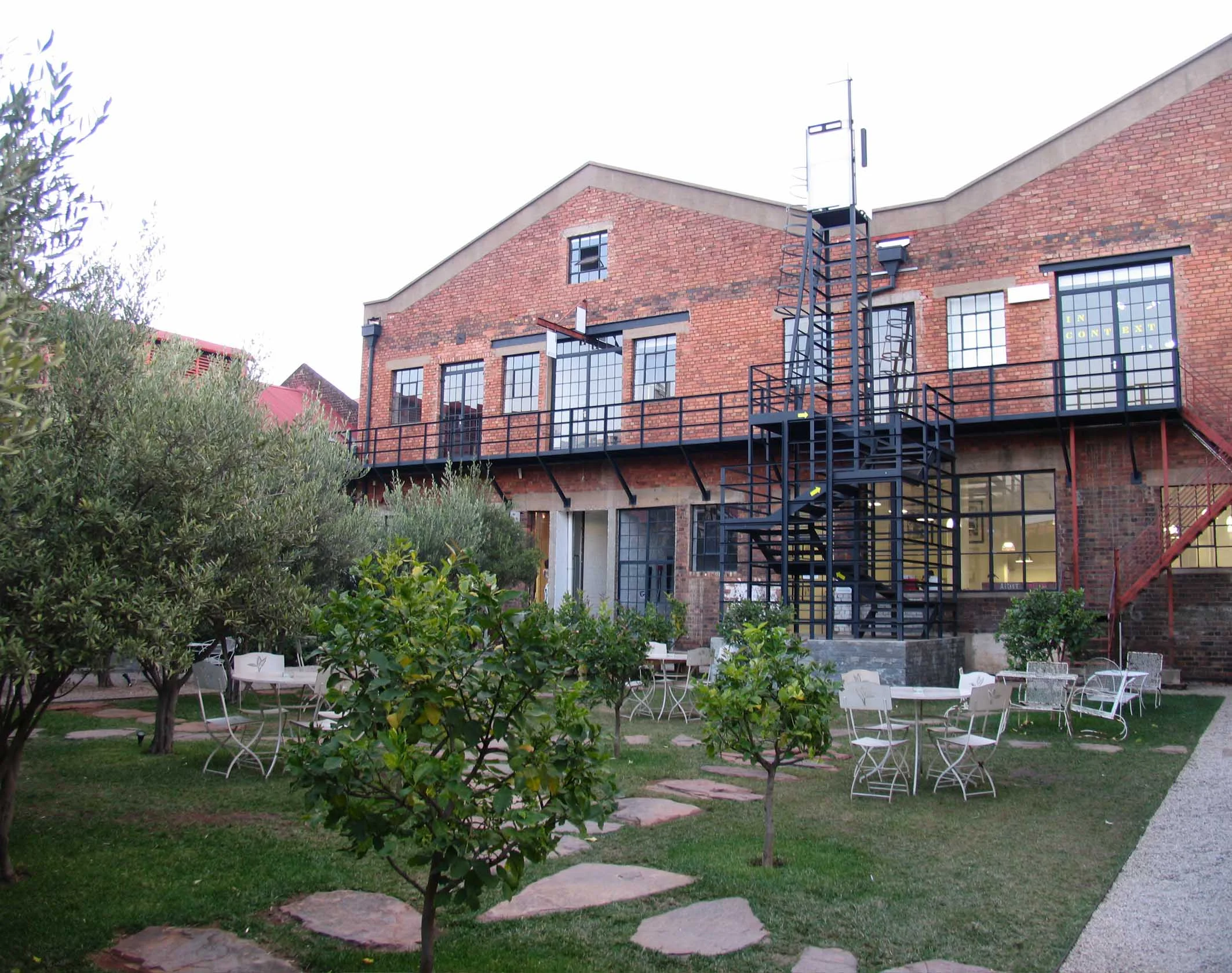
Stand in the central brick-paved area to capture the industrial warehouse aesthetic mixed with vibrant greenery. This location is a hallmark of a food walking tour johannesburg experience.
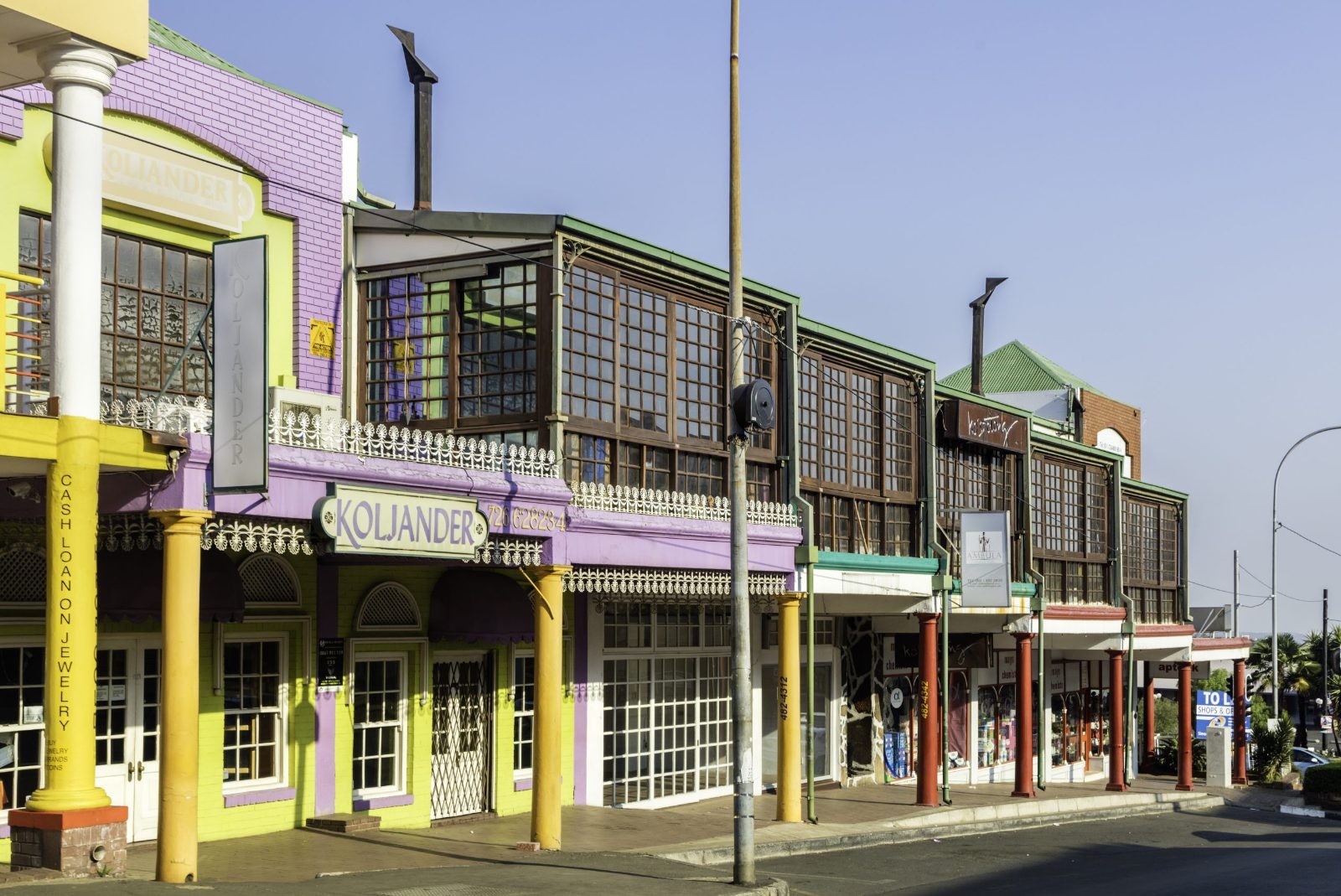
Position yourself on the sidewalk to frame the eclectic storefronts and pavement cafes that define this neighborhood. The perspective highlights the local architectural character.
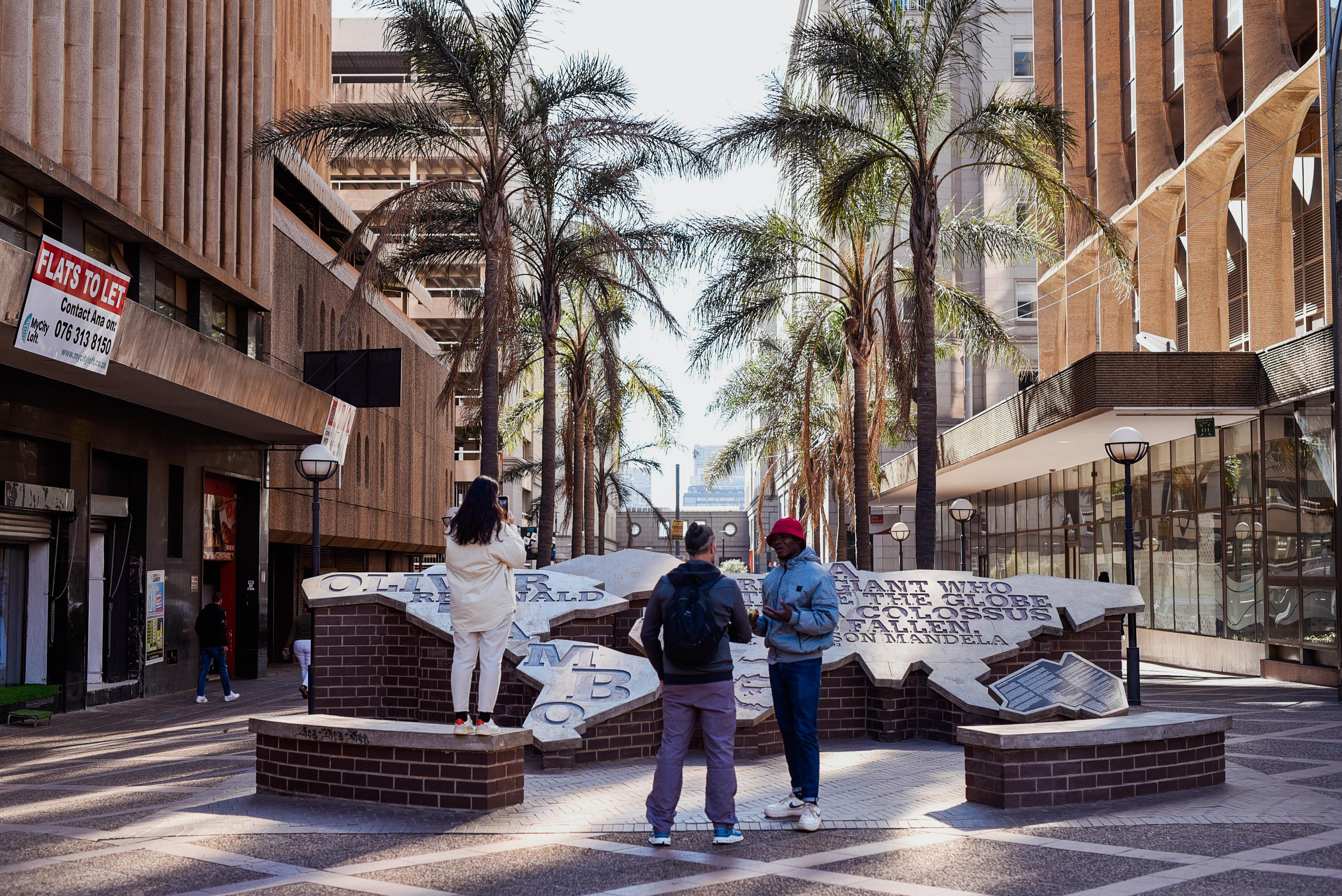
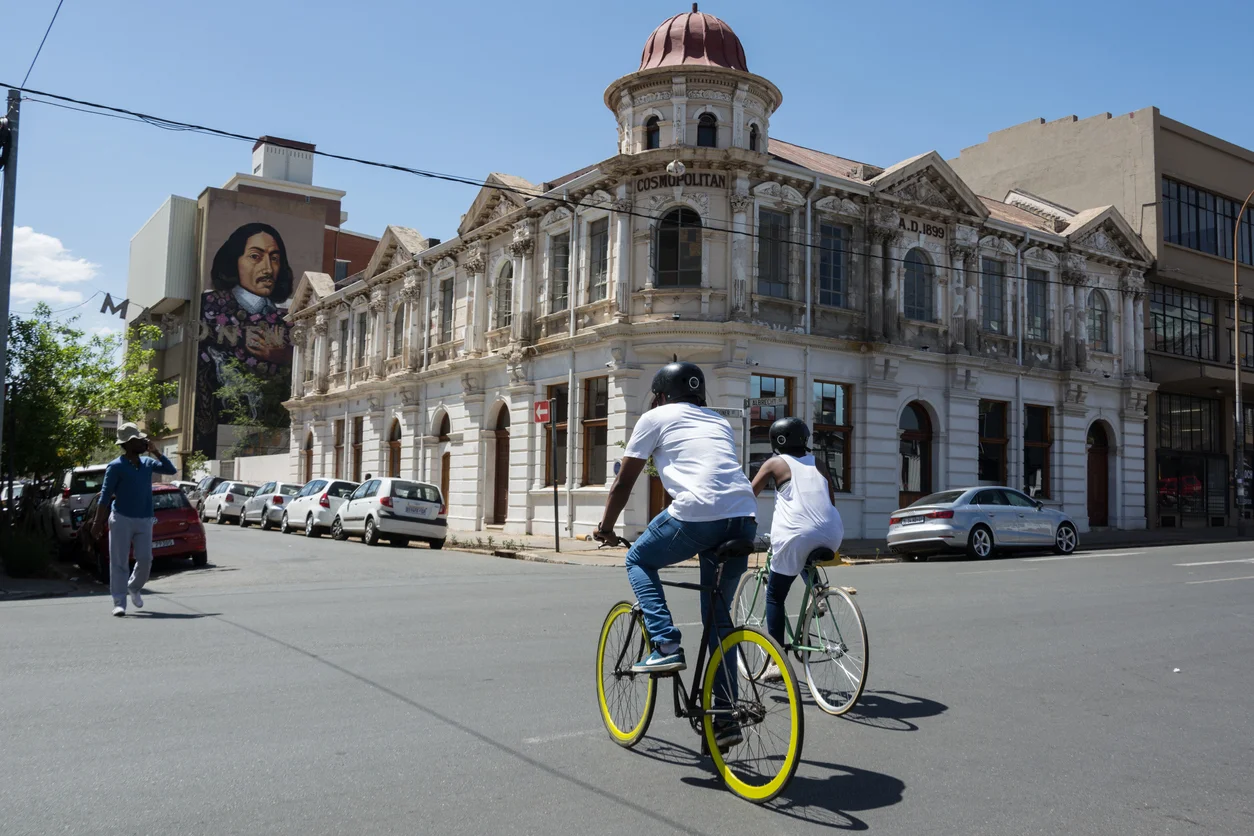
Shoot along the pedestrian-friendly corridor featuring historical mining equipment and public art installations. This provides a clear view of the city heritage.
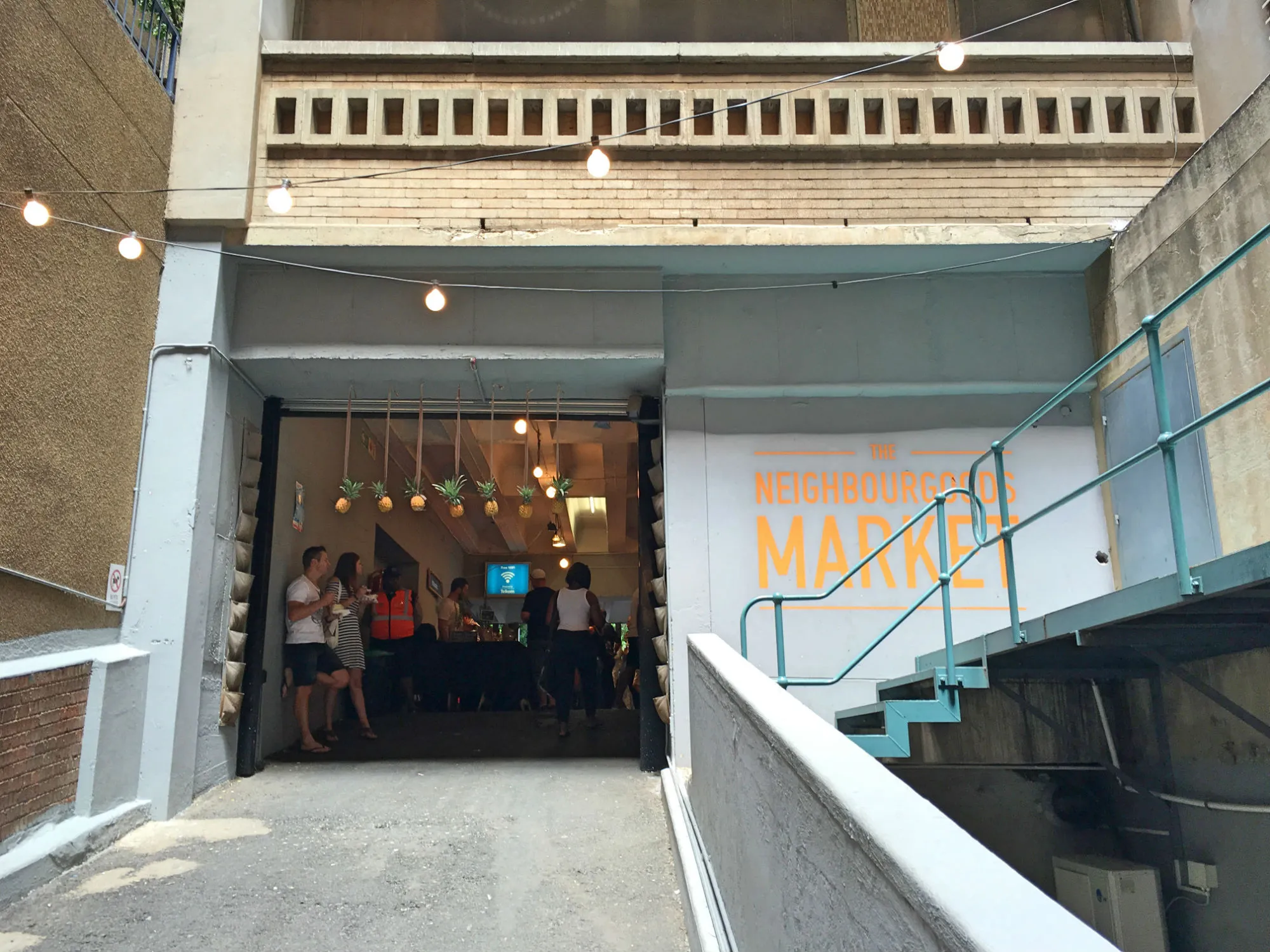
Capture the raw, urban texture of the building exterior which serves as a frequent backdrop for culinary explorers. Standing across the street offers the best angle.
Exploring the city through a food walking tour johannesburg offers families a chance to taste local flavors while navigating vibrant urban neighborhoods. These guided culinary walks provide an engaging way for children to discover history and gastronomy through shared meals.
Many areas like Maboneng and Melville have uneven sidewalks, so a lightweight carrier is often more practical for this food walking tour johannesburg tour than a pram.
School-aged children typically enjoy these walks most, as they can appreciate the diverse culinary tastings and city landmarks featured in these food walking tour johannesburg tours.
Public baby-change facilities are limited throughout the city center, so plan to use amenities located within the partner cafes or markets along the route.
Groups often cover significant ground, so aim for the best arrival window of 09:00–14:00 to ensure plenty of energy for exploration before the tour ends.
Most vendors provide authentic snacks that are generally kid-friendly, though you should confirm specific dietary requirements before purchasing food walking tour johannesburg tickets.
Exploring the city through a food walking tour johannesburg provides direct access to diverse culinary hotspots across Maboneng, Melville, and the CBD. These vibrant neighborhoods offer everything from artisanal coffee to traditional African cuisine, perfect for refueling after your Johannesburg gastronomic tour.
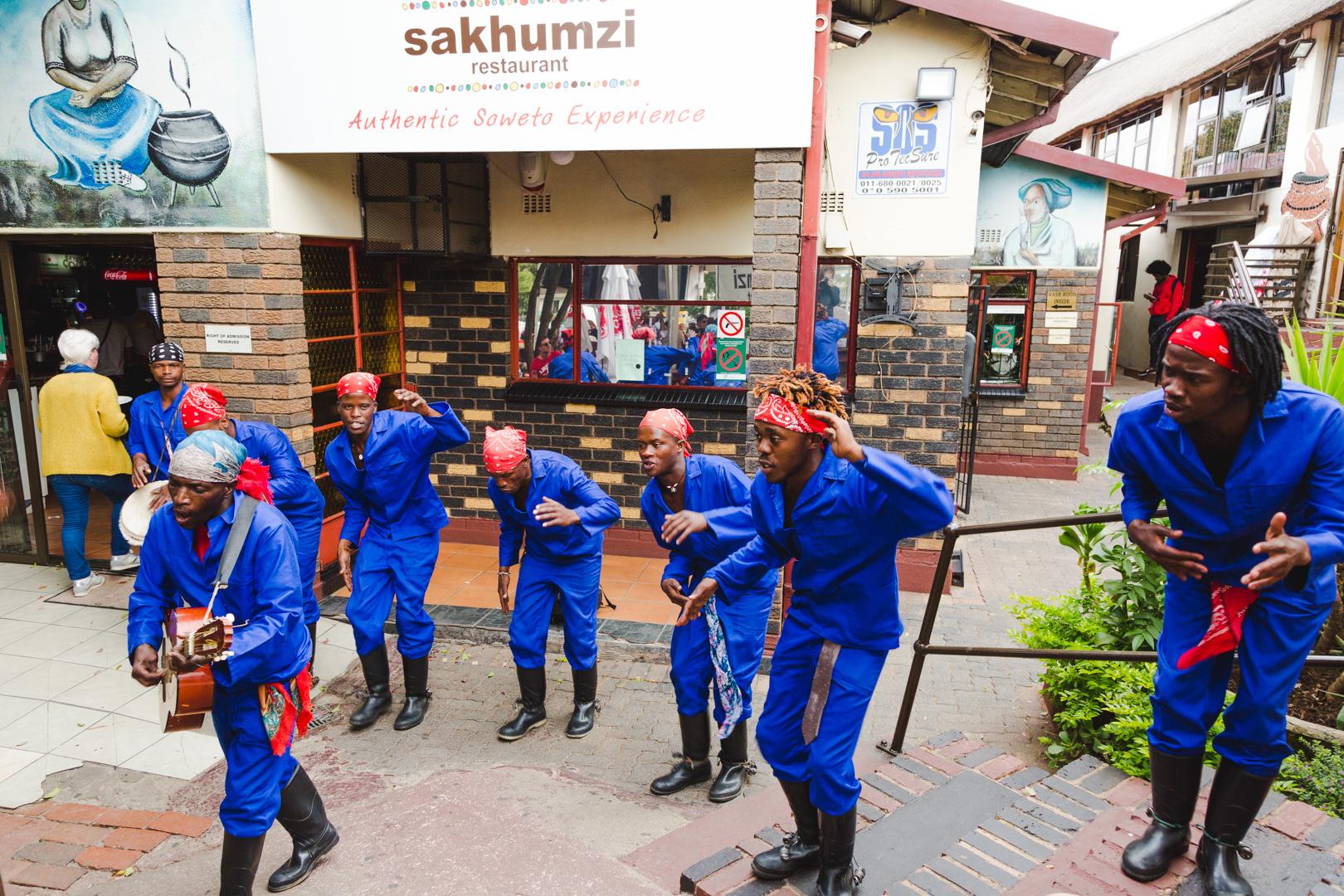
Located in the heart of Maboneng, this venue offers live music and authentic flavors like oxtail and chakalaka. It serves as a popular endpoint for many food walking tour johannesburg tours.
Everything you need to know for your journey
Operators typically run between 09:00–17:00 daily. It is recommended to check the specific tour schedule before your visit.
Yes, advance booking is essential to secure your spot for a food walking tour johannesburg experience.
Most tours are designed for adults, though some family-friendly options may exist. Always confirm age suitability when purchasing your food walking tour johannesburg tickets.
Simply book online to receive a meeting point address and arrival time. Arrive during the optimal 09:00–14:00 window for the best market activity.
Carry sun protection, comfortable footwear, and a small bag for personal items. Please do not bring large luggage on your food walking tour johannesburg tour.
Yes, you may take photos of landmarks and food. Please be respectful of local vendors by asking permission first.
Many operators can accommodate allergies if notified in advance. Inform them during the booking process for your food walking tour johannesburg tour.
Full refunds are generally offered for cancellations made 48 hours prior. Review your specific ticket details for exact terms.
No, tips are not included in the entrance or tour fee. It is customary to tip your guide based on the quality of your food walking tour johannesburg experience.
No, pets are not allowed. Please make alternate arrangements for your companions.
Former prison complex turned museum showcasing South African legal history.
Historically significant skyscraper offering vast city views.
Site of Mandela and Tambo law practice, significant to liberation history.
Premier performance space hosting diverse artistic productions.
Trendy area with unique lofts and art-focused hotels.
Known for bohemian atmosphere and guest house options.
Central location with proximity to major business district landmarks.
Join thousands of happy travelers who have discovered this incredible experience
Book Your Experience Now