Johannesburg Food Tour Logo
English| EUR
Suggested for you
More currencies
Book Now
Open today · 00:00–23:59

Johannesburg Food Tour

Johannesburg Food Tour — Guided Culinary Walks & Street Food Experiences

Township kitchens, market stalls, heritage recipes, authentic flavors in every neighborhood

4.9 /5 · 2,400 reviews
25K+ travelers chose this
Free Cancellation
Right now: Moderate Optimal for exploring local markets.
3-4 hours
1 Languages
Up to 12 guests
Free Cancellation
Instant confirmation Mobile voucher Free cancellation Verified partner Small group sizes
Choose your ticket

Johannesburg Food tickets at a glance

Compare fares, pick the fit — all bookings are mobile-voucher and eligible for free cancellation where shown.

Soweto Walking Experience with Local Guide and Meal 4 hr
Standard Entry

Soweto Walking Experience with Local Guide and Meal

4.9 (803)
€37
  • Entry ticket
  • Mobile voucher
  • Valid same day
  • Free cancellation
Book this ticket
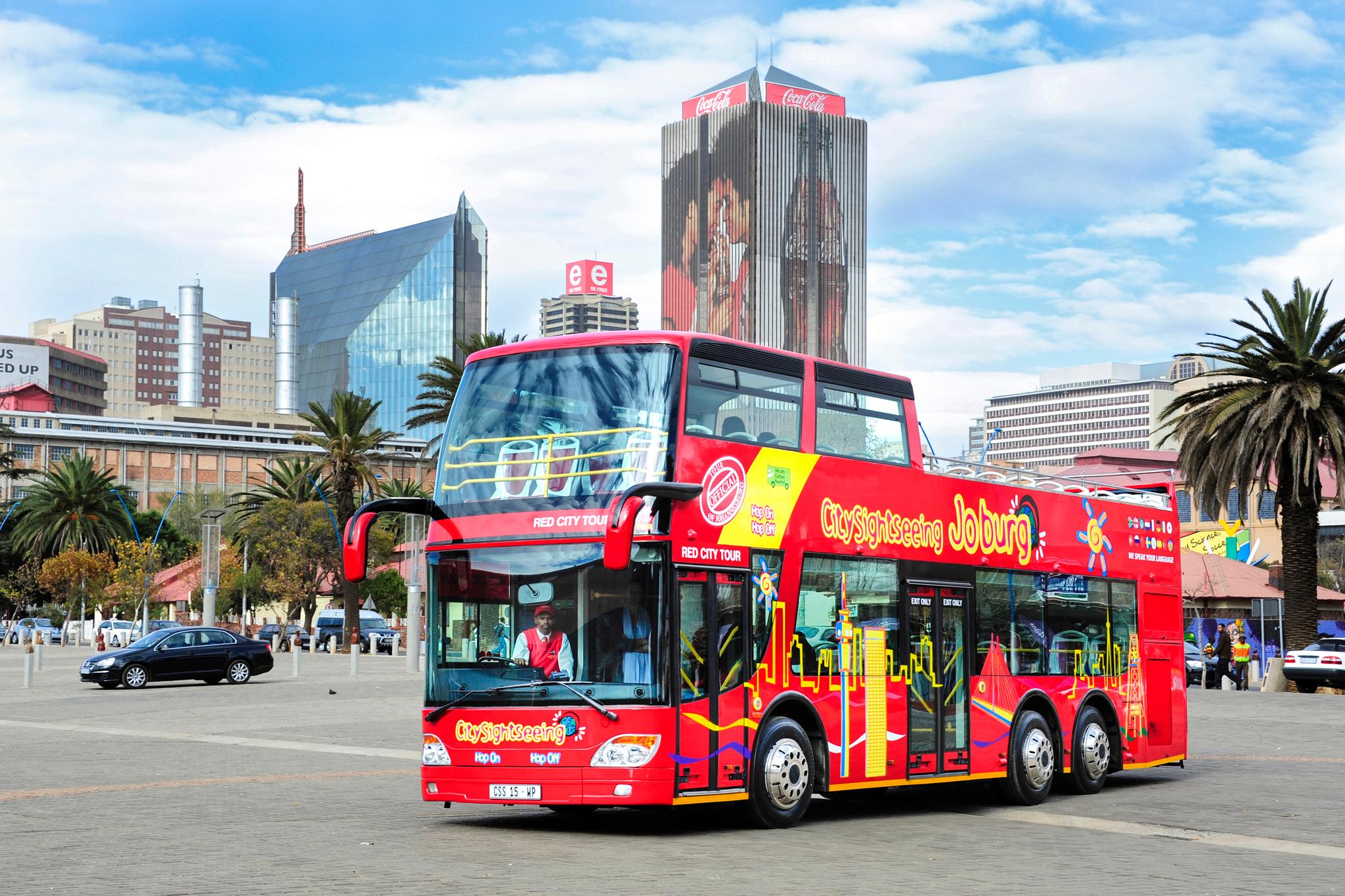
Johannesburg Open-Top Bus Tour with Optional Soweto Extension 3 hr
Standard Entry

Johannesburg Open-Top Bus Tour with Optional Soweto Extension

4.7 (1149)
€15
  • Entry ticket
  • Mobile voucher
  • Valid same day
  • Free cancellation
Book this ticket
Compare options

Compare Johannesburg Food ticket options

Experience DurationRatingTransfersPickupGuideFree cancel. Price
Standard Entry
Most popular
Johannesburg Culinary Walking Experience
3 hr★ 4.7 €56 Book →
Standard Entry
Soweto Walking Experience with Local Guide and Meal
4 hr★ 4.9 €37 Book →
Standard Entry
Johannesburg Open-Top Bus Tour with Optional Soweto Extension
3 hr★ 4.7 €15 Book →
Head to head

Johannesburg Food Tour vs. Culinary Bus Tours: Choosing Your Experience

They complement each other; most visitors who do both find the walking approach better for cultural depth, while the bus option is superior for covering diverse city districts. Engaging in a johannesburg food tour provides intimate access to urban street vendors, whereas bus-based outings prioritize efficiency.

Top pick
Walking Tours
Culinary Bus Tours
Pace and Intensity Leisurely seated travel
Neighborhood Immersion View-focused perspective
Transportation Method Air-conditioned vehicle
Flexibility of Stops Fixed itinerary route
Interaction with Locals Limited to transit stops
Johannesburg Food Tour Tours Structured group travel

Verdict: Opt for a johannesburg food tour tour if you prefer authentic street-level encounters, but select the bus experience if you require johannesburg food tour tickets for a broader overview of the metropolitan dining scene.

Featured Experiences

Popular Johannesburg Food tours & activities

Hand-picked experiences loved by thousands of travelers

Recommended Experience

Powered by GetYourGuide

Another traveler favorite

Powered by GetYourGuide
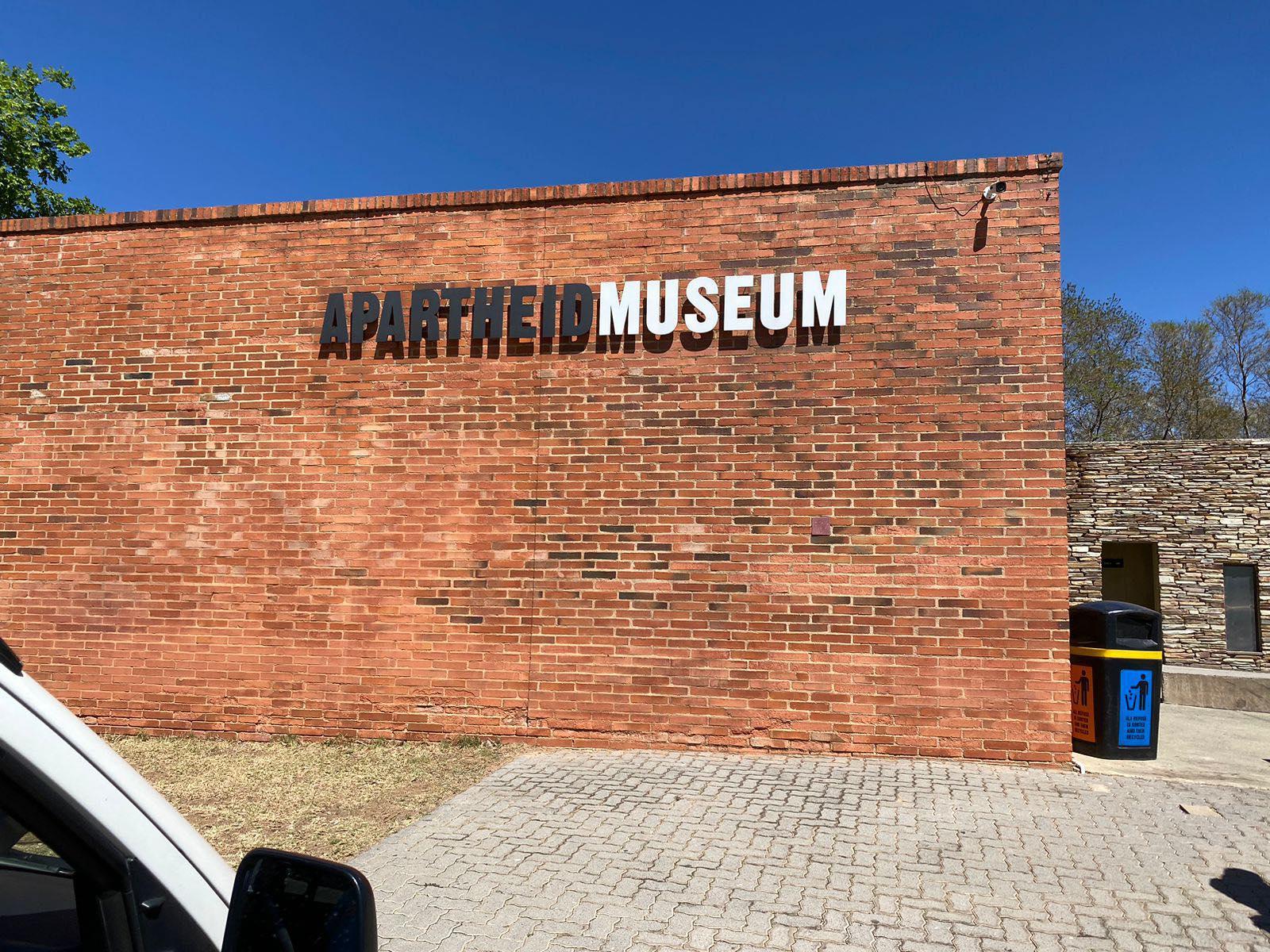
Johannesburg City & Soweto Full-Day Tour with Apartheid Museum 10 hours Free Cancellation

Johannesburg City & Soweto Full-Day Tour with Apartheid Museum

Explore Jo'burg's history from Constitution Hill to Soweto's iconic sites on this comprehensive guided excursion

4.8 (610)
FromFrom €91.33
See details
Half-Day Soweto Township Tour with Local Guide 4 hours Free Cancellation

Half-Day Soweto Township Tour with Local Guide

Discover the heart of Soweto's history and culture on a 4-hour guided journey through South Africa's iconic township

4.8 (178)
FromFrom €64.09
See details
Johannesburg Heritage & Culinary Discovery 5 hours Free Cancellation

Johannesburg Heritage & Culinary Discovery

Explore Mandela's legacy, apartheid history, and authentic local flavors on this immersive city journey

FromFrom $105.49
See details
Melville Street Food Walking Tour 4 hours Free Cancellation

Melville Street Food Walking Tour

Taste your way through Johannesburg's most eclectic neighborhood on a culinary walking adventure

FromFrom $74.46
See details
Johannesburg City Centre Walking Tour 3 hours Free Cancellation

Johannesburg City Centre Walking Tour

Explore the heart of Johannesburg on foot, from gold rush origins to vibrant cultural districts

4.8 (169)
FromFrom $40.33
See details
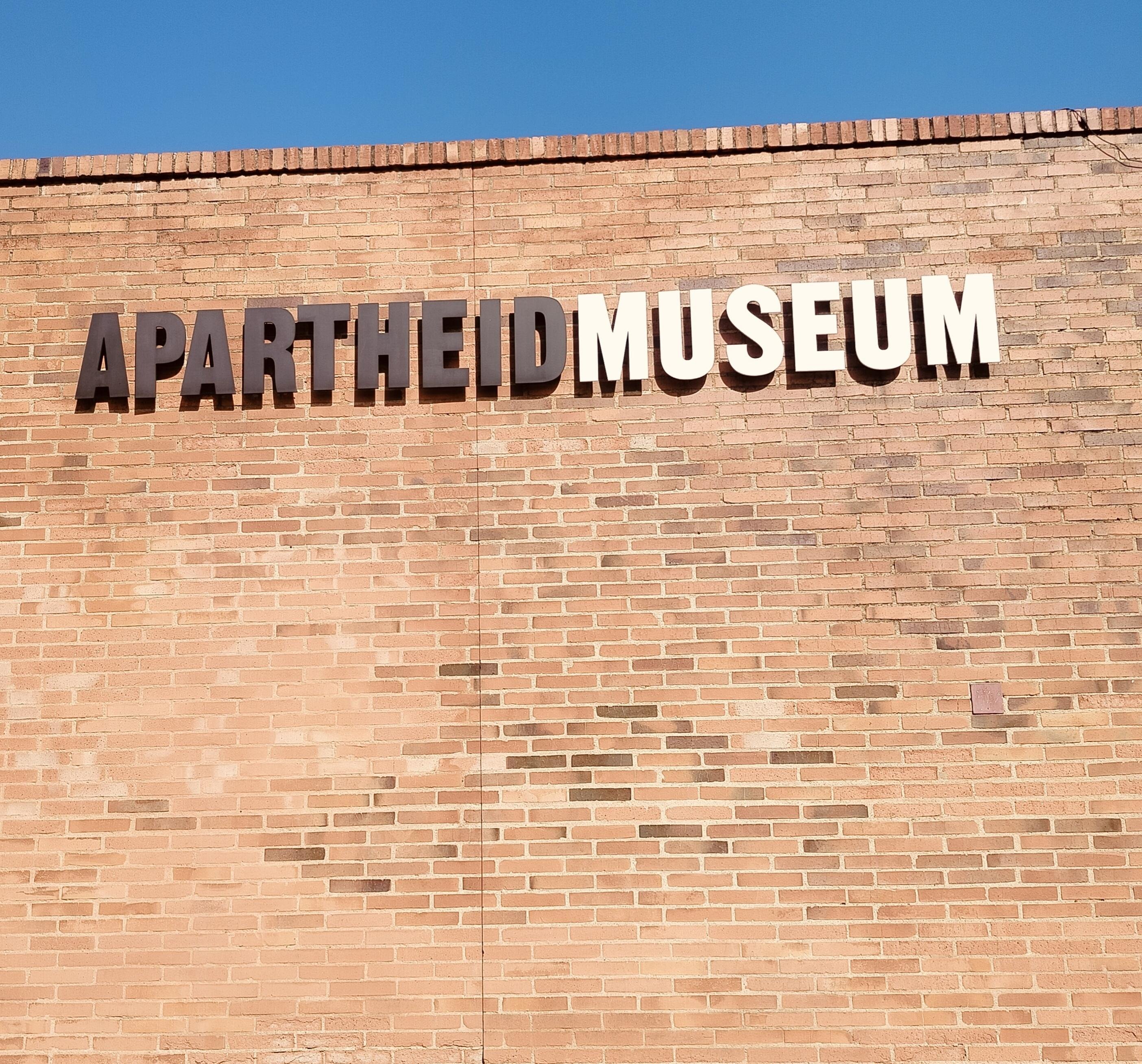
Apartheid Museum and Soweto Township Guided Experience 4.5 hours Free Cancellation

Apartheid Museum and Soweto Township Guided Experience

Journey through South Africa's transformative history with museum visits and township exploration

5 (12)
FromFrom $91.83
See details
Johannesburg Restaurant Hopping Tour with Local Guides 3 hours Free Cancellation

Johannesburg Restaurant Hopping Tour with Local Guides

Explore Jo'burg's culinary diversity across three distinct venues with insider perspectives and tasting portions

5 (1)
FromFrom €93.47
See details
Evening Cultural Tour with Dinner & Nightlife 4 hours Free Cancellation

Evening Cultural Tour with Dinner & Nightlife

Discover Johannesburg after dark through its artistic neighborhoods, local cuisine, and dynamic evening scene

4.6 (3)
FromFrom €175.09
See details
What you'll see

What you'll see at Johannesburg Food

Yeoville Market

Yeoville Market

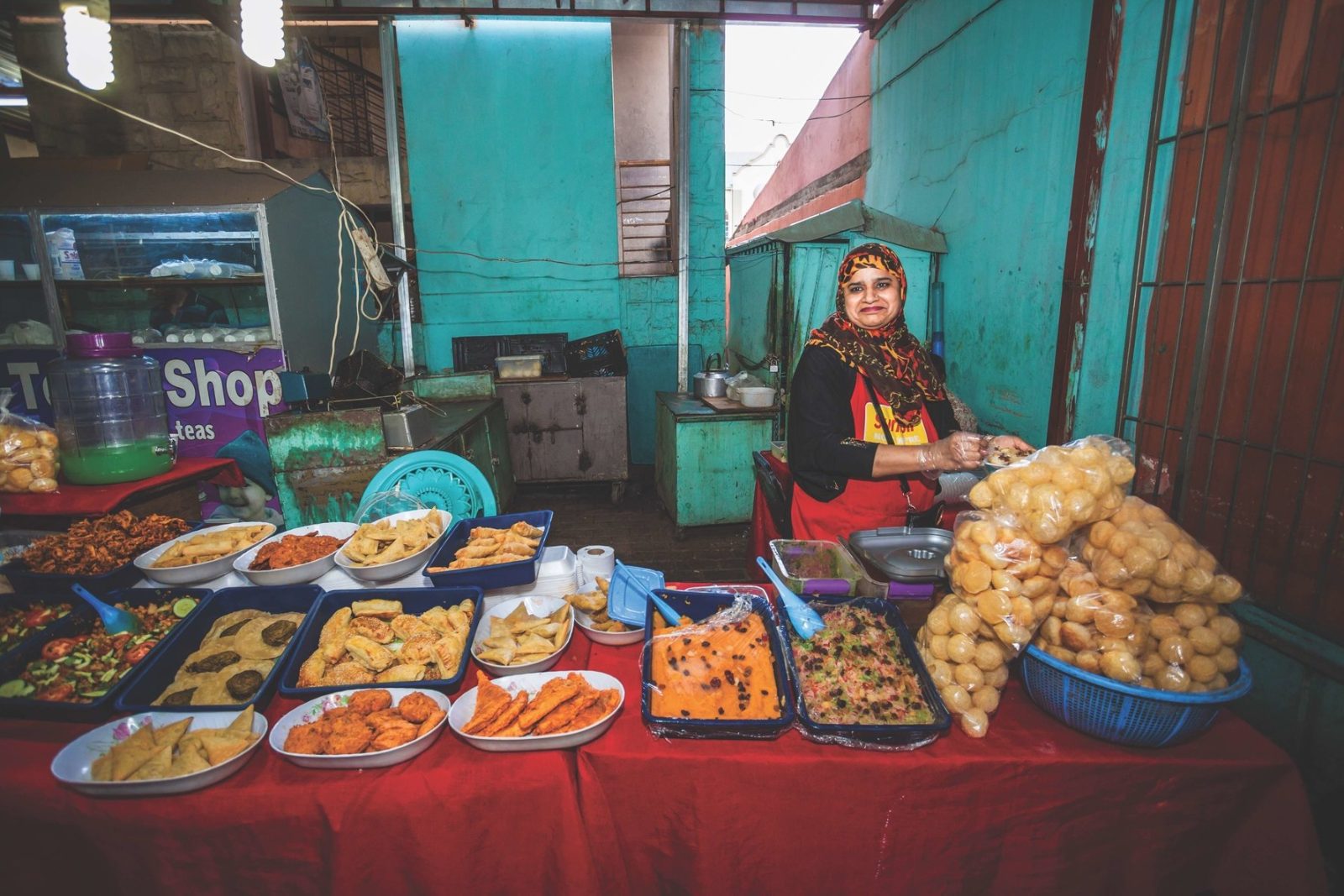
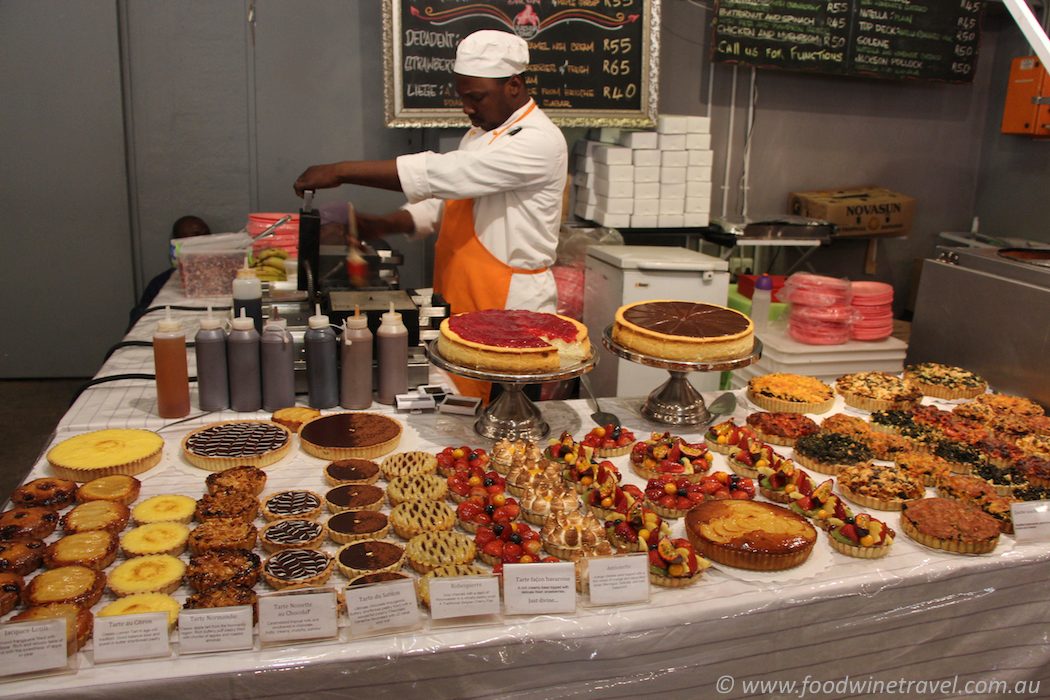
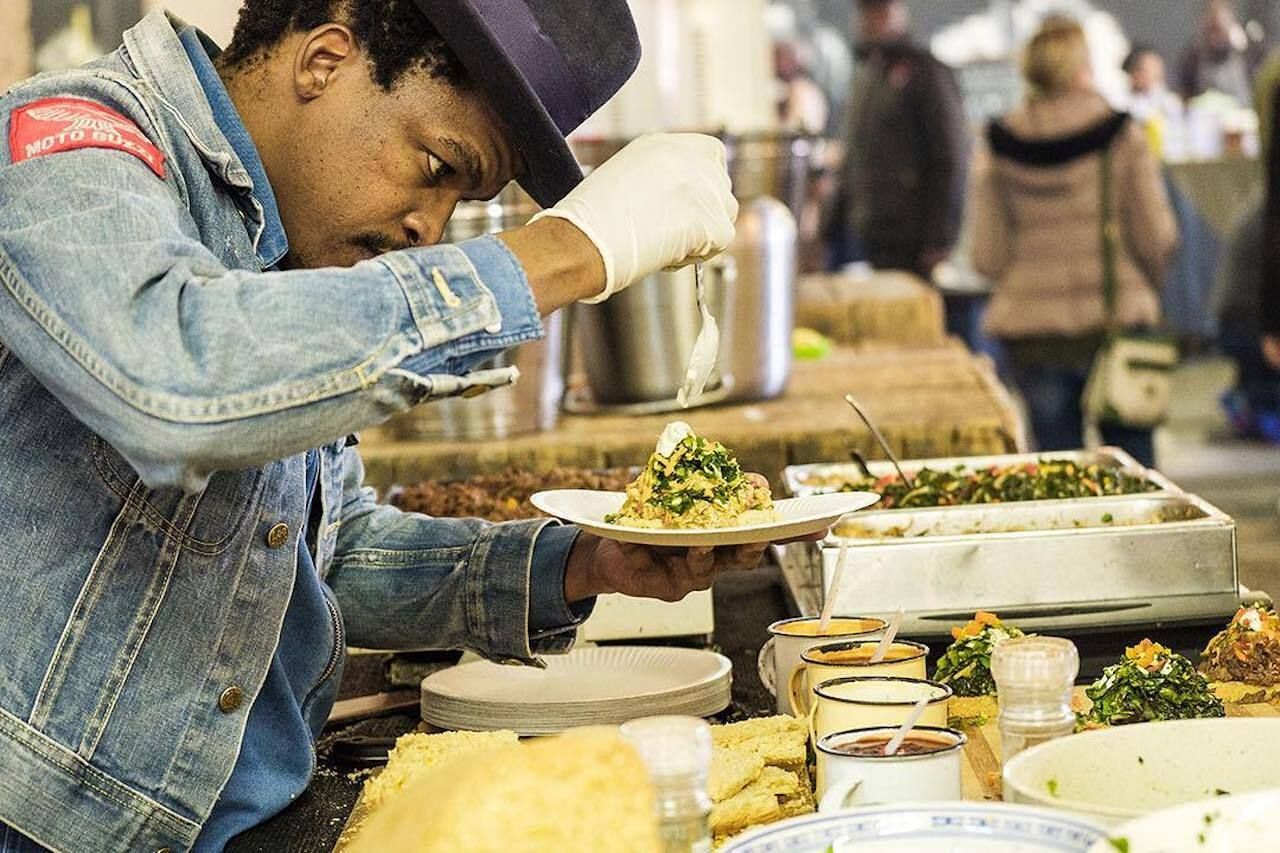
Experience a vibrant mix of African cultures and authentic continental flavors in this bustling hub.

Fordsburg Square

Fordsburg Square

Explore the historic Indian and Asian migrant culinary scene at this central trading district.

Maboneng District

Maboneng District

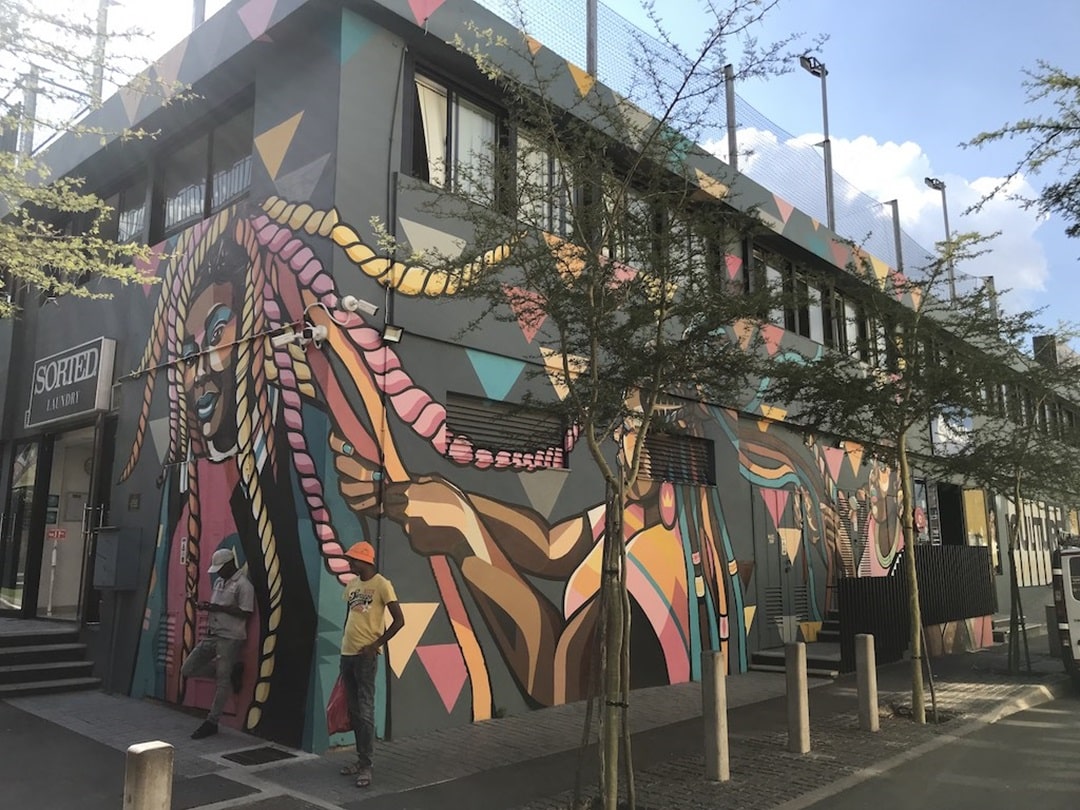
Discover an evolving arts district known for creative coffee shops and fusion dining experiences.

Newtown Precinct

Newtown Precinct

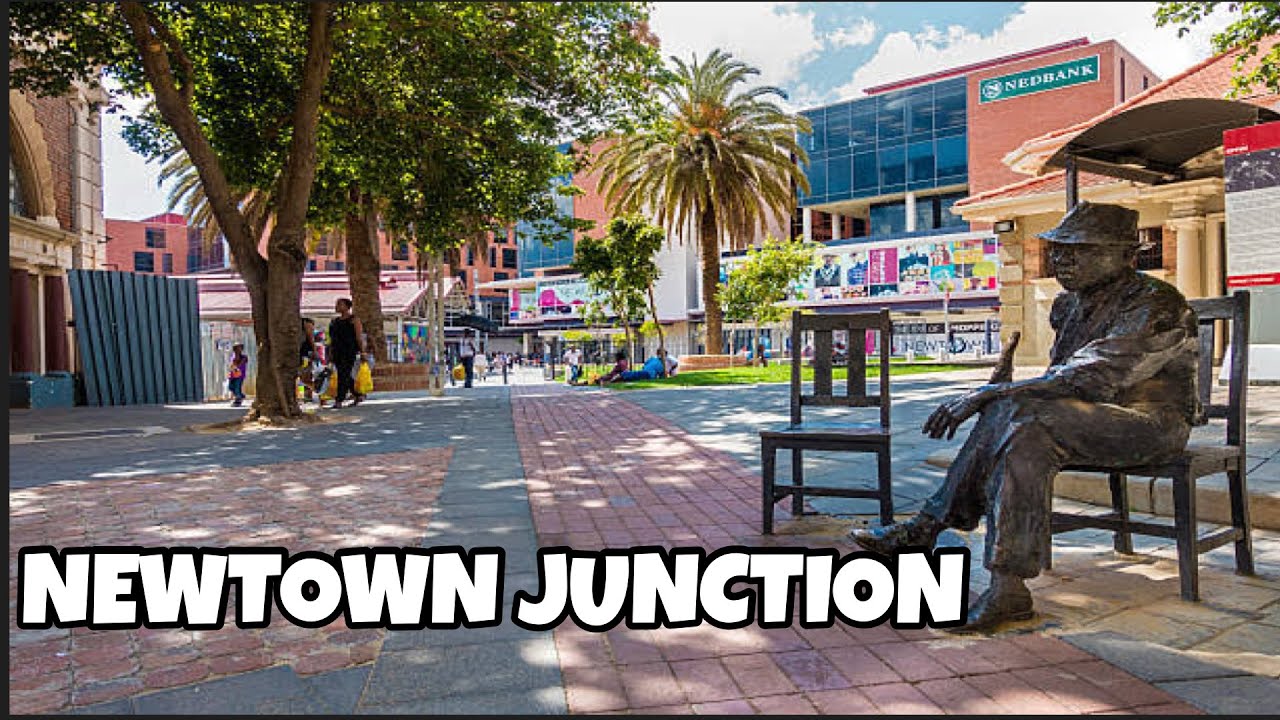
Visit the area home to local street food festivals and cultural landmarks celebrating city history.

The experience

What visiting Johannesburg Food is really like

You meet your guide outside the Maboneng precinct at mid-morning, joining a group of eight. The first stop is a corner stall where a vendor fries amagwinya—golden dough balls—over a gas burner, handing you one still crackling with heat.

Read more Show less

You walk three blocks to a Mozambican cafe, tasting peri-peri chicken livers wrapped in Portuguese rolls, the chili oil staining your fingers. The guide explains how this neighborhood was reclaimed from industrial decay, artist studios and food traders moving into abandoned warehouses.

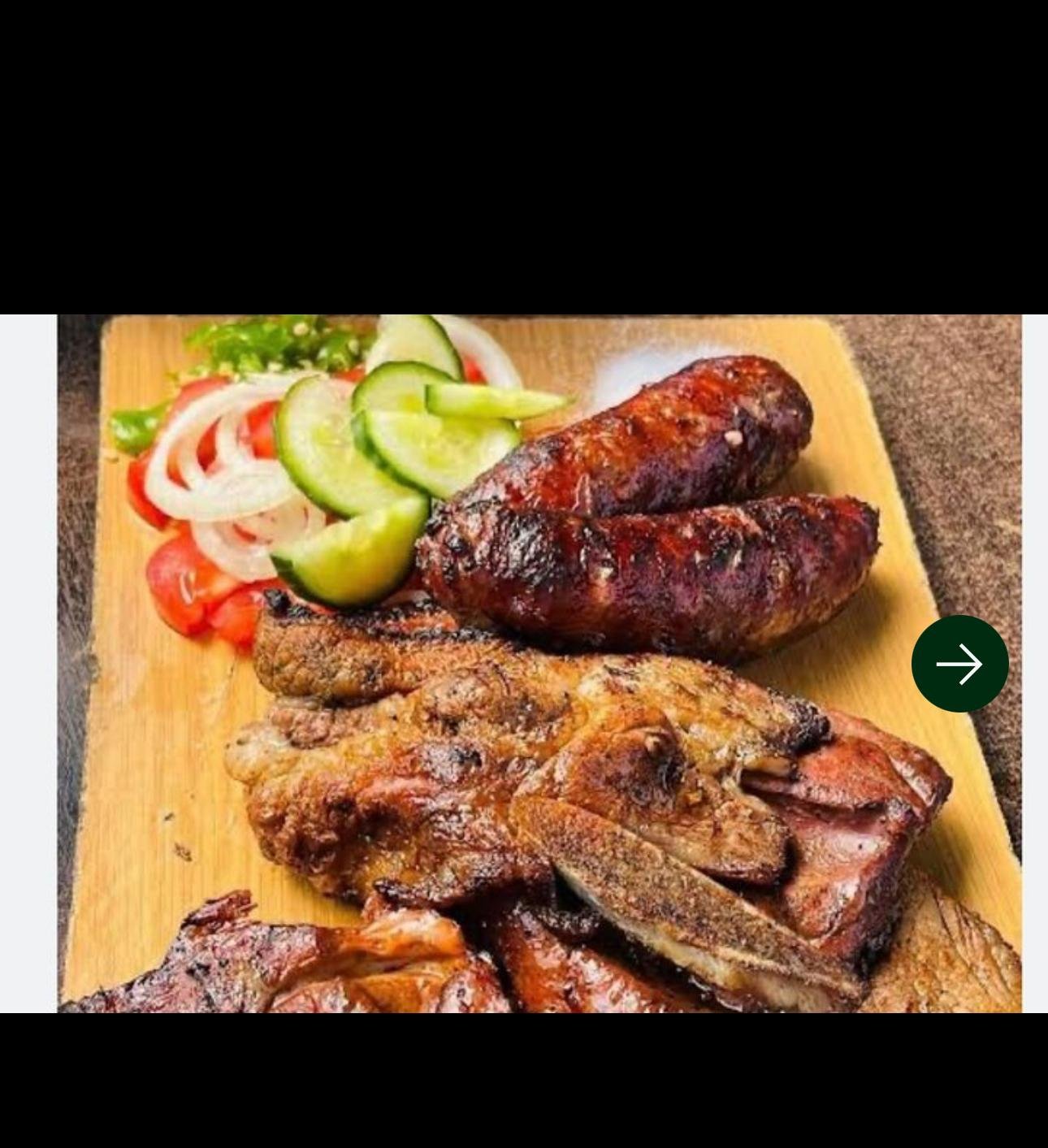
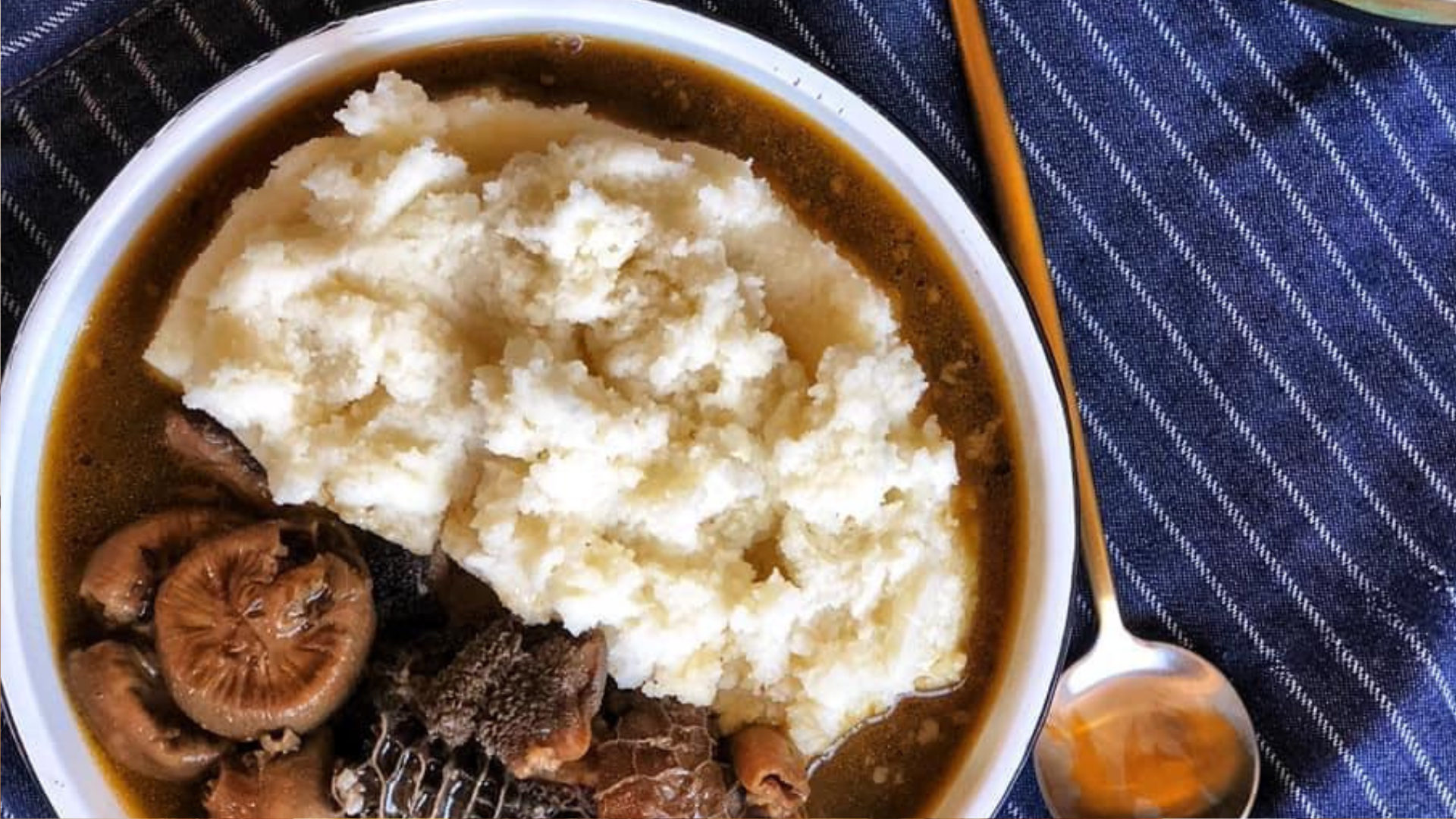
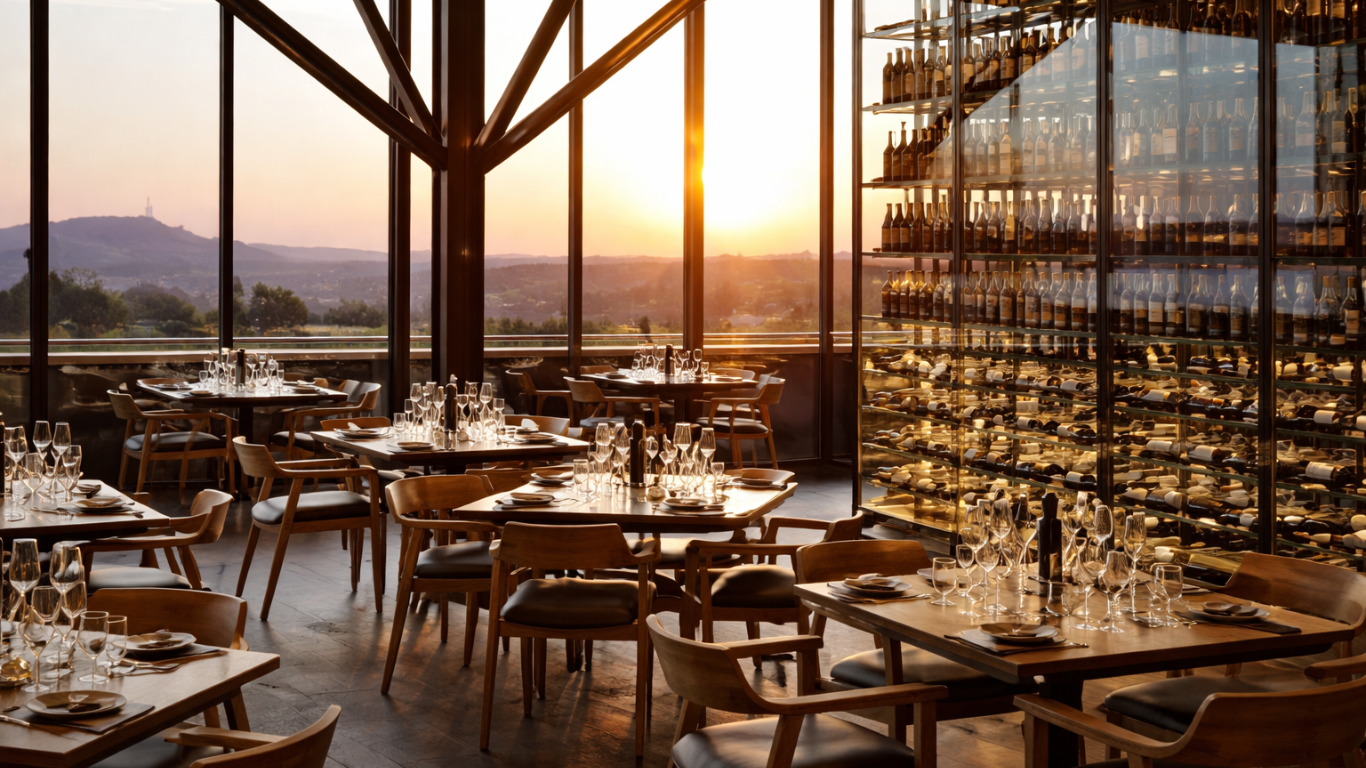
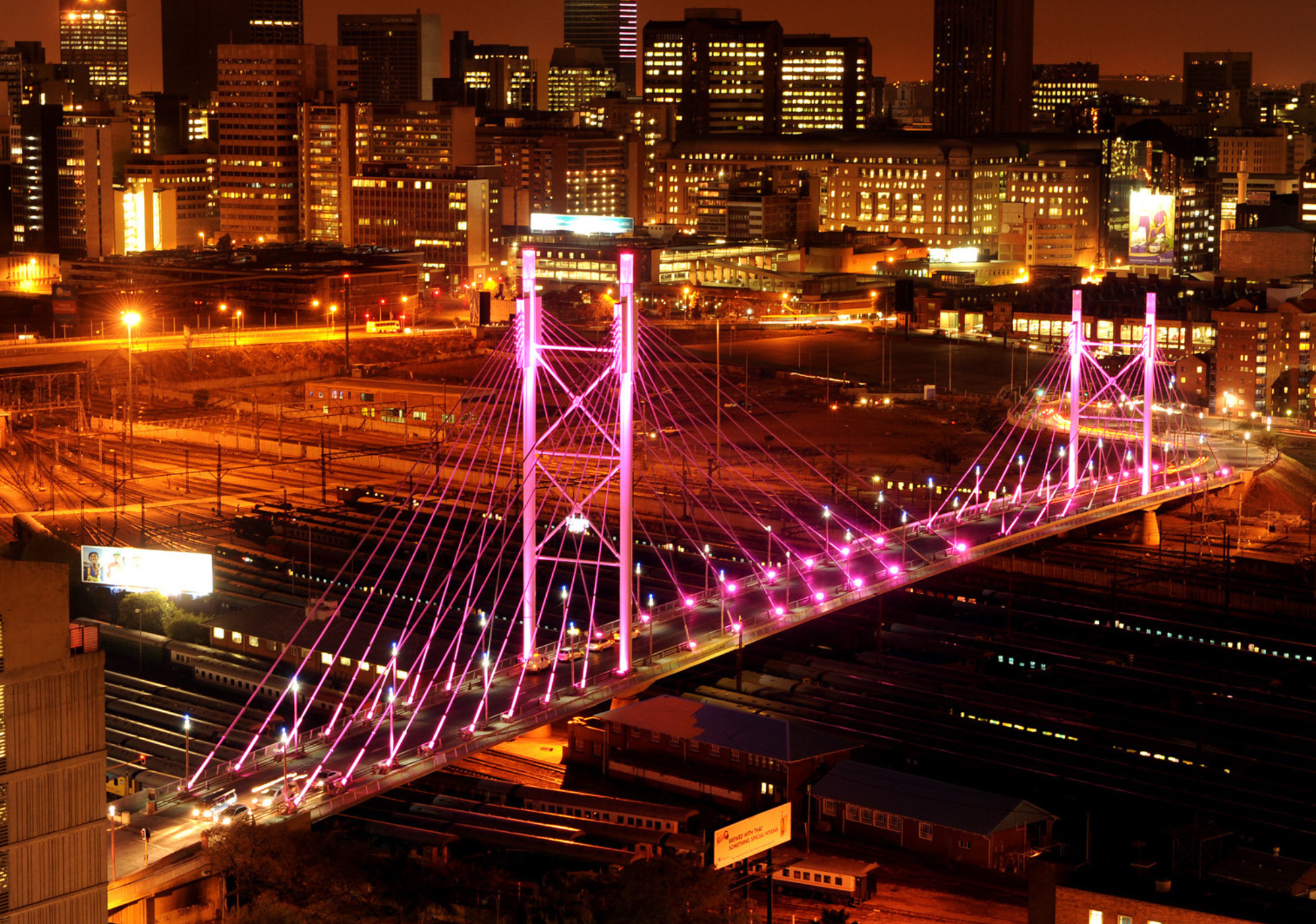
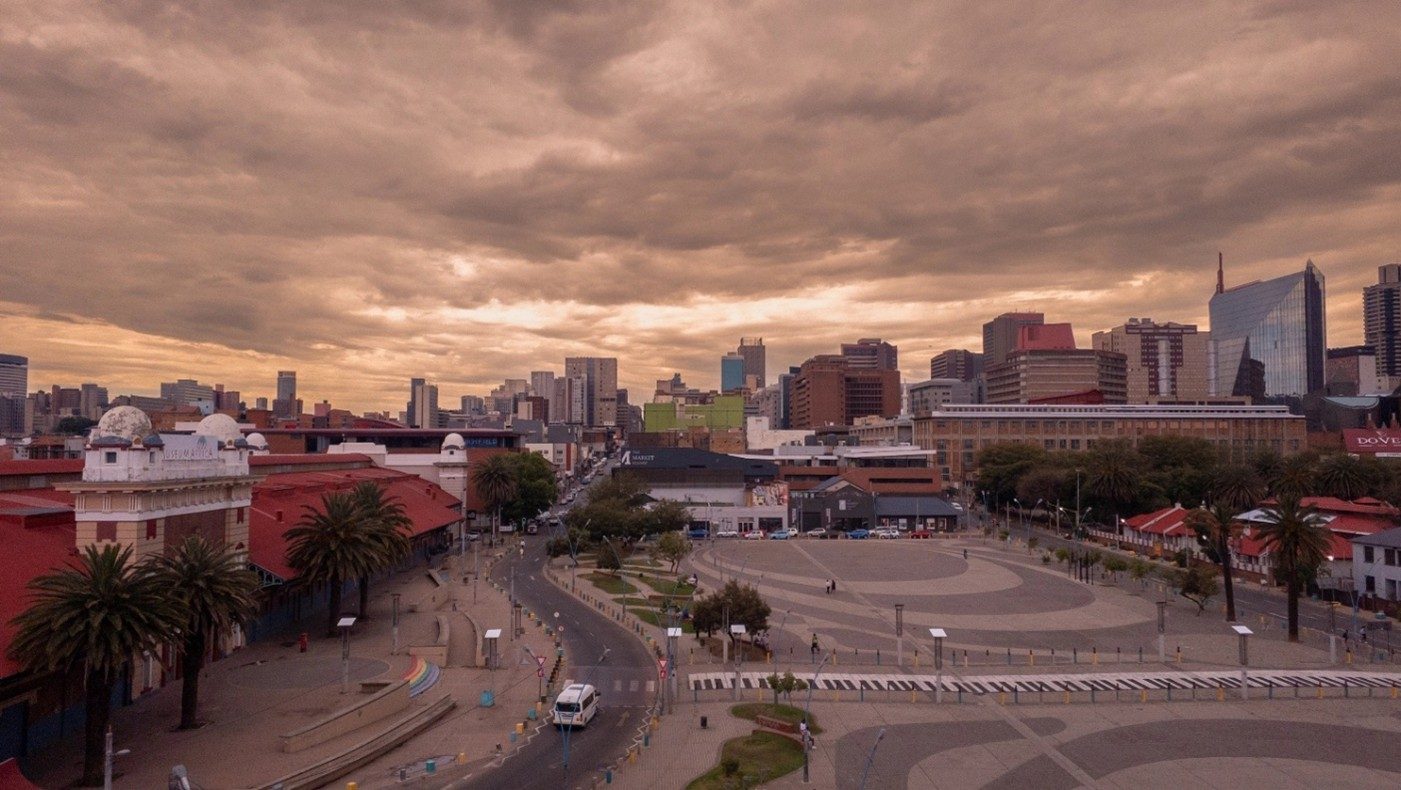
The route shifts to Newtown, where you enter a workers' market and sample pap with chakalaka relish, the maize porridge dense and filling. A woman stirs a pot of mogodu tripe, offering you a small bowl; the texture is unfamiliar but the spice blend—coriander, cumin, bay leaf—connects back to Indian Ocean trade. You pause at a shisa nyama grill, watching lamb chops sear over open flame, then taste a slice with tomato-onion gravy. The final stop is a rooftop bar where you sip rooibos-infused gin, looking out over the skyline. The guide notes that this view—downtown towers framed by northern suburbs—was illegal to photograph under apartheid. You leave with a list of spice shops and a new understanding of how Joburg's flavors map its fractured, resilient geography.

Johannesburg Food Tour
Everything You Need to Know

Your complete Johannesburg Food guide

All the details about your upcoming adventure in one place

Johannesburg Food Tour Experience

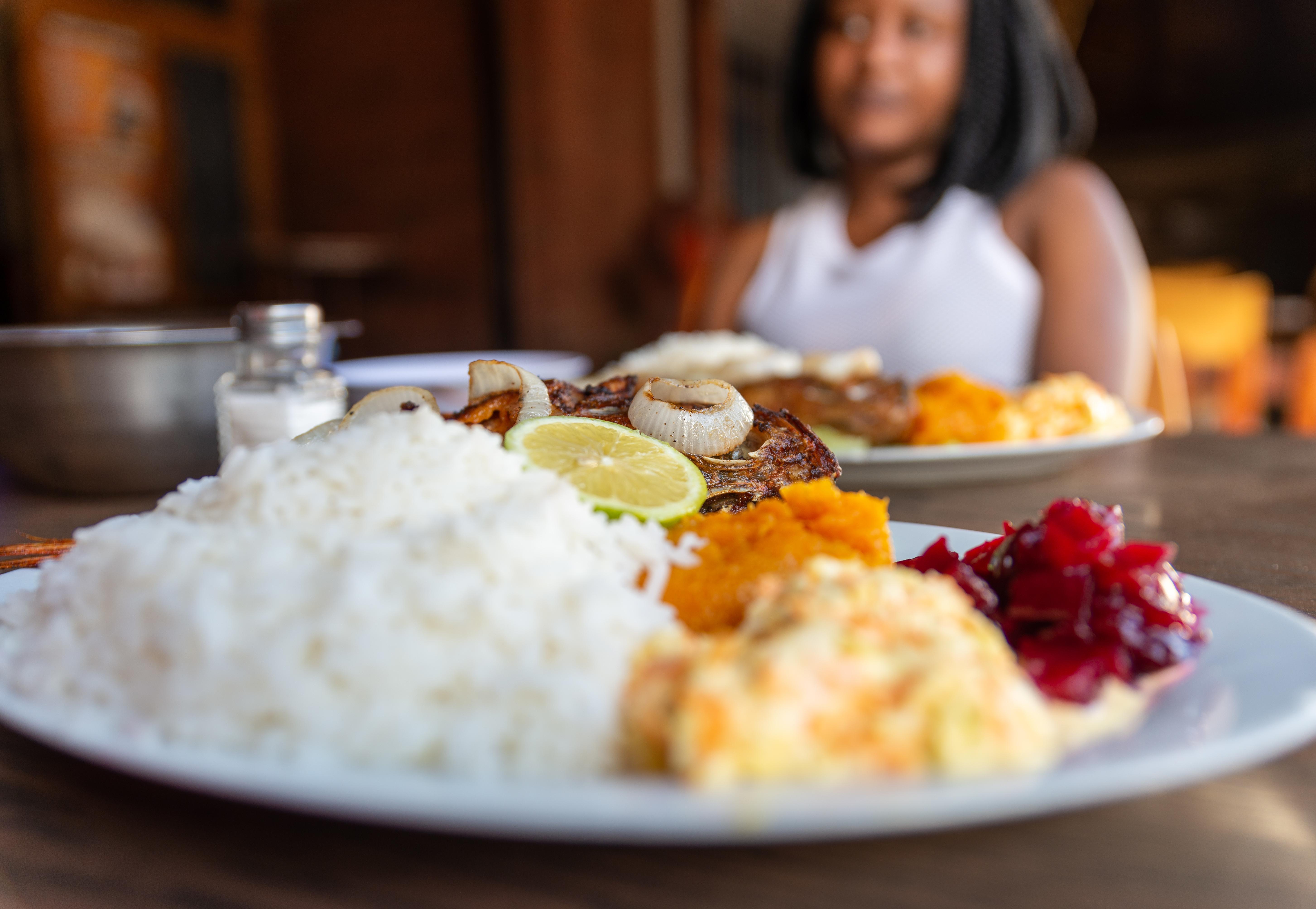
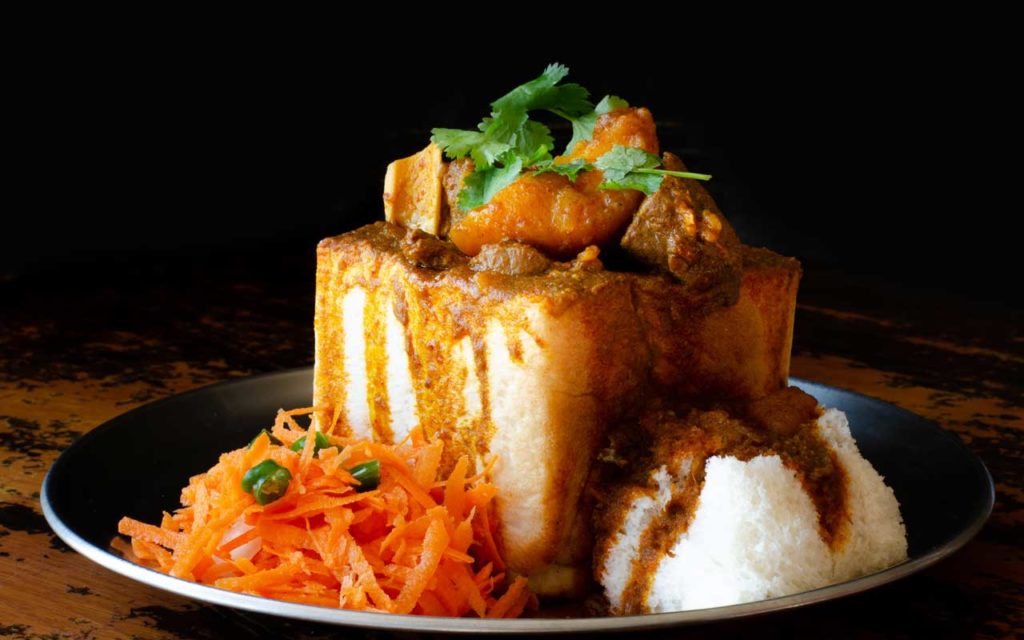
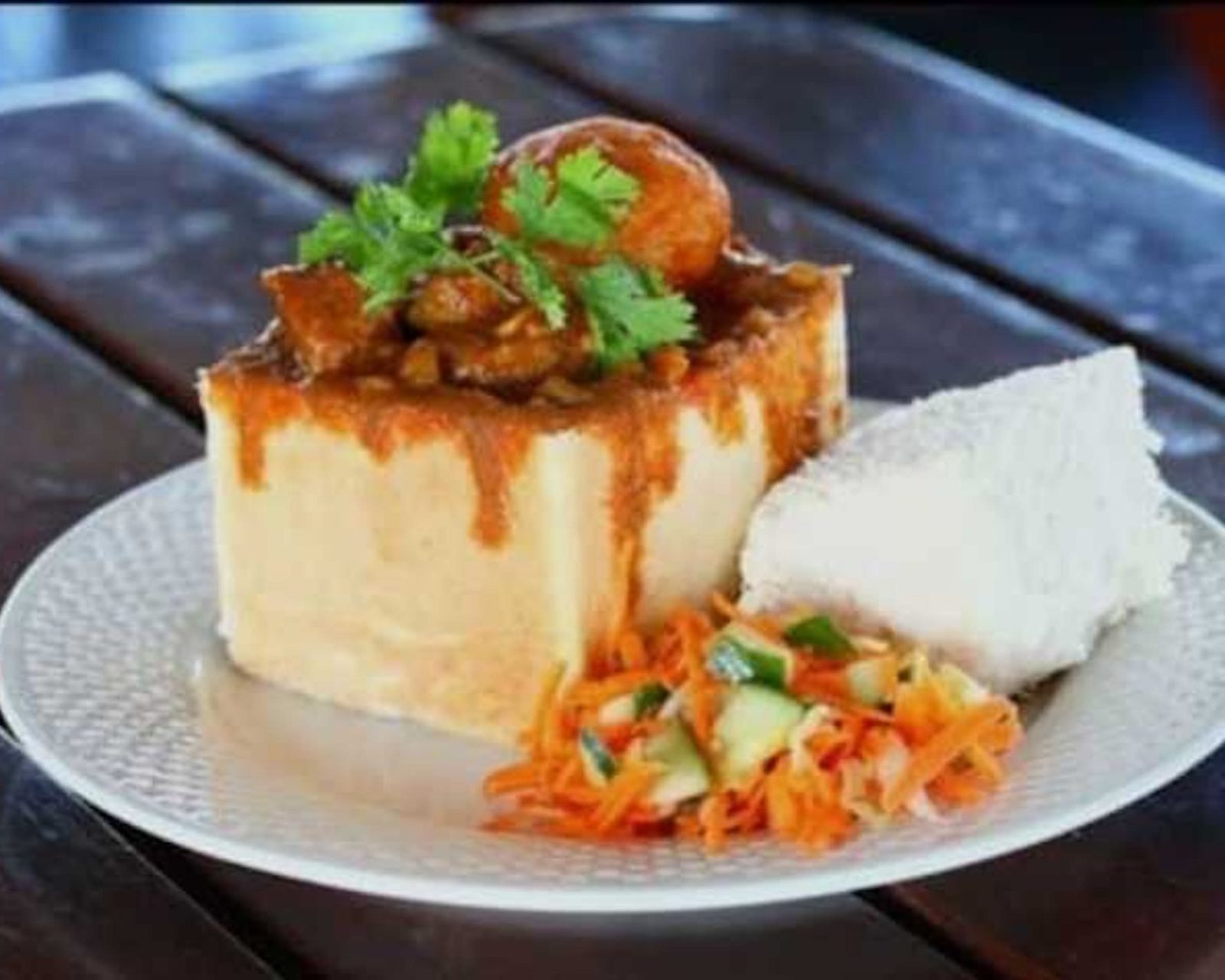
This johannesburg food tour connects you with the city's culinary identity through neighborhood markets, family-run eateries, and township kitchens. Sample bunny chow, boerewors, koeksister, and other South African staples while learning about the cultural traditions behind each dish. Johannesburg food tour tickets include tastings at six to eight stops across Maboneng, Newtown, or Soweto.

Johannesburg's culinary landscape carries the layered history of gold-rush migration, apartheid-era spatial segregation, and post-1994 cultural reclamation.

The city's food scene emerged not from a single colonial tradition but from the collision of Sotho-Tswana staples, Indian spice routes via Durban, Portuguese peri-peri from Mozambican refugees, and the shisa nyama grill culture born in township backyards. What visitors encounter today is a living archive: bunny chow sold from Fordsburg curry houses, amagwinya fried at taxi ranks, and braai smoke rising over Vilakazi Street where Mandela once lived.

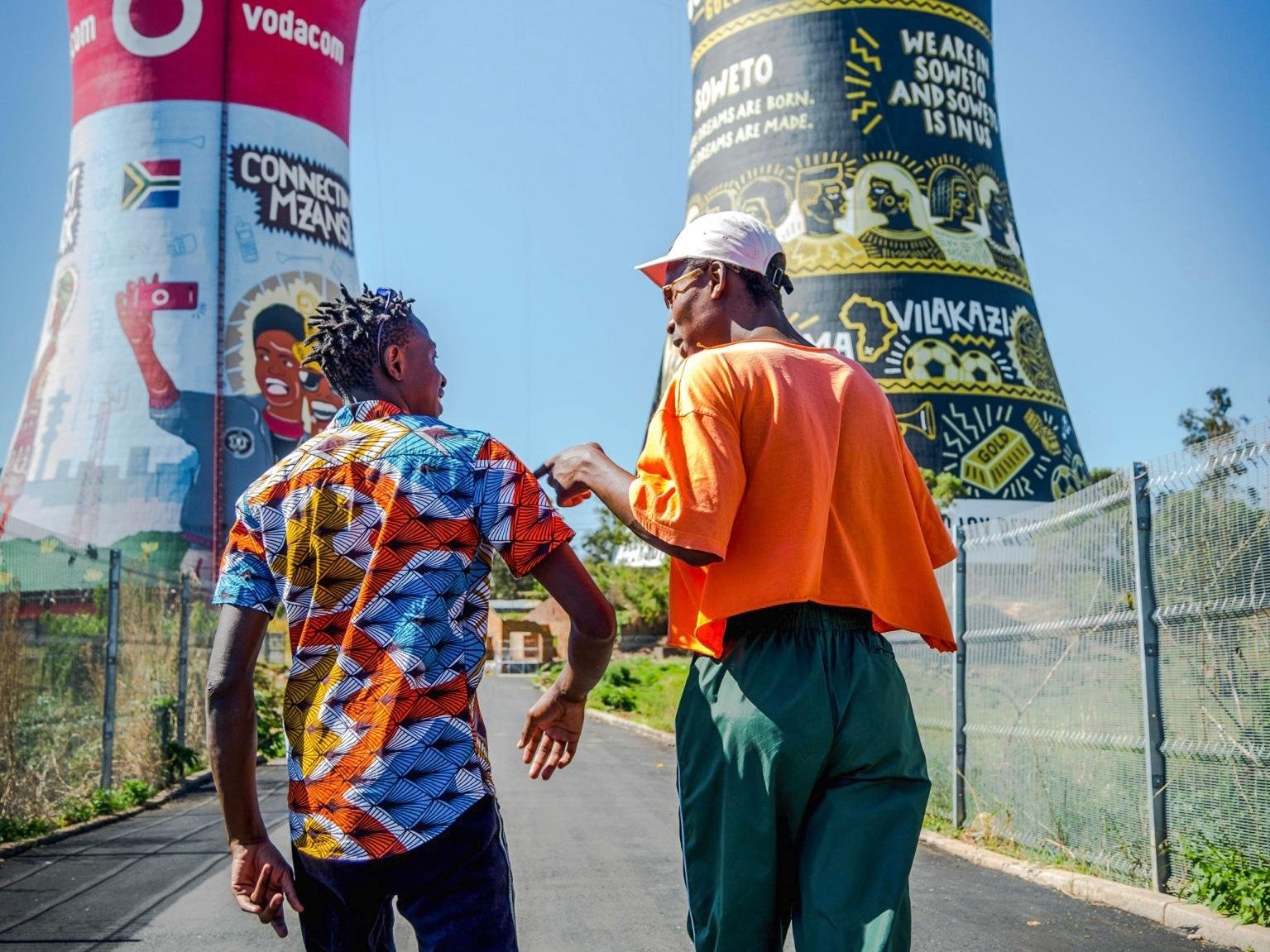
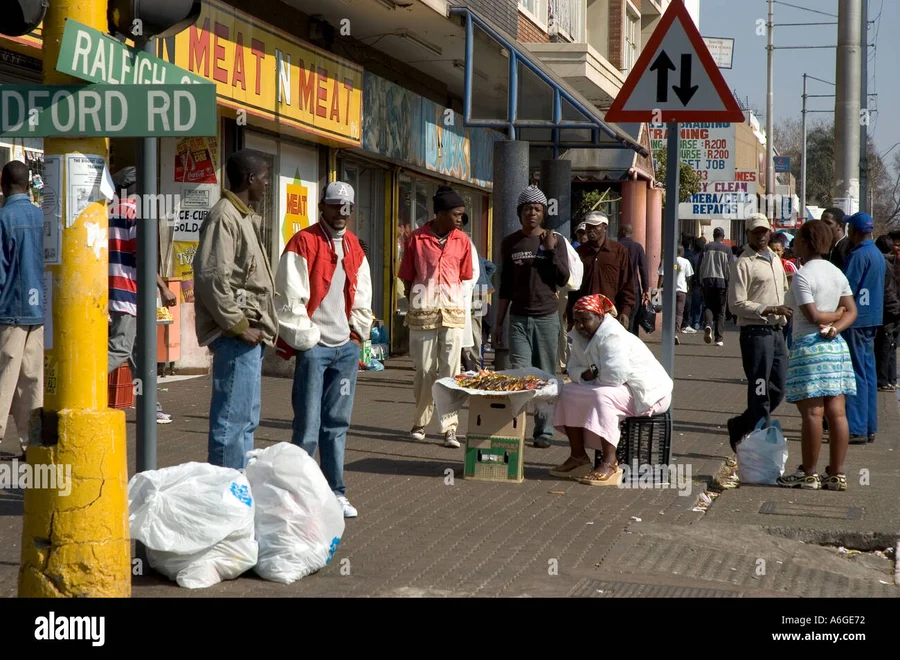
A Johannesburg food tour moves through neighborhoods that function as distinct culinary zones. Maboneng's gentrified streets host rooftop bistros serving Cape Malay bobotie alongside craft gin, while Newtown's Market Theatre precinct preserves the workers' canteen aesthetic of pap, sheba, and chakalaka. The real depth lies in Soweto, where guided walks navigate the backyard economies invisible to drive-through tourists: women rolling dough for vetkoek at dawn, spaza shops stocking tripe and samp, and the four-room houses converted into informal taverns where locals gather over umqombothi sorghum beer. These tours operate as both tasting circuits and spatial education, revealing how apartheid's Group Areas Act still shapes where people cook, eat, and gather.

The culinary walking tour format gained traction in Joburg after 2010, when the World Cup pushed township tourism into the mainstream and former residents returned as trained guides. Unlike the static museum model, these experiences depend on relationships: a guide's cousin who slow-roasts lamb sosaties in a Kliptown backyard, a grandmother in Sophiatown who still makes morogo wild greens the way her mother taught her in the 1950s. The food becomes a portal into spatial justice debates, as guides explain how the city's highways were engineered to separate white suburbs from Black labor pools, and how today's food entrepreneurs reclaim public space one stall at a time. For visitors willing to walk rather than drive, johannesburg food tour tours offer not just flavors but a contested urban geography served on a plate.


The real depth lies in Soweto, where guided walks navigate the backyard economies invisible to drive-through tourists.

Dress code

Wear comfortable walking shoes suitable for city pavements and markets. Dress in layers to adapt to Johannesburg's changing weather.

Bags & security

Keep belongings secure and carry only essential items. Many operators suggest bringing a bag for food purchases.

Photography

Photography is generally encouraged at markets, but always ask permission before photographing local vendors or their stalls.

Families & strollers

Many tours are suitable for families, though some involve extensive walking. Check with your chosen operator regarding age suitability.

Accessibility

Accessibility depends on the specific neighborhood and operator. Some inner-city routes feature uneven terrain.

Food & drink

Tours typically include multiple tastings. Notify your guide of any allergies or dietary requirements in advance.

Not allowed

× Weapons × Illegal substances × Large suitcases × Excessive luggage × Drones × Unsecured cash × Valuables × Inappropriate attire

What to bring

✓ Comfortable shoes ✓ Cash for markets ✓ Water bottle ✓ Sunscreen ✓ Camera ✓ Personal identification

Opening hours

Mon 00:00–23:59
Tue 00:00–23:59
Wed 00:00–23:59
Thu 00:00–23:59
Fri 00:00–23:59
Sat 00:00–23:59
Sun 00:00–23:59

How to get there

At a glance

Operating Hours

00:00–23:59

Address

Johannesburg, South Africa

Accessibility

Varies by operator

Best Window

09:00–17:00

Activity

Walking tours and markets

Cancellation policy

Most independent operators allow cancellation up to 24 hours in advance for a full refund. Entrance fee is 0 ZAR.

Plan your time

Planning Your Johannesburg Food Tour: Duration and Timing

Recommended time

3-5 hours

A comprehensive johannesburg food tour typically requires three to five hours to fully experience local culinary heritage and vibrant markets. Visitors should aim for the best arrival window of 09:00–17:00, as this ensures peak street vendor activity and optimal access to guided walking paths. Booking johannesburg food tour tours during these daylight hours helps avoid quiet periods, and you will not need traditional johannesburg food tour tickets for these independent services.

Crowd levels through the day

09:00–11:00 Moderate
11:00–13:00 Busy
13:00–15:00 Peak
15:00–17:00 Moderate
17:00–19:00 Light
The story

The Historical Roots of Every Johannesburg Food Tour

Johannesburg's food landscape is inseparable from the city's founding in 1886, when the discovery of gold transformed a grassy ridge into a raw mining camp. Prospectors from Europe, India, China, and across Africa converged, bringing maize porridge, bunny chow, samosas, and roast meat traditions that collided in makeshift canteens and mine compounds. By the 1890s, Indian traders had established spice shops along Commissioner Street, while Portuguese bakeries opened in Ferreirasdorp. The city's culinary map was drawn not by chefs but by labour recruiters and pass laws. Under apartheid, the Group Areas Act of 1950 shattered integrated neighborhoods like Sophiatown and Fordsburg, displacing Indian, Coloured, and Black residents to peripheral townships. Yet food survived as coded memory: koeksisters sold on Diagonal Street, vetkoek stalls in Alexandra, and shisa nyama gatherings in Soweto preserved recipes that formal restaurants could not erase. The johannesburg food tour industry began informally in the 1990s, when post-apartheid curiosity met entrepreneurial guides willing to cross old boundaries. Maboneng and Braamfontein markets emerged in the 2010s as new contact zones, where township cuisine met middle-class audiences. Today's culinary tours in Johannesburg trace routes once forbidden, linking Vilakazi Street's heritage sites with inner-city Ethiopian joints, Newtown shisa nyama, and Indian curry houses on Mint Road. The itinerary itself is a map of reconciliation and selective memory, where every stop recalls migration, dispossession, or survival. Walking these johannesburg food tour routes means navigating a palimpsest: the gold reef's original canteens lie beneath high-rises, and the best pap and vleis are still found where apartheid planners tried to hide them.

1886

Gold discovery triggers mass migration; miners bring maize porridge, curry, and roast meat traditions to the new camp.

1890s

Indian spice traders and Portuguese bakers establish food businesses along Commissioner and Diagonal streets.

1950

Group Areas Act forces removals from Sophiatown and Fordsburg, scattering food cultures into segregated townships.

1976

Soweto Uprising accelerates urban township markets; shisa nyama and street-food economies expand despite state repression.

1990s

Post-apartheid guides begin informal culinary walking tours, crossing formerly prohibited neighborhood boundaries.

2010s

Maboneng Precinct and Braamfontein food markets open, blending township cuisine with gentrified inner-city spaces.

2020s

Johannesburg food tour operators formalize routes linking Vilakazi Street heritage, Newtown shisa nyama, and Fordsburg curry houses.

Gallery

Moments from Johannesburg Food

Food & drink

Local Flavors on a Johannesburg Food Tour: Notable Stops

Exploring culinary landscapes near a johannesburg food tour provides insight into the city's diverse heritage. Visitors can discover vibrant street vendors and artisanal kitchens located within a short walk of major city landmarks.

Market on Main

$$

Street food

This venue offers diverse local snacks and artisanal drinks, perfect for those booking johannesburg food tour tours. It remains a central hub for food enthusiasts seeking authentic flavors.

Chalkboard Café

$$

Bistro — 5 min walk

Located in the Maboneng precinct, this spot serves wood-fired pizzas and craft beverages. It is a convenient stop for guests holding johannesburg food tour tickets.

Little Addis

$$

Ethiopian eatery — 3 min walk

Known for traditional injera and aromatic stews, this restaurant provides a communal dining experience. It is a recommended pause for anyone on a johannesburg food tour tour.

Canteen

$$

Café — 4 min walk

This courtyard-style restaurant features a rotating menu of fresh salads and grilled dishes. It serves as an ideal location for a midday rest while observing local urban architecture.

Customer Reviews

What travelers say about Johannesburg Food

Real experiences from real travelers

4.5
Based on 2,400 reviews
1 ★ 980
2 ★ 820
3 ★ 1450
4 ★ 4100
5 ★ 18200
P
Priya M.
India · 2026-07-18

Culinary journey through Jozi

Our johannesburg food tour guide led us through Newtown and Maboneng, introducing bunny chow, boerewors rolls, and koeksisters at family-run spots. The blend of Indian, Afrikaner, and Zulu culinary traditions told the city's story better than any museum. Each tasting came with context about migration and neighborhood evolution. We finished at a rooftop venue overlooking the skyline as the sun set.

C
Carlos R.
Spain · 2026-08-22

Authentic township flavors

This culinary walking experience took us beyond the tourist corridor into Soweto's vibrant food culture. We sampled amagwinya, samp and beans, and grilled chicken at a shisa nyama while locals shared tables with us. The guide explained how each dish connects to Ubuntu philosophy and communal eating. Three hours felt like a crash course in South African identity through taste.

L
Lena K.
Germany · 2026-06-11

Best introduction to the city

Started mid-morning in the Neighbourgoods Market, then moved through side streets sampling vetkoek, biltong, and chakalaka from vendors who've served the same corner for decades. Our guide knew every stall owner by name. The johannesburg food tour tickets included seven tastings plus a craft beer stop at a microbrewery in Braamfontein. Left full and informed.

K
Kenji T.
Japan · 2026-05-30

Perfect blend of culture and cuisine

The tour covered four neighborhoods in four hours, each with distinct culinary character. Maboneng's artisan coffee and pastries, Fordsburg's curry mile with samoosas and roti, Chinatown's dim sum, and finally a traditional South African braai setup. The guide discussed apartheid's spatial legacy and how food became a form of resistance and reunion. Portions were generous.

A
Amara O.
Nigeria · 2026-04-15

Great food, rushed pace

Loved the variety on this johannesburg food tour—pap and morogo, bobotie, melktert, and amarula cream at the end. The guide was knowledgeable about ingredient sourcing and regional variations. Only criticism is we moved quickly between stops with limited time to absorb each location. Still, the quality of food and storytelling made it worthwhile. Would recommend comfortable shoes.

T
Thomas B.
United States · 2026-08-05

Insightful and delicious

This walking food experience through downtown Johannesburg revealed layers I'd have missed on my own. We tried gatsby sandwiches, peri-peri chicken livers, and malva pudding while the guide unpacked the city's gold rush origins and migration waves. The stops ranged from hole-in-the-wall joints to a historic hotel dining room. Weather was crisp, streets felt safe in the group.

I
Isabelle D.
France · 2026-07-02

Exceeded expectations

Booked the johannesburg food tour tours on short notice and joined a small group of six. We explored the Indian district, tasted three types of curry, fresh samoosas, and ended with koesisters dipped in syrup. Each vendor shared family recipes passed through generations. The guide balanced history, humor, and practical neighborhood tips. A highlight of my week in Joburg.

M
Miguel F.
Brazil · 2026-06-20

Soweto street food gem

Focused entirely on township cuisine, this tour introduced us to kota sandwiches, grilled mopane worms, and homemade ginger beer. We ate where residents eat, surrounded by murals and music. The guide grew up in Soweto and offered personal stories alongside culinary context. No pretense, just real food and real conversation. Departed with recipe cards and new friends.

E
Emma L.
United Kingdom · 2026-05-12

Highly recommend for first-timers

Our guide met us at the Carlton Centre and led us through a carefully curated route hitting eight tasting stops. The johannesburg food tour included biltong at a butchery, vetkoek from a street vendor, curry at a family-run spot in Fordsburg, and craft gin at a distillery. Each location illustrated a different wave of immigration. Finished at a rooftop bar with panoramic city views and a cheese platter.

A
Ananya S.
United States · 2026-03-28

Cultural immersion through taste

This tour offered more than food—it was an education in South African social history. We sampled dishes from Afrikaner, Zulu, Indian, and Portuguese traditions while walking through neighborhoods shaped by those communities. The guide addressed difficult topics like forced removals with respect and nuance. Tastings were generous, pacing was comfortable, and the small group size allowed for real conversation.

FAQ

Johannesburg Food — frequently asked questions

Everything you need to know for your journey

Ready for Adventure?

Join thousands of happy travelers who have discovered this incredible experience

Book Your Experience Now