3 hr
Johannesburg Multicultural Food Tasting Walk
- Entry ticket
- Mobile voucher
- Valid same day
- Free cancellation
Johannesburg Street Food Tour — Guided Market Walks & Tastings
Multicultural vendors across four neighborhoods, one unforgettable plate at a time
Compare fares, pick the fit — all bookings are mobile-voucher and eligible for free cancellation where shown.
3 hr
4 hr
8 hr
Selecting a johannesburg street food tour allows you to navigate the city's diverse culinary landscape with local experts. Whether you prefer a structured group excursion or a bespoke private Johannesburg food tasting tour, these experiences connect you with the vibrant flavors of Gauteng.
| Group Walking Tour Shared social experience |
Top pick Private Culinary Safari Bespoke custom itinerary |
|
|---|---|---|
| Duration | 2–3 hours | 4 hours |
| Accessibility | Walking / Public transport | Private vehicle included |
| Group Size | Up to 25 people | Exclusive to your party |
| Food Inclusions | 6–7 varied tastings | All meals and drinks |
| Best for | First-timers / Social travelers | Foodies / Custom flexibility |
| See tickets & prices |
Verdict: Choose the group johannesburg street food tour for a budget-friendly social outing, or book a private safari for a fully personalized deep dive.
Worth it for cultural immersion seekers
A johannesburg street food tour delivers authentic access to the city's multicultural food scene that independent visitors rarely find on their own. The bookable walking experiences range from focused neighborhood tastings in Maboneng to full-day Soweto excursions that pair street vendors with historical context. You're paying for local guide knowledge—which markets are safe to explore, which vendors serve the best bunny chow or boerewors rolls, and how to navigate language barriers at informal stalls. The Multicultural Food Tasting Walk targets pure culinary exploration, while Soweto tours blend township heritage with home-cooked meals. Most tours include 4-6 tastings plus transportation where needed. For travelers prioritizing food as a cultural gateway rather than just a meal, the guided format unlocks neighborhoods and vendor interactions that guidebooks miss. Solo exploration of Johannesburg street food markets requires local contacts or high comfort with urban navigation.
Bottom line: Book a johannesburg street food tour if you want vetted access to the city's informal food culture without the navigation risks of going solo.
The city-based walking tours provide an exploration of urban revitalization and contemporary gastronomy, while the Soweto experience offers deep cultural immersion into local heritage. They complement each other; visitors seeking modern culinary creativity prefer the former, while those prioritizing societal history find the latter more impactful.
|
Top pick Johannesburg Food Tour |
Soweto Culinary Experience | |
|---|---|---|
| Primary Focus | Urban arts and contemporary gastronomy | |
| Typical Neighborhoods | Maboneng and Braamfontein | |
| Cultural Intensity | High creative and social energy | |
| Historical Context | Industrial and modern city growth | |
| Walking Intensity | Moderate with street-level access | |
| Local Interaction | Artisans and professional chefs | |
| See tickets & prices |
Verdict: Choose the johannesburg street food tour tours to discover the evolving flavors of the city center, or select the Soweto experience for a profound encounter with traditional township life through johannesburg street food tour tickets; the optimal johannesburg street food tour tour choice depends on whether you seek cosmopolitan trends or historical narrative.
Hand-picked experiences loved by thousands of travelers
3 hours
Free Cancellation
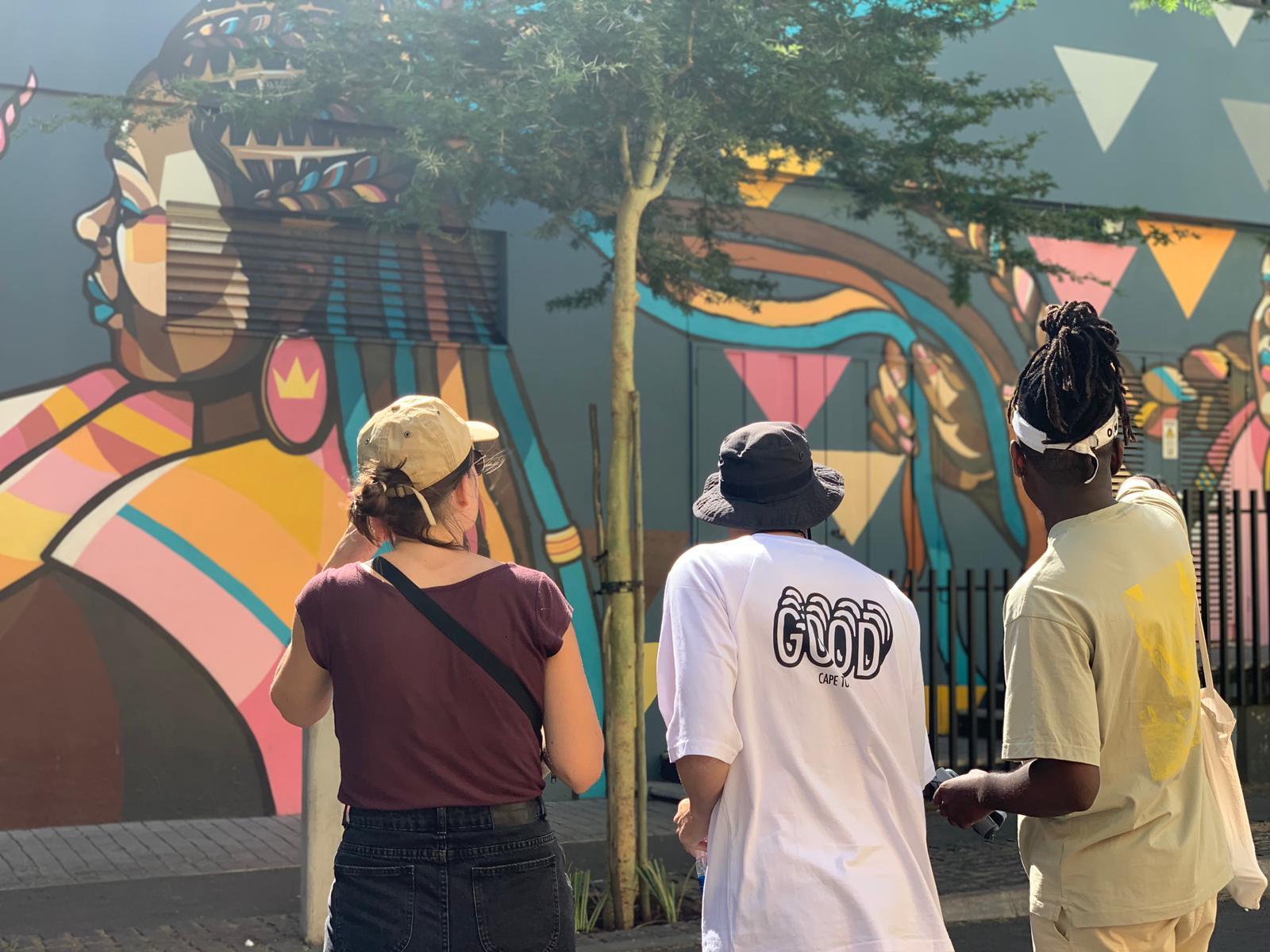
Explore Johannesburg's creative heart through street murals, artist studios, and local flavors
4 hours
Free Cancellation
Explore one of South Africa's most iconic townships with an insider's perspective on history and culture
4 hours
Free Cancellation
Taste your way through Johannesburg's culinary heart on a guided 4-hour gastronomic adventure
10 hours
Free Cancellation
Explore South Africa's complex history through significant landmarks and powerful museum exhibits
4.5 hours
Free Cancellation
Journey through South Africa's history with visits to the renowned Apartheid Museum and Soweto's landmarks
3 hours minimum (5 hours with Soweto extension)
Free Cancellation
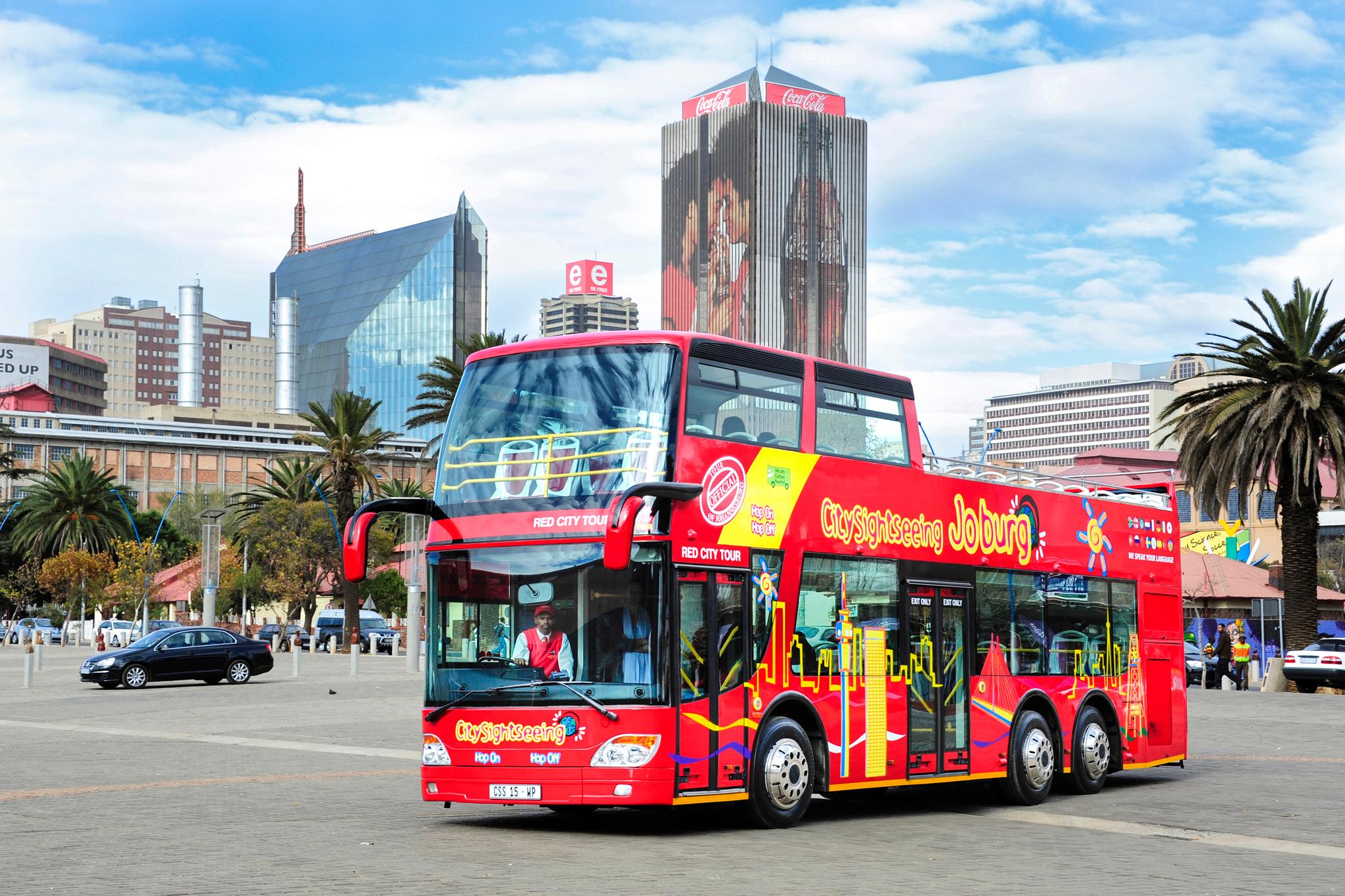
Discover South Africa's largest city from an open-top double-decker with flexible boarding at key sites
4 hours
Free Cancellation
Discover Johannesburg's vibrant neighborhoods, street art, and nightlife on this guided evening adventure
5 hours
Free Cancellation
Discover the electric after-dark energy of Jo'burg and Soweto on this guided cultural journey with meals
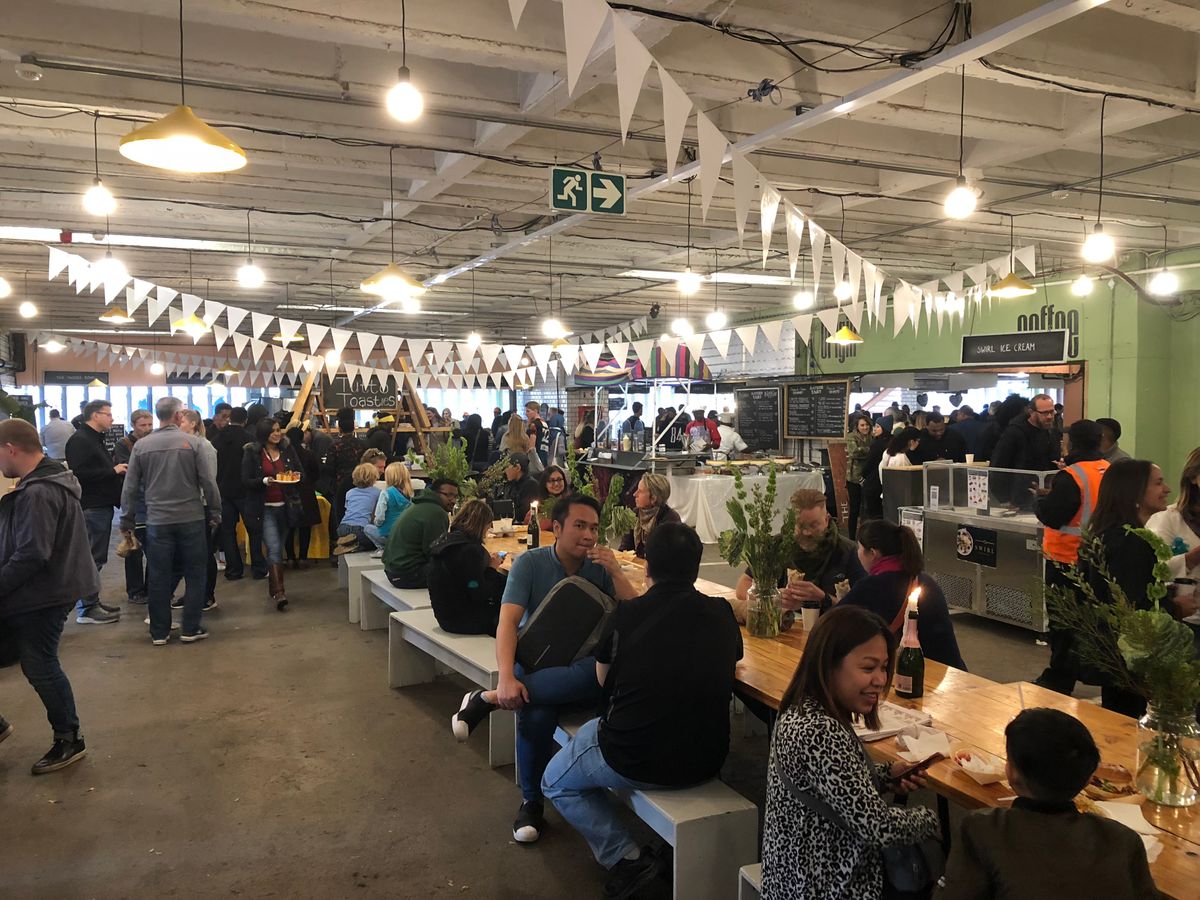
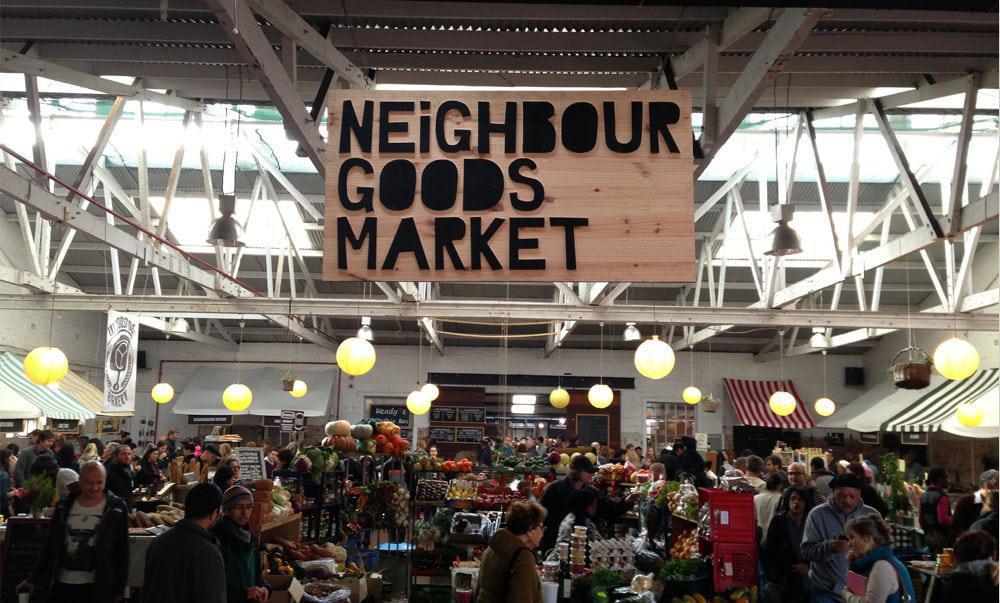
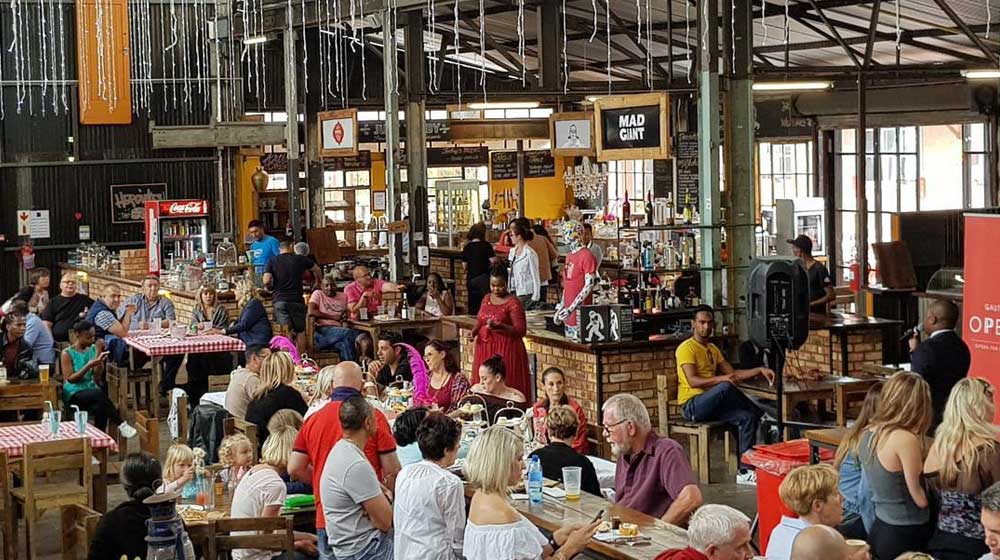
This vibrant market features diverse local snacks and artisanal goods in a converted industrial space. It is a central hub for food enthusiasts.
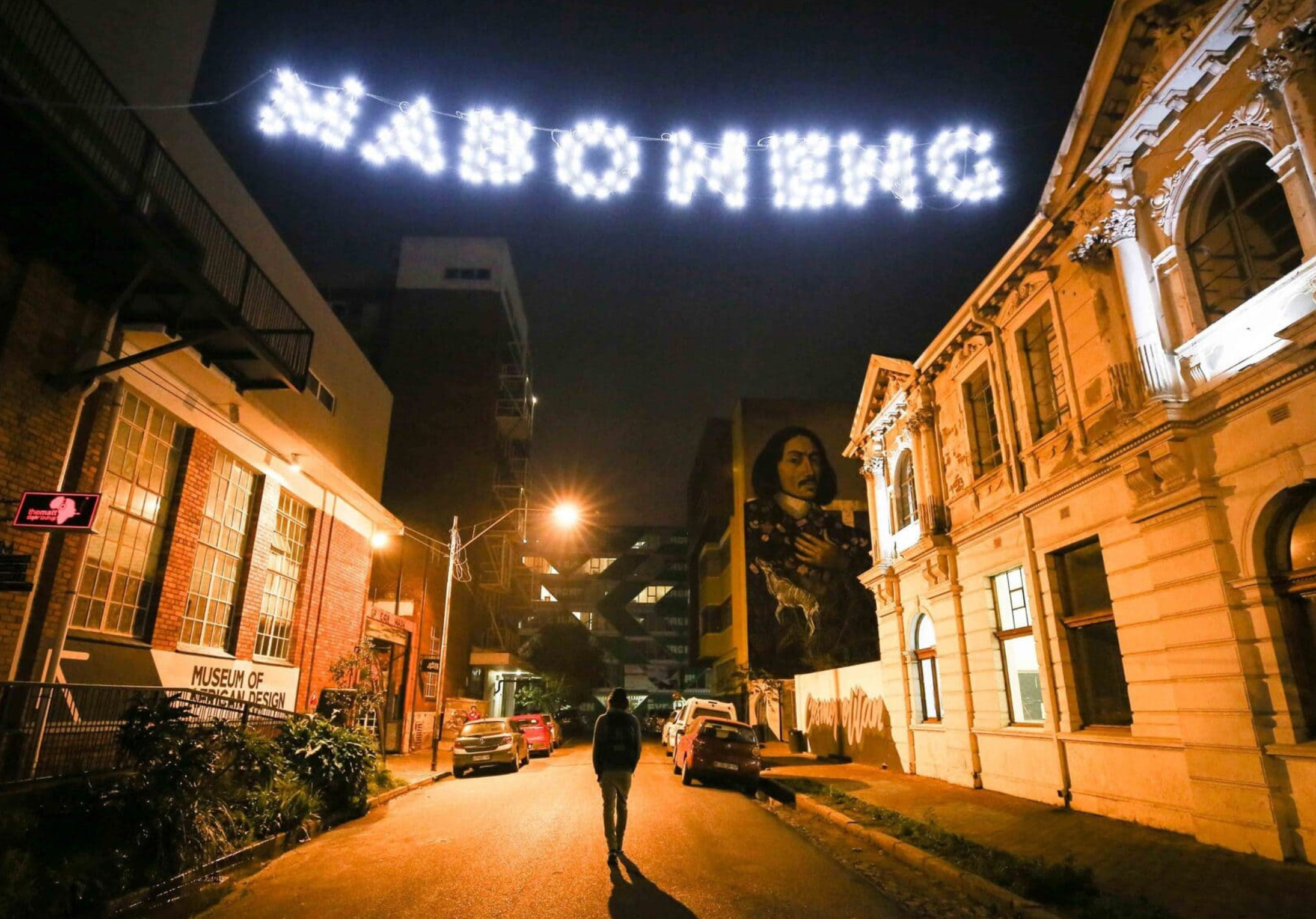
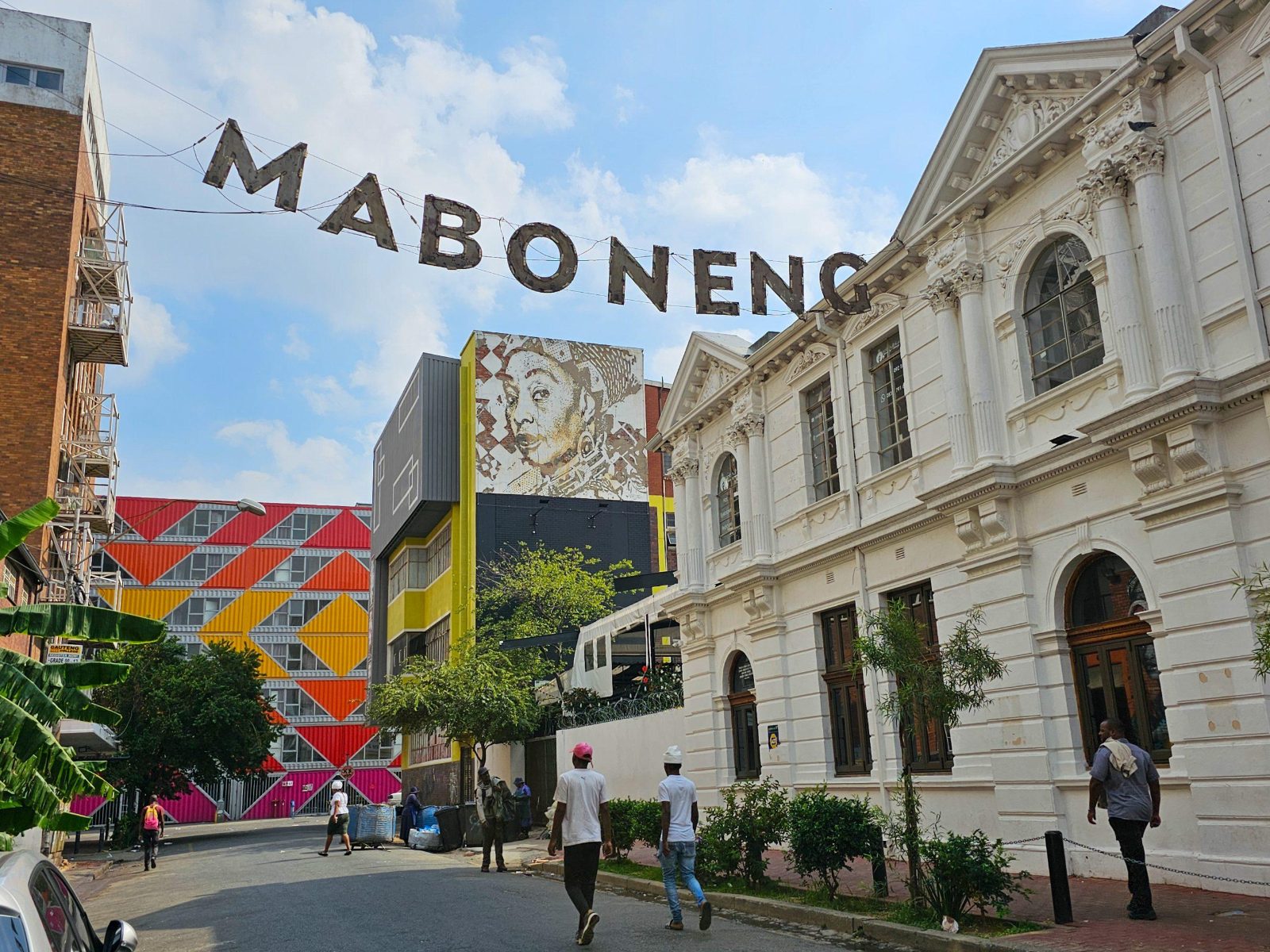
This urban renewal area hosts street food vendors and art galleries along popular walking routes. It is known for its creative atmosphere.
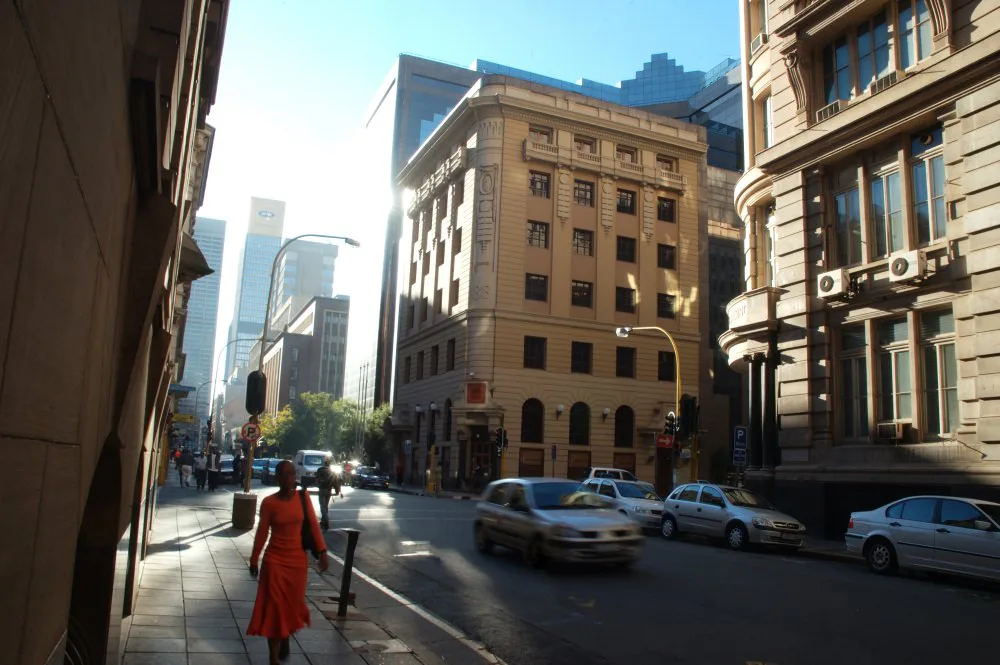
This historic street is lined with various eateries and stalls reflecting the city's multicultural food heritage. It is a key culinary landmark.
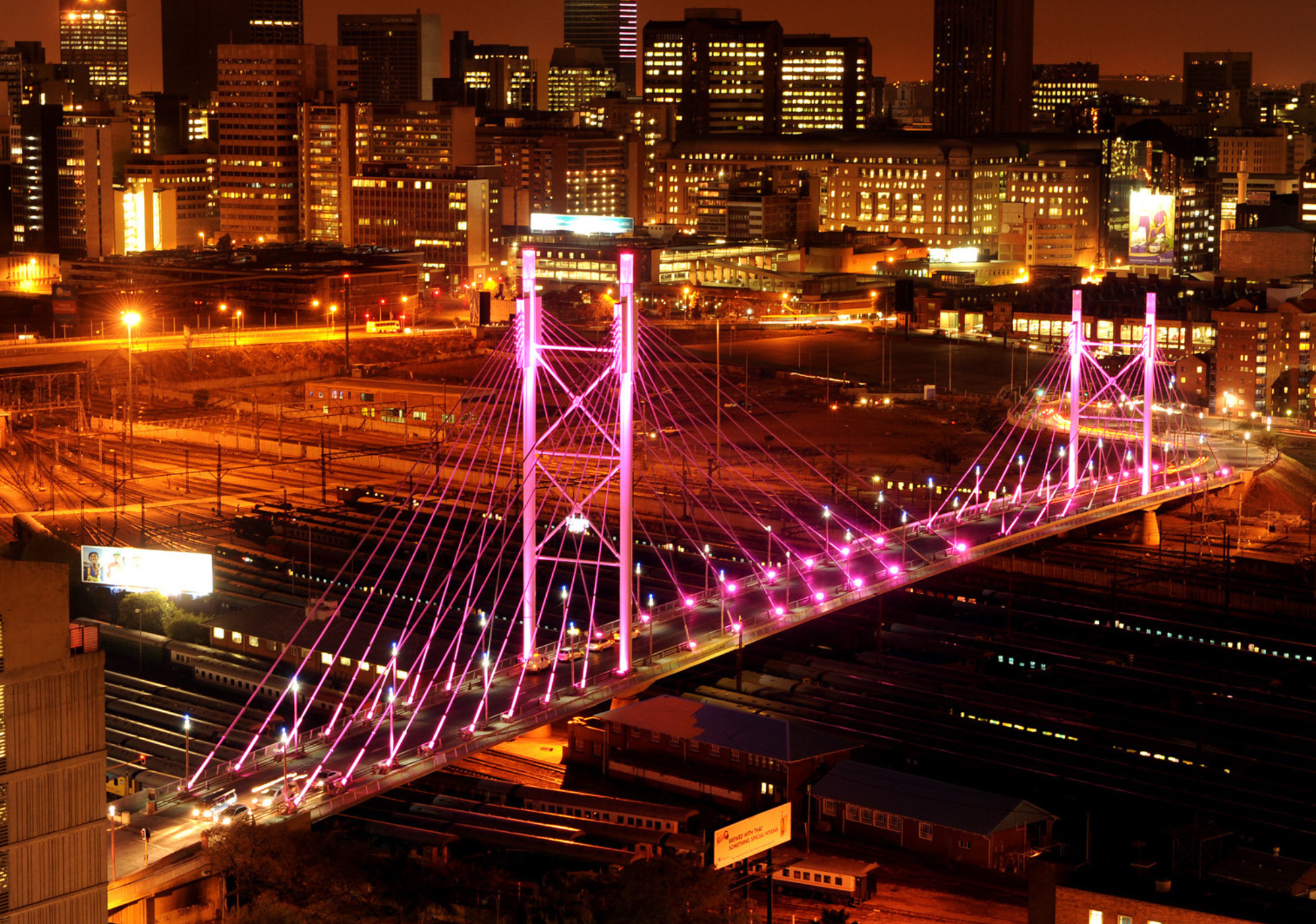
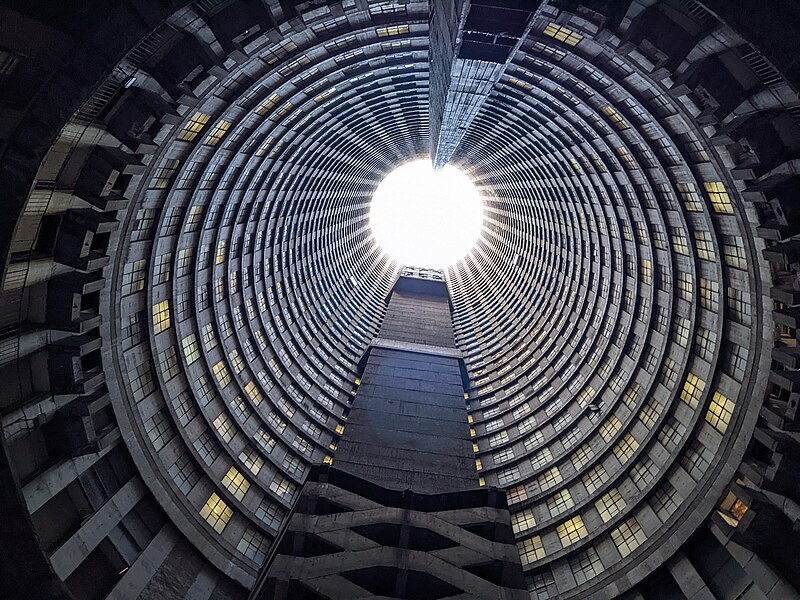
Visible from many parts of the city, this iconic architectural landmark anchors the surrounding food-rich districts. It offers a unique skyline perspective.
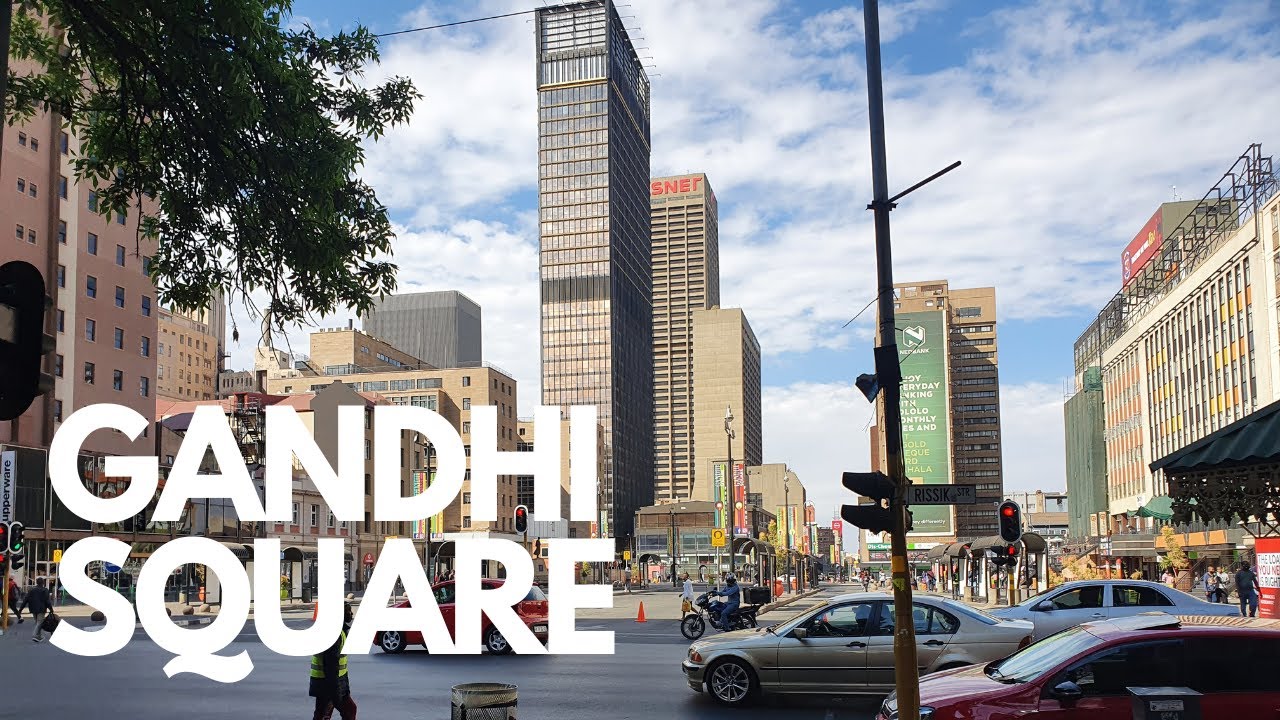
This central transit and commercial square provides a meeting point for many walking tours. It is surrounded by historical buildings.
You meet your guide at the Maboneng Precinct entrance at 9 AM, when morning light angles across graffitied warehouse walls and vendors are stacking crates of fresh produce. The first stop is a corner braai stand where a Zulu woman has been grilling boerewors since 1998.
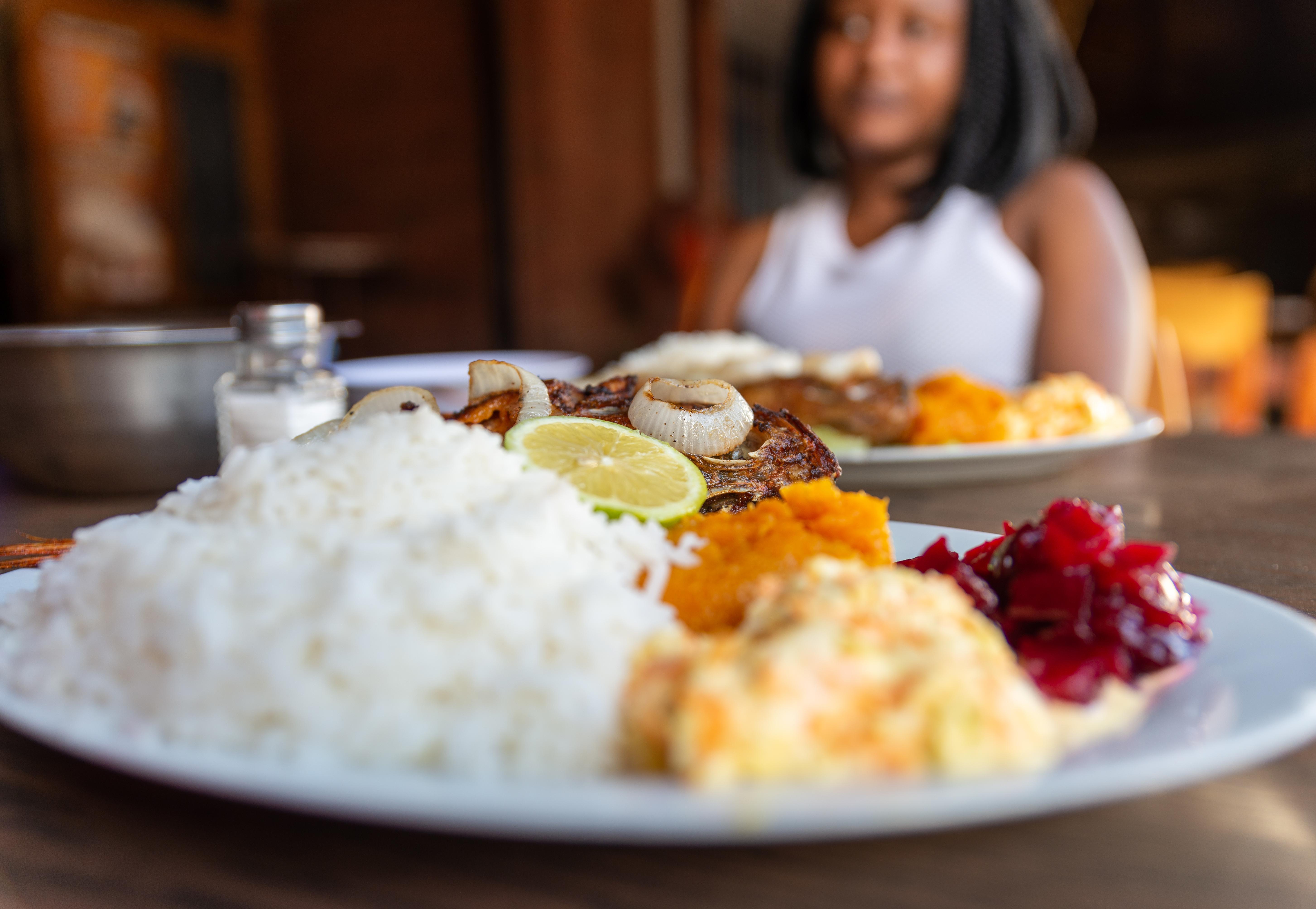
You taste a coil served in a split roll with tomato-and-onion relish, the meat still crackling from the flame. Your guide explains the spice ratio — coriander seed and clove — that distinguishes Durban-style sausage from Pretoria's version.
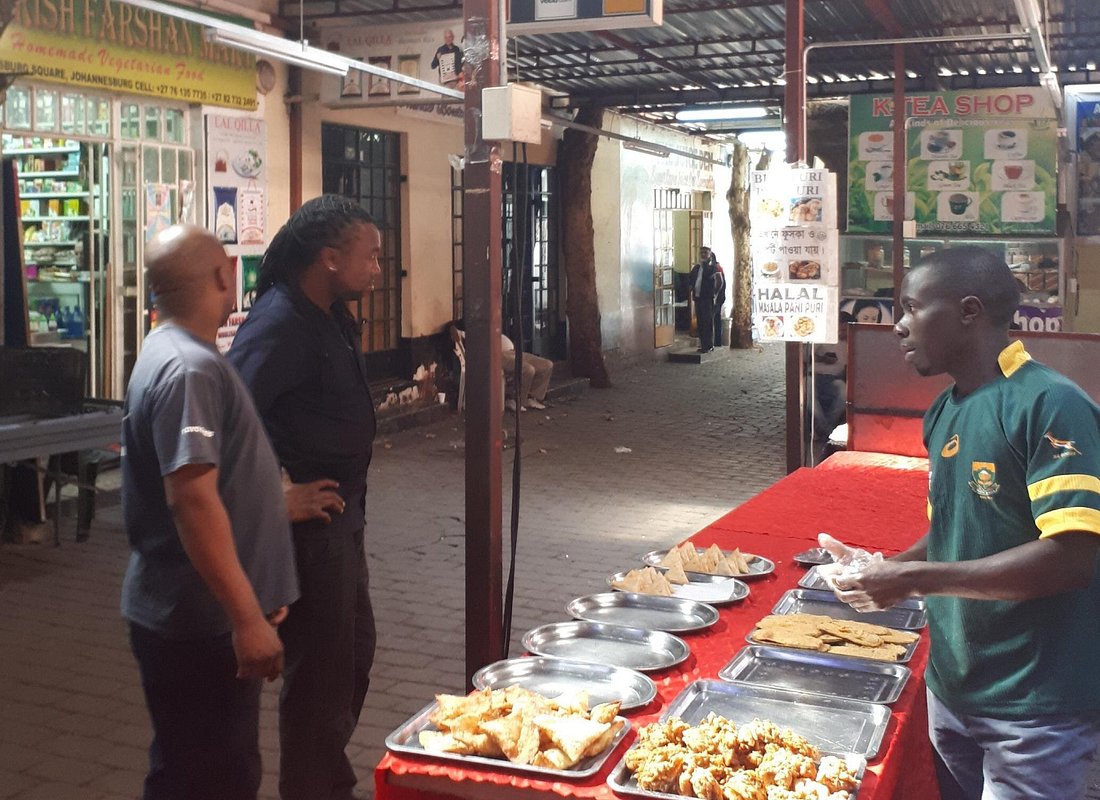
The route continues south into the CBD, where you navigate the Bree Street taxi rank, a sensory jolt of diesel fumes, megaphone announcements, and frying oil. A vendor hands you amagwinya straight from the vat, the dough golden and scalding. You eat it while walking, brushing sugar from your fingers. At the third stop, a Somali-run stall, you try sambusas filled with spiced mince, their pastry thinner and crisper than the amagwinya's yeast dough.
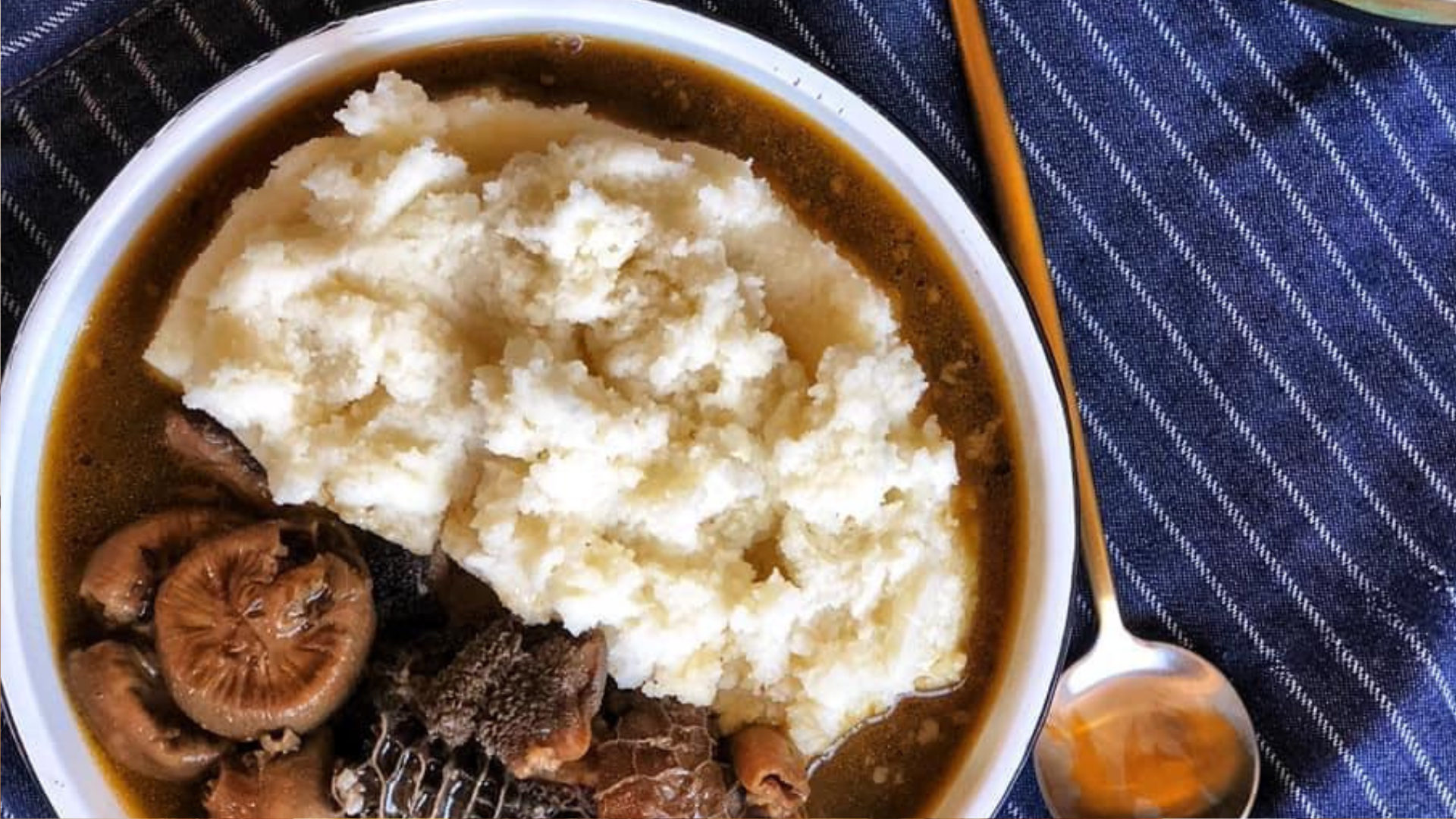
The tour concludes in Soweto at a shisa nyama grill house, where you sit at a communal table with other walkers. Platters arrive: pap, chakalaka, grilled chicken, and beef ribs. The guide pours a round of Soweto Gold, a local lager, and recounts the street's history while you eat. You leave at noon, full and sun-tired, carrying a printed recipe card for chakalaka.
All the details about your upcoming adventure in one place
Johannesburg's street food economy feeds two million commuters daily across 47 informal market zones, from the cab-rank braai stands of Bree Street to the shisa nyama corridors of Soweto.
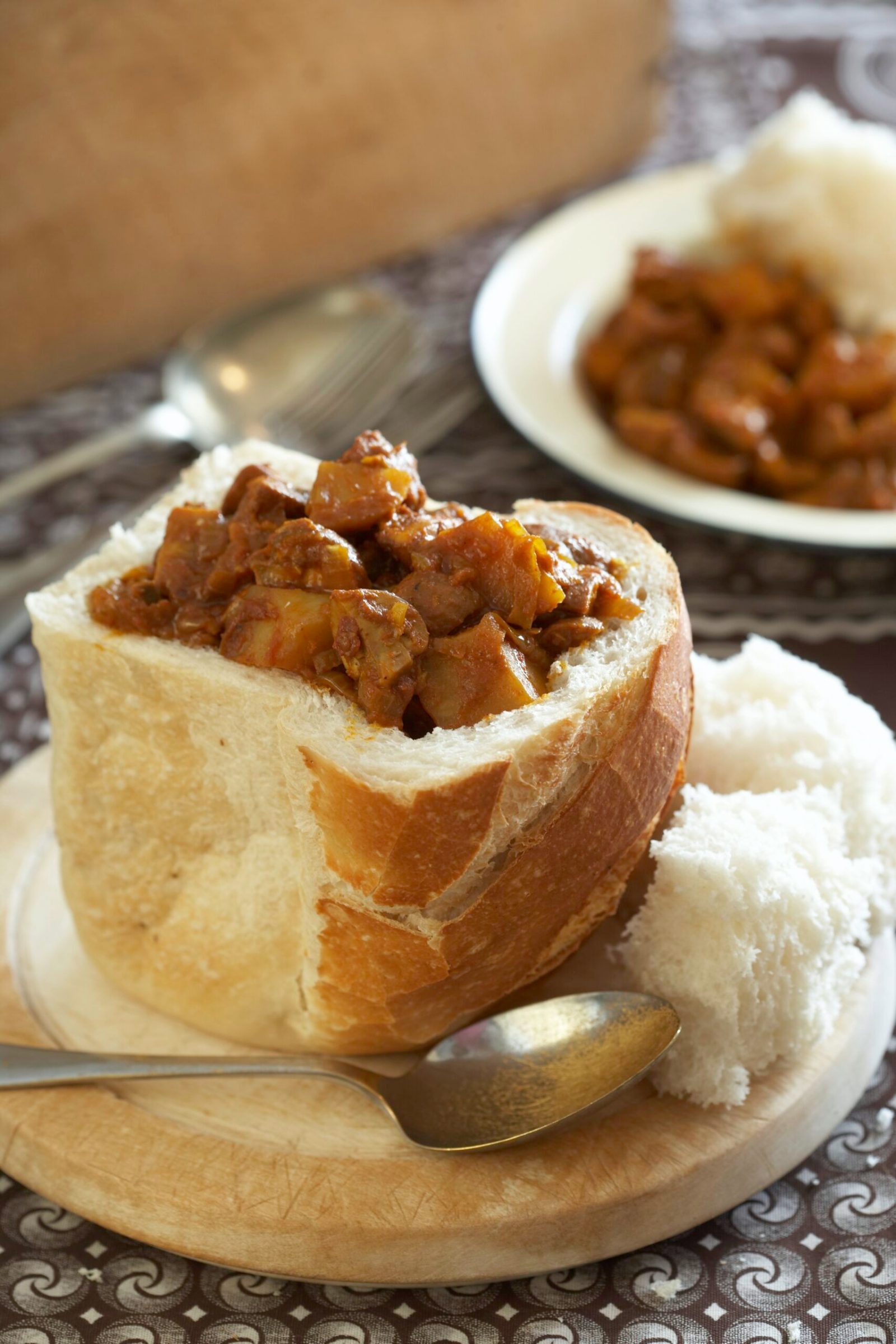
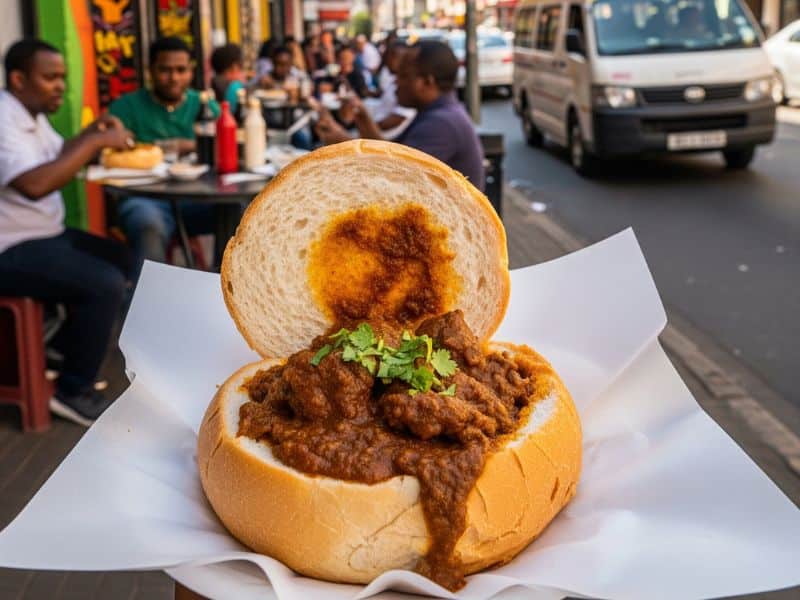
What began as survival commerce in the 1990s has evolved into a culinary index of South Africa's eleven official languages, each represented by vendors who bring recipes from Venda, Xhosa, Zulu, and Afrikaner traditions to a single block. A Johannesburg street food tour reveals this layered identity through bunny chow served in hollowed white bread, boerewors coils grilled over repurposed oil drums, and amagwinya — deep-fried dough balls — sold alongside Congolese beignets and Somali sambusas.
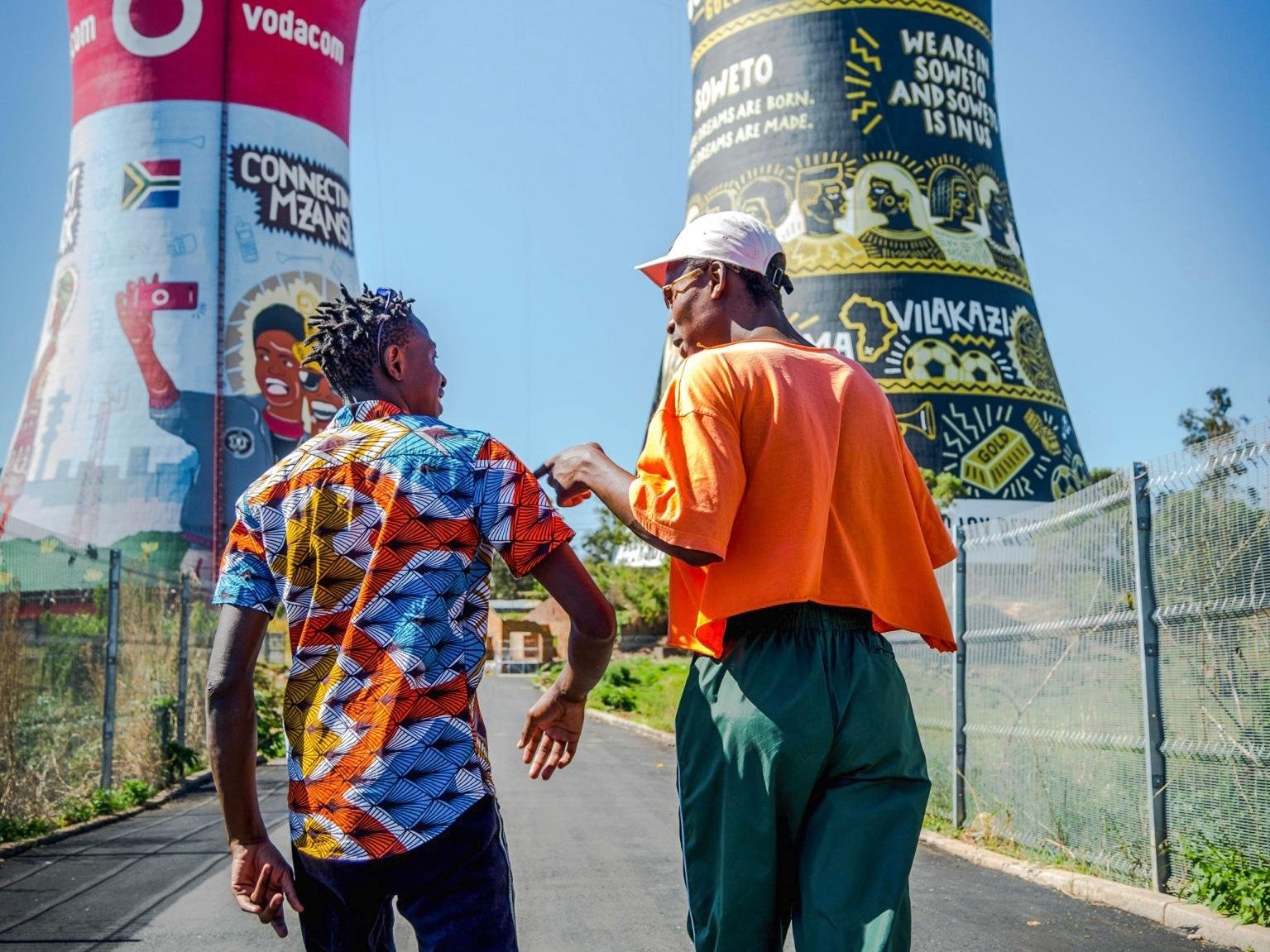
The city's food geography follows the grain of its social history. Maboneng's weekend food market occupies a former industrial precinct revitalized in 2009, where third-generation traders share counter space with migrant chefs testing fusion concepts. Soweto's Vilakazi Street, the only street in the world to claim two Nobel laureates as former residents, now anchors a cluster of taverns and grillhouses where walkers taste pap en vleis, samp and beans, and chakalaka relish prepared to neighborhood-specific recipes. The CBD's taxi-rank stalls operate on a 16-hour cycle, serving commuters from dawn through late-evening shifts, their menus dictated by what can be prepared fast and eaten standing.
Johannesburg street food tours operate as cultural primers, not restaurant crawls. Guides — often former township residents — decode the etiquette of shisa nyama (bring your own meat, buy the sides), explain why certain dishes appear only on pension-payout Fridays, and introduce walkers to vendors by name and backstory. The Soweto walking experience includes a sit-down meal in a family home, transforming the tour from sampling exercise into narrative immersion. Routes typically span three to five hours and cover two to four kilometers on foot, moving between neighborhoods by vehicle when distances exceed walkable thresholds.
The city's altitude (1,753 meters above sea level) and inland position yield a high-veld climate of intense sun and sudden afternoon storms. Most food vendors operate under awnings or corrugated shelters, but walking tours schedule around Johannesburg's predictable weather pattern: mornings start cool and dry, heat peaks between noon and 3 PM, and thunderstorms roll through in summer months (October through March). Tour operators include bottled water and shade breaks as standard protocol, recognizing that tasting six to eight dishes in equatorial sun demands hydration discipline.

Johannesburg's street food economy feeds two million commuters daily across 47 informal market zones.
Wear comfortable walking shoes suitable for urban environments and uneven pavement. Dressing in layers is recommended for changing weather conditions in Johannesburg.
Keep belongings secure and carry only essential items while navigating public spaces. It is advised to use cross-body bags to ensure safety in crowded areas.
Photography is generally permitted in public markets and street settings. Always ask for permission before taking close-up photos of vendors or their food stalls.
These tours are suitable for families, though children should remain close at all times. Be aware that some urban routes may involve significant walking distance.
Many markets in the city center have limited wheelchair accessibility due to historic architecture and uneven walkways. Verify specific route accessibility with your tour operator prior to booking.
The tour includes various tastings from local vendors. Outside food and drink are generally not permitted during the guided portion of the Johannesburg street food tour.
Operating Hours
00:00–23:59
Address
Johannesburg, Gauteng, South Africa
Accessibility
Varies by market vendor site
Best Window
09:00–17:00
Entrance Fee
0 ZAR
Private operators typically require cancellation at least 48 hours prior to the experience to receive a full refund. As Johannesburg street food tour experiences are private, policies may vary by provider.
Recommended time
3-5 hours
A typical johannesburg street food tour requires at least three to five hours to fully experience the local flavors and vibrant city landmarks. We recommend arriving within the 09:00–17:00 window to ensure maximum market accessibility and safer pedestrian conditions. While johannesburg street food tour tours often include curated tastings, those looking to explore additional culinary stalls may want to extend their visit. For those seeking johannesburg street food tour tickets, booking early helps secure your spot for a guided exploration of the downtown precinct.
Crowd levels through the day
Johannesburg's street food culture emerged from the migrant labor compounds of the early twentieth century, where workers from across Southern Africa pooled ingredients and cooking traditions. By the 1940s, informal vendors clustered near mine hostels and township taxi ranks, selling staples like pap, morogo, and offal. The apartheid Group Areas Act of 1950 criminalized most Black street trading in white-designated zones, pushing vendors into townships like Soweto and Alexandra, where they operated without permits or health oversight. The kota—a hollowed quarter-loaf filled with chips, processed meat, and achaar—originated in Soweto during the 1970s, born from necessity when factory shifts left little time for sit-down meals. By the 1980s, roadside braai stands proliferated along dusty avenues, serving boerewors rolls and vetkoek to commuters. Post-1994 deregulation allowed vendors to reclaim central business district corners, though municipal harassment remained routine until the 2010 FIFA World Cup prompted infrastructure upgrades and a brief tolerance for hawker culture. Gentrification reshaped the johannesburg street food tour landscape after 2012, when developers converted industrial Maboneng and Braamfontein warehouses into curated food markets. Neighbourgoods Market opened in 2006, followed by The Sheds in 2017, both charging stall fees that priced out traditional vendors. Today's tours navigate this bifurcated reality: township routes visit spaza shops and roadside grills where bunny chow and amagwinya still cost under twenty rand, while gentrified circuits showcase artisanal biltong and craft beer at triple the price. The original kota vendors persist in Alexandra and Diepsloot, their recipes unchanged, while Instagram-friendly versions appear on johannesburg street food tour tickets marketed to international visitors seeking sanitized authenticity.
Informal vendors cluster near mine compounds, selling pap and offal to migrant workers.
Group Areas Act criminalizes Black street trading in white zones, forcing vendors into townships.
The kota emerges in Soweto as a portable quarter-loaf meal for factory shifts.
Post-apartheid deregulation allows vendors to reclaim CBD corners, though enforcement remains uneven.
Neighbourgoods Market opens in Maboneng, signaling gentrification of street food into curated indoor spaces.
FIFA World Cup prompts municipal upgrades and temporary tolerance for hawker culture.
The Sheds food market launches in Braamfontein, charging stall fees that exclude traditional vendors.
Position yourself on the upper level overlooking the main hall to capture the vibrant atmosphere and diverse culinary stalls below. This vantage point provides a clear view of the bustling crowd and architectural details of the repurposed industrial space.
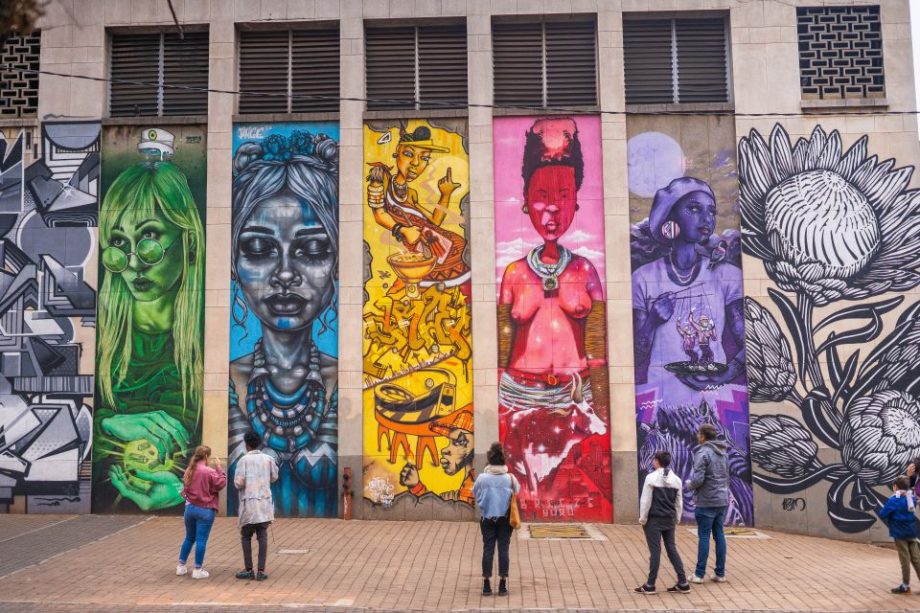
Stand at the intersection of Main and Kruger Streets to photograph the large-scale public art pieces that define this urban precinct. It serves as a classic backdrop for a johannesburg street food tour where street culture meets local cuisine.
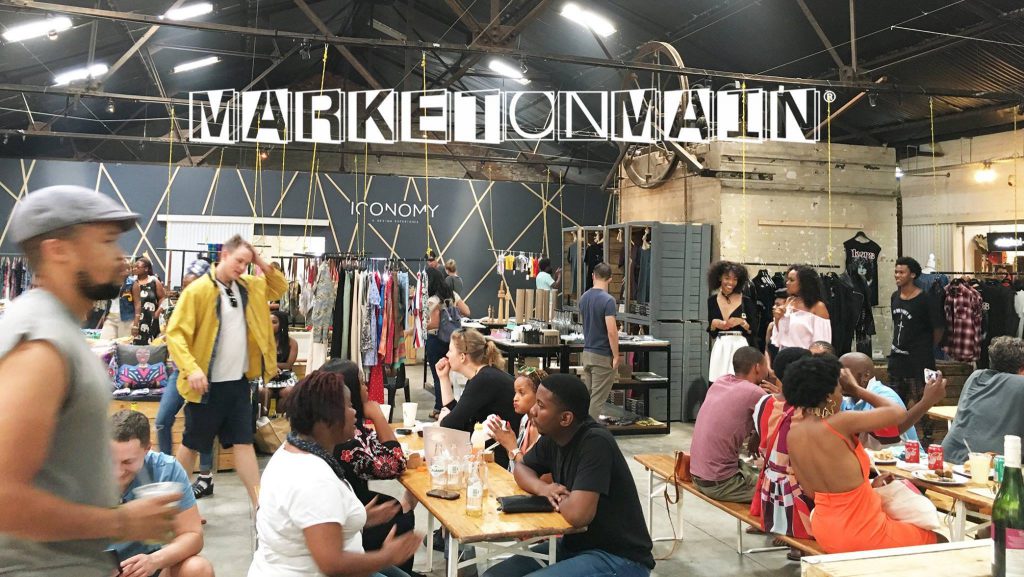
Frame your shot from the ground level looking toward the center of the courtyard to capture the interaction between vendors and patrons. This spot is ideal for documenting the community spirit found during johannesburg street food tour tours.
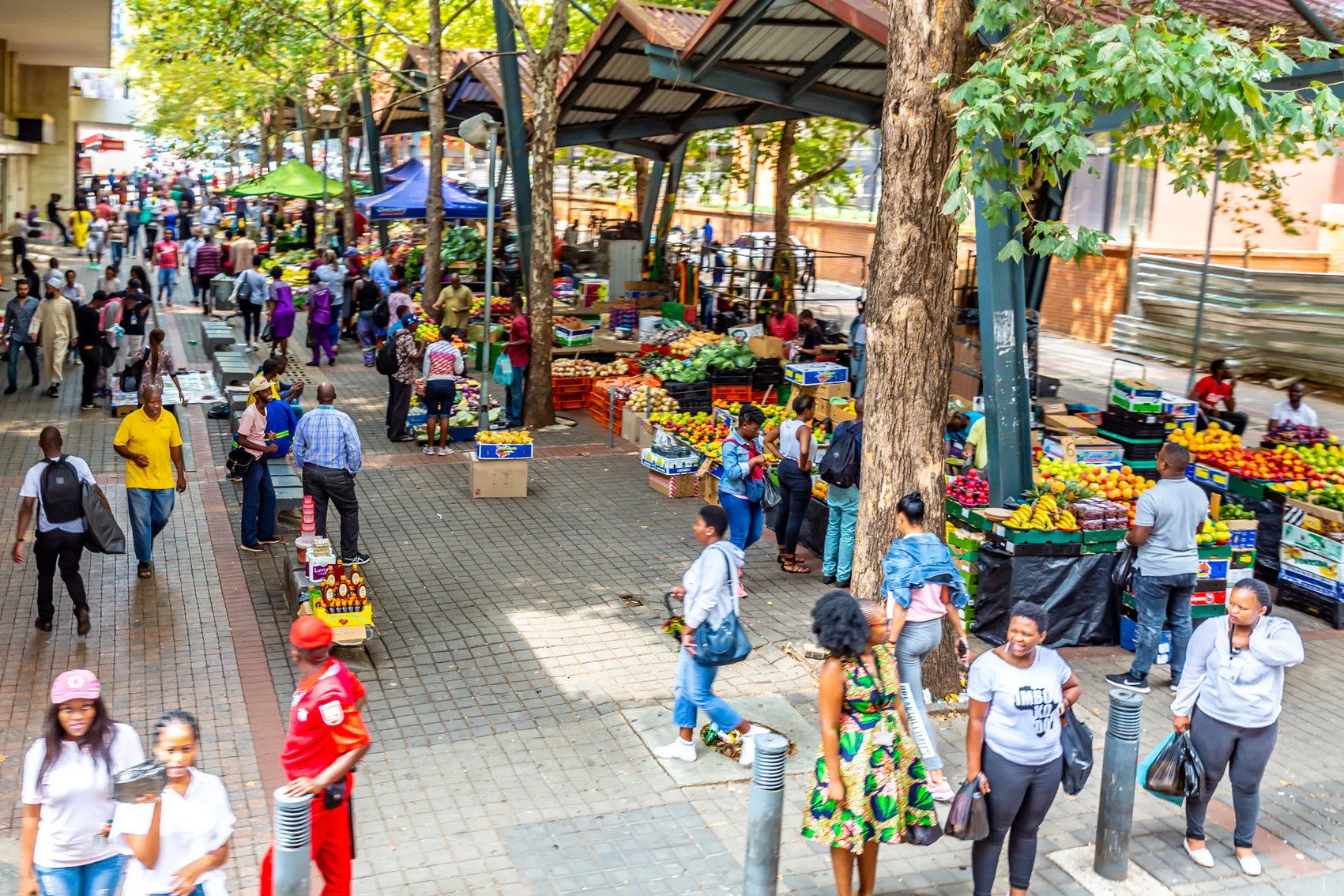
Capture the dense arrangement of sidewalk eateries and the interplay of light between the tall city buildings from the center of the walkway. This area is a highlight for those booking johannesburg street food tour tickets to document authentic urban dining.
Find a stable position near the street-level vendor carts to photograph close-ups of traditional snacks like bunny chow or kota. These shots emphasize the textures and preparation methods common in the region.
Exploring the city's culinary landscape on a johannesburg street food tour offers families a chance to taste diverse local flavors together. Navigating these vibrant urban spaces requires mindful preparation to ensure a smooth experience for all ages.
Most routes involve uneven pavements and busy sidewalks, so compact, collapsible strollers are more practical than large jogging models. Some bustling market corridors may be difficult to navigate with a pram, so consider a baby carrier for younger infants during your johannesburg street food tour tours.
School-aged children who can handle a moderate amount of walking will get the most out of the experience. Younger children may tire easily, making a private johannesburg street food tour tour a better option for a customizable pace.
Public restroom access is limited while walking, so plan to use facilities at established markets or restaurants before starting. Always carry hand sanitizer and wet wipes as many authentic street-side vendors do not have dedicated washbasins for patrons.
Street food options vary widely in spice levels and ingredients, so checking menus ahead of time is recommended for picky eaters. You can purchase specific johannesburg street food tour tickets that cater to families, ensuring your guide can suggest child-friendly bites throughout the route.
Exploring the diverse culinary landscape near a johannesburg street food tour reveals vibrant hubs like Maboneng and Braamfontein. Visitors can easily access these local gastronomic centers after completing their johannesburg street food tour tours.
Located in Maboneng, this venue serves traditional township cuisine with live jazz. It is ideal for those seeking authentic flavors in a lively atmosphere after their johannesburg street food tour tour.
Everything you need to know for your journey
The Johannesburg street food tour operators typically schedule tours between 09:00 and 17:00, though the city infrastructure is technically open 00:00–23:59.
No, the entrance fee is 0 ZAR, but private commercial Johannesburg street food tour experiences require their own booking fees.
The optimal time for market accessibility and street safety is between 09:00 and 17:00.
Yes, families are welcome on most Johannesburg street food tour itineraries, but please check operator age restrictions.
Accessibility for a Johannesburg street food tour varies by market; please confirm specific requirements with your guide.
You can secure Johannesburg street food tour tickets through our live inventory grid on this page.
Bring comfortable shoes, water, and your camera for a Johannesburg street food tour.
Yes, you may photograph the food and markets during your Johannesburg street food tour.
The tours take place throughout Johannesburg, Gauteng, South Africa.
Cancellations for a Johannesburg street food tour are subject to the specific provider's policy, usually requiring 48 hours notice.
Join thousands of happy travelers who have discovered this incredible experience
Book Your Experience Now